That diagnostic approach matters because heat pumps are more than outdoor air conditioners running backward. A part can be working well enough to avoid a complete shutdown while still causing high energy use and uneven comfort.
What Does a Handyman Legally Do in Idaho?

A loose cabinet hinge and a dripping faucet may look like simple maintenance. A sparking outlet, failed furnace, or cross-connection in an irrigation system is different. What does a handyman legally do in Idaho? The answer depends less on the word “handyman” and more on the actual work being performed, whether a permit is required, and whether the work falls under a licensed trade.
For homeowners and property managers, the goal is not to memorize every rule. It is to know when a routine repair is appropriate for general maintenance and when hiring a licensed, insured professional protects your property, tenants, and budget.
What Does a Handyman Legally Do?
A handyman can generally perform ordinary, non-regulated repair and maintenance work that does not require a trade license, permit, or specialized certification. This often includes work such as repairing doors and trim, hanging shelves, patching drywall, replacing hardware, adjusting gates, installing blinds, assembling fixtures, painting, caulking, and addressing minor exterior repairs.
These jobs are valuable because small problems tend to grow when they are ignored. A damaged weatherstrip can lead to moisture intrusion. A sticking door can become a security concern. Loose handrails, worn caulk, and damaged fencing can create liability issues at a rental property. General maintenance helps keep a home safe, functional, and presentable without calling a separate specialist for every small task.
The legal line is reached when the job changes a building system, affects health and safety, requires an inspection, or is reserved for a licensed professional. Calling a project a “small repair” does not change its legal requirements.
When a Handyman Should Not Work Alone
Idaho does not treat every repair the same way, and requirements can also vary by city, county, property type, and permit jurisdiction. In Boise and surrounding communities, a responsible service provider evaluates the scope before starting rather than assuming every request falls under general handyman work.
A handyman should not independently perform regulated work unless they hold the required credentials or are working under the proper licensed contractor arrangement. The most common examples are:
- Electrical work, including adding circuits, altering wiring, replacing panels, or making electrical connections that require a licensed electrician and, often, a permit.
- Plumbing work, particularly changes to water supply lines, drain systems, gas piping, or plumbing fixtures where code-compliant installation is required.
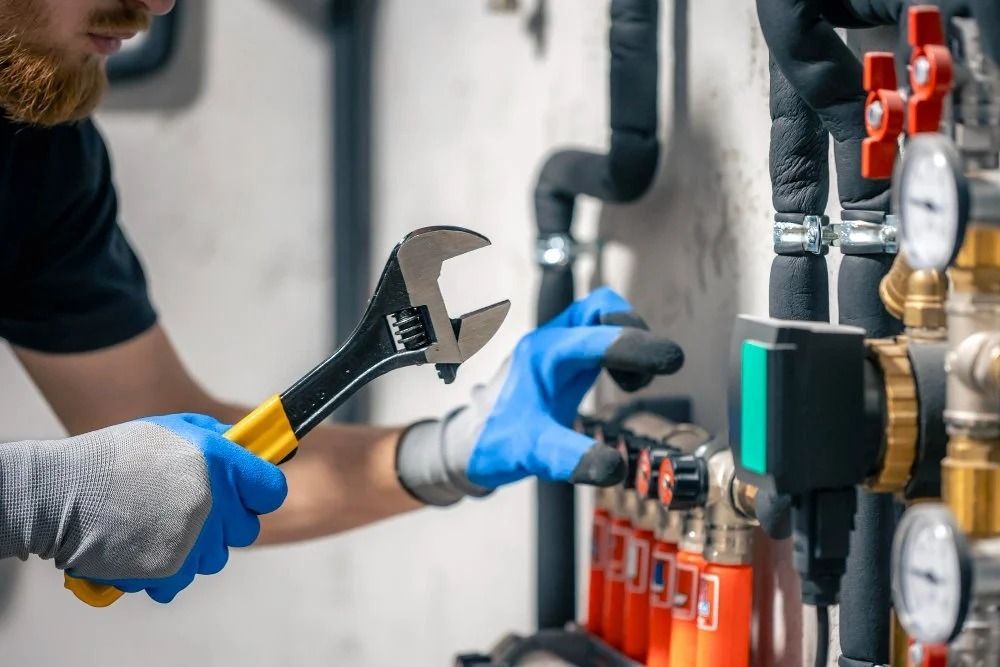
- HVAC work involving furnaces, air conditioners, refrigerant, gas connections, duct modifications, or equipment replacement.
- Backflow testing, repair, or installation when the work requires a certified backflow tester or other qualified professional.
- Structural work, such as altering load-bearing walls, framing significant additions, or making changes that require plans, permits, or inspections.
There can be gray areas. Replacing a worn faucet washer is not the same as relocating water lines. Changing a furnace filter is not the same as diagnosing a gas-fired heating system. Replacing a light bulb is not the same as installing a new fixture or extending wiring. The safest approach is to ask what system is being affected and whether the work will need a permit or inspection.
Licensing, Registration, and Permits Are Different Things
These terms are often used interchangeably, but they serve different purposes.
A trade license shows that an individual or contractor meets state requirements to perform regulated work in a particular field, such as electrical, plumbing, or HVAC. Licensing requirements are designed to protect people and property from unsafe installations, fire hazards, gas leaks, water damage, and code violations.
Contractor registration is separate from trade licensing. Depending on the work being performed and the business arrangement, a contractor may need to be registered in Idaho. Registration does not give someone authority to perform electrical, plumbing, mechanical, or other work that requires a specific license.
A permit is project-specific approval from the authority with jurisdiction. A properly licensed contractor may still need to pull a permit for work such as equipment replacement, wiring changes, major alterations, or other code-regulated projects. Permits create a record of the work and may require inspection before walls are closed or systems are placed into service.
For a homeowner, the practical point is simple: do not assume that a contractor’s business card, insurance certificate, or online reviews answer every compliance question. Ask whether the proposed work requires a license, permit, inspection, or specialty certification.
Why the Legal Scope Matters to Property Owners
The wrong contractor can create a problem that costs far more than the original repair. Improper electrical work can create a fire risk. Unpermitted mechanical work may fail an inspection when you sell the property. A poorly installed irrigation backflow device can put the water supply at risk. For landlords, unsafe or noncompliant repairs can also create tenant complaints, emergency calls, and avoidable liability.
Insurance is another consideration. If a loss occurs, documentation matters. A clear scope of work, proper invoices, permits when required, and work performed by qualified professionals can make a major difference when you need to show that the repair was handled responsibly.
There is also a value issue. A handyman who takes on work outside their qualifications may offer a lower price upfront, but that price does not account for the cost of correcting failed work later. A qualified provider may recommend a more limited repair when that is appropriate, or explain why a larger issue needs a licensed trade. That is not upselling. It is the difference between treating a symptom and correcting the cause.
Questions to Ask Before You Hire
Before approving a repair, describe the problem clearly and ask whether the work will affect electrical, plumbing, HVAC, gas, structural, sprinkler, or backflow systems. If the answer is yes, ask who will perform that portion of the work and what license or certification applies.
You should also ask whether a permit is needed, who will obtain it, and whether inspection costs are included in the quote. For rental properties, confirm that the provider can document the work performed and communicate clearly about access, tenant coordination, and any safety concerns found during the visit.
A dependable contractor should be comfortable answering these questions. If someone dismisses permits as unnecessary without first understanding the project, offers to do licensed work “off the books,” or cannot explain their qualifications, treat that as a warning sign.
A Better Approach for Multi-Trade Repairs
Many property issues do not fit neatly into one category. A bathroom exhaust fan problem may involve ventilation, electrical connections, roof penetration, and drywall repair. A sprinkler issue may lead to questions about backflow protection, shutoff valves, and freeze prevention. A furnace concern may begin as maintenance but reveal a gas, electrical, or condensate drainage issue.
That is where a multi-trade provider can reduce stress. Instead of coordinating several companies and trying to determine who owns the problem, property owners can start with one accountable team that identifies the scope and brings in the properly qualified professional when the repair crosses into regulated work.
M Property Services takes this approach by combining general property maintenance with licensed, insured, code-conscious services. The right solution is not always the biggest repair. It is the repair completed by the right person, with the right qualifications, for the actual condition of the property.
Common Questions About Handyman Work in Idaho
Can a handyman replace an outlet or light fixture?
It depends on the exact work and applicable requirements. Electrical work can be regulated even when the task appears small. If wiring, connections, grounding, circuit capacity, or a permit are involved, use a qualified electrical professional. Do not assume a simple-looking fixture replacement is automatically handyman work.
Can a handyman work on a furnace or air conditioner?
Routine tasks such as changing filters or basic cleaning may be part of ordinary property maintenance. Diagnosis, repair, installation, refrigerant handling, gas connections, and equipment replacement should be handled by properly licensed HVAC professionals.
Can a handyman test a backflow device?
Backflow testing requires the appropriate certification. Since backflow prevention protects the public water supply, it is not a task to hand to an unqualified repair person.
When you are unsure, pause before authorizing the work. A quick question about licensing and permits is easier than correcting an unsafe repair, dealing with failed inspections, or explaining undocumented work after a property sale. The right contractor will help you make that call clearly and without pressure.