That diagnostic approach matters because heat pumps are more than outdoor air conditioners running backward. A part can be working well enough to avoid a complete shutdown while still causing high energy use and uneven comfort.
How to Maintain Rental Homes Without Surprises
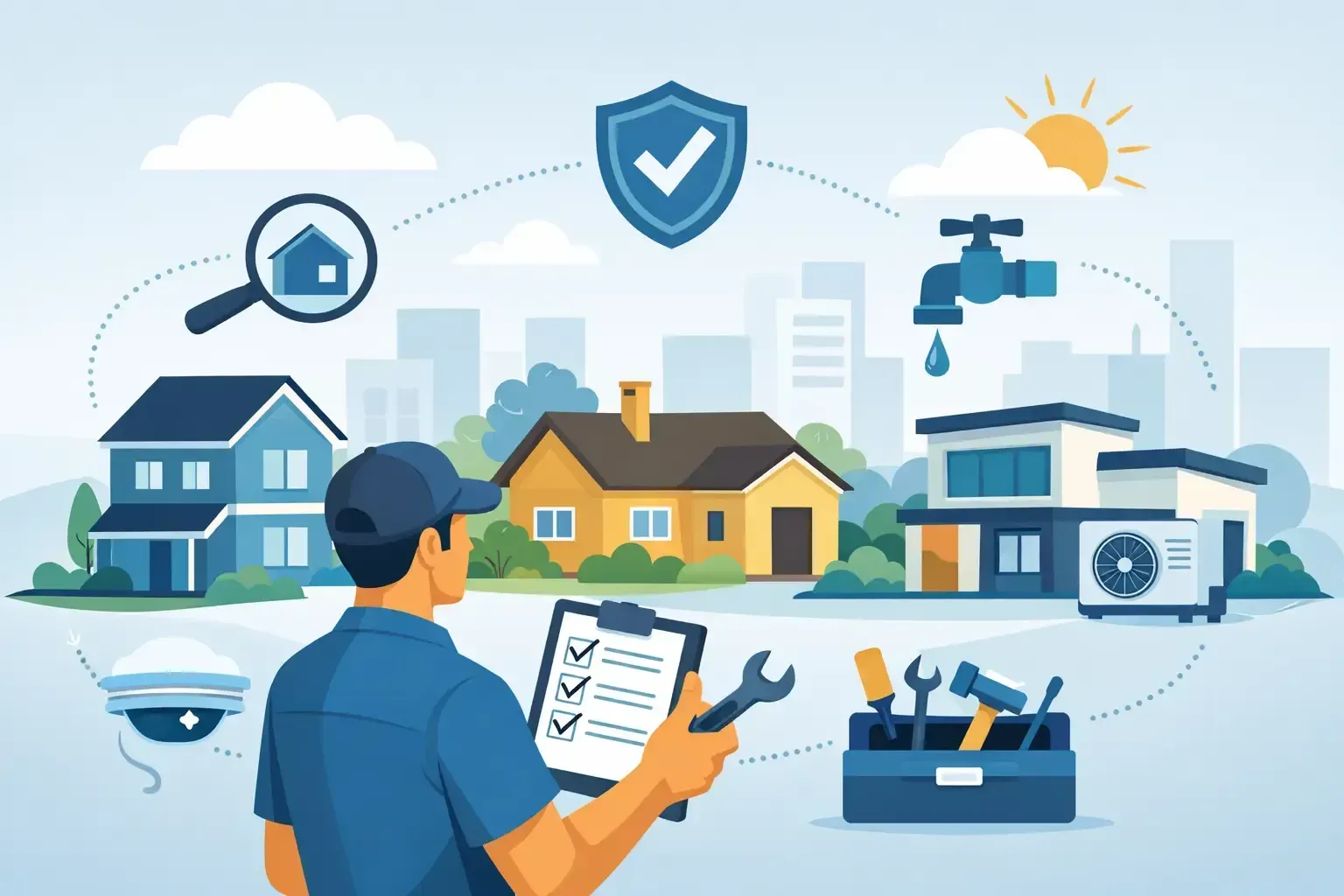
A rental home rarely fails all at once. It usually sends small warnings first: a slow bathroom fan, an HVAC filter left unchanged, a loose handrail, a sprinkler valve that does not fully shut off. Knowing how to maintain rental homes means catching those small issues before they become a vacant unit, an emergency call, or a frustrated tenant.
For landlords and property managers, maintenance is not just an expense line. It protects the property’s condition, supports tenant retention, reduces liability, and makes budgeting more predictable. The most effective approach is simple: establish a schedule, document the work, respond quickly to real concerns, and bring in qualified professionals when safety, code, or specialized systems are involved.
Build a Rental Maintenance Plan Before Problems Start
Reactive maintenance costs more because it usually happens at the worst possible time. A furnace that quits during a cold Boise-area night, a leaking supply line during a tenant’s workday, or an electrical issue that affects a kitchen outlet cannot wait for a convenient opening on the calendar.
Start with a written maintenance plan for every property. It does not need to be complicated, but it should identify the major systems in the home, their approximate ages, prior repairs, warranties, and the dates of routine service. Include HVAC equipment, water heaters, electrical panels, smoke and carbon monoxide alarms, plumbing fixtures, roofing, gutters, appliances, doors, windows, and irrigation components.
A good plan also separates three types of work. Routine maintenance includes filter changes and seasonal inspections. Corrective repairs address an issue that has already appeared, such as a dripping faucet or damaged fence gate. Capital replacements are larger planned expenses, such as a roof, HVAC unit, or water heater nearing the end of its useful life. Keeping those categories separate makes it easier to see where the money is going and avoid treating every repair as an unexpected emergency.
Inspect Between Tenancies and During Occupancy
The turnover inspection is one of the best opportunities to protect a rental home. With the unit empty, you can test systems, look behind appliances, inspect caulking, identify moisture damage, and complete repairs without disrupting a tenant. Take dated photos and use the same inspection checklist every time so one property is not assessed more loosely than another.
During an occupied lease, periodic inspections are still valuable when handled professionally and in accordance with lease terms and applicable notice requirements. The goal is not to intrude. It is to identify conditions tenants may not recognize as serious, such as a minor leak under a sink, a failing bathroom exhaust fan, overloaded outlets, or water pooling near the foundation.
Ask tenants to report maintenance concerns early and give them a clear method for doing so. A tenant who knows whom to call is more likely to report a problem before it causes damage. Be specific about emergencies: active water leaks, loss of heat in cold weather, electrical burning smells, sparking outlets, gas odors, and sewage backups need prompt attention.
Keep HVAC, Plumbing, and Electrical Systems on Schedule
The most expensive systems in a rental home deserve routine attention. HVAC maintenance should generally be scheduled before heating and cooling seasons. Replace filters on a regular schedule appropriate for the equipment and tenancy, inspect the system’s operation, clear accessible debris around outdoor equipment, and address unusual noises or inconsistent temperatures before peak demand.
A clean filter is not a complete HVAC service. Professional maintenance can identify worn components, drainage issues, airflow concerns, and safety problems that are easy to miss. It also helps a landlord plan for replacement rather than being forced into a rushed decision when equipment fails.
Plumbing maintenance starts with watching for water. Check under sinks, around toilets, behind washing machines, at water heaters, and near exterior hose connections. Small leaks can lead to cabinet damage, flooring problems, mold concerns, and higher utility bills. Water heaters should be monitored for corrosion, leaks, and age-related performance issues. If a property has older shutoff valves or supply lines, replacing them proactively may be less costly than handling a failure after hours.
Electrical work requires extra caution. Test smoke and carbon monoxide alarms regularly, replace aging or damaged devices, and inspect outlets, switches, and fixtures for signs of heat damage or poor operation. Tripping breakers, warm outlets, flickering lights, or repeated extension-cord use are not issues to ignore. Licensed electrical service is the right choice when a repair involves wiring, panels, circuits, or code-sensitive upgrades.
How to Maintain Rental Homes Through Idaho’s Seasons
Seasonal maintenance matters in the Treasure Valley because weather changes put different parts of a home under stress. A simple calendar prevents essential work from being pushed aside until it becomes urgent.
- In spring, inspect roof and gutter drainage, check exterior caulking, test irrigation controls, and look for winter-related damage to walkways, fences, and siding.
- In summer, service cooling equipment, watch for irrigation leaks, trim vegetation away from equipment, and check that bathroom and kitchen ventilation is working properly.
- In fall, prepare heating systems, winterize sprinkler systems, inspect weatherstripping, clean gutters as needed, and confirm exterior lighting is functional.
- In winter, monitor for frozen-pipe risks, ice-related drainage concerns, heating issues, and moisture around windows, doors, and attic areas.
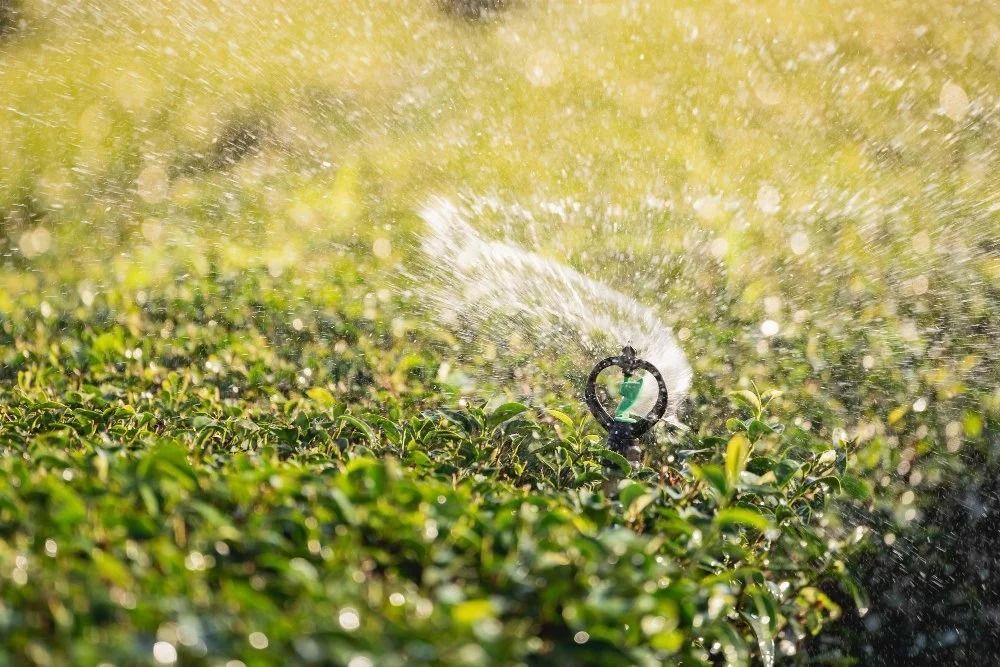
Sprinkler and backflow service deserve particular attention. A poorly winterized irrigation system can suffer freeze damage that is not discovered until spring. Backflow assemblies may also have testing requirements depending on the property and local water provider. This is a regulated service, not simply a homeowner chore, so use a qualified provider who understands the applicable requirements.
Set Clear Tenant Responsibilities Without Shifting Essential Repairs
A well-written lease should explain what tenants are expected to handle, such as replacing standard HVAC filters if that is your policy, keeping the property reasonably clean, promptly reporting leaks, using bathroom fans, and protecting exterior hose connections when instructed. It should also make clear which items remain the owner’s responsibility.
The balance matters. Tenants should not be asked to diagnose technical problems or perform repairs that affect safety, plumbing, electrical systems, heating, or code compliance. They should be encouraged to report the issue, not attempt a workaround that could make it worse.
At move-in, provide a short property guide with the location of shutoff valves, electrical panel, filters, trash procedures, thermostat basics, and emergency contact instructions. This reduces avoidable calls while helping tenants respond appropriately when something genuinely needs immediate attention.
Use Qualified Help for Specialized and Safety-Critical Work
There is a place for basic handyman work: adjusting doors, repairing trim, replacing hardware, touching up caulk, and handling minor wear-and-tear items. But a rental owner should know where the line is.
Electrical repairs, HVAC service, water-heater issues, backflow testing, and work involving permits or code requirements often call for licensed and insured professionals. The lowest quote is not always the lowest cost if work must be redone, fails inspection, creates a safety concern, or leaves you without a clear record of what was completed.
For owners managing homes across Boise, Meridian, Eagle, Kuna, or Nampa, a multi-trade provider can simplify coordination. M Property Services offers one point of contact for electrical, HVAC, handyman, sprinkler, and backflow needs, which can be especially useful when a property has several small issues that need to be addressed correctly in one visit.
Keep Records That Help You Make Better Decisions
Maintenance records are useful long after the invoice is paid. Save inspection notes, tenant-reported issues, photos, service dates, estimates, invoices, warranty information, and details about replacement parts or equipment models. Organize records by property and system so they are easy to find during a turnover, sale, insurance claim, or dispute.
Over time, those records reveal patterns. If the same drain clogs repeatedly, the issue may be a plumbing condition rather than tenant behavior. If one HVAC unit needs frequent repairs, replacement may be the more responsible financial choice. If a certain property develops moisture issues each winter, you can investigate insulation, ventilation, drainage, or window performance before damage spreads.
Rental maintenance works best when it is steady and visible. Tenants notice when repairs are handled promptly, systems work as expected, and communication is clear. That consistency protects more than the house - it protects the working relationship that keeps a rental property stable.