That diagnostic approach matters because heat pumps are more than outdoor air conditioners running backward. A part can be working well enough to avoid a complete shutdown while still causing high energy use and uneven comfort.
If your irrigation system is due for testing, treat the appointment as a practical part of spring property care. A properly tested assembly gives you one less thing to worry about when it is time to turn the water on and enjoy the season.
Why Is My AC Short Cycling? Causes and Fixes
July 26, 2026
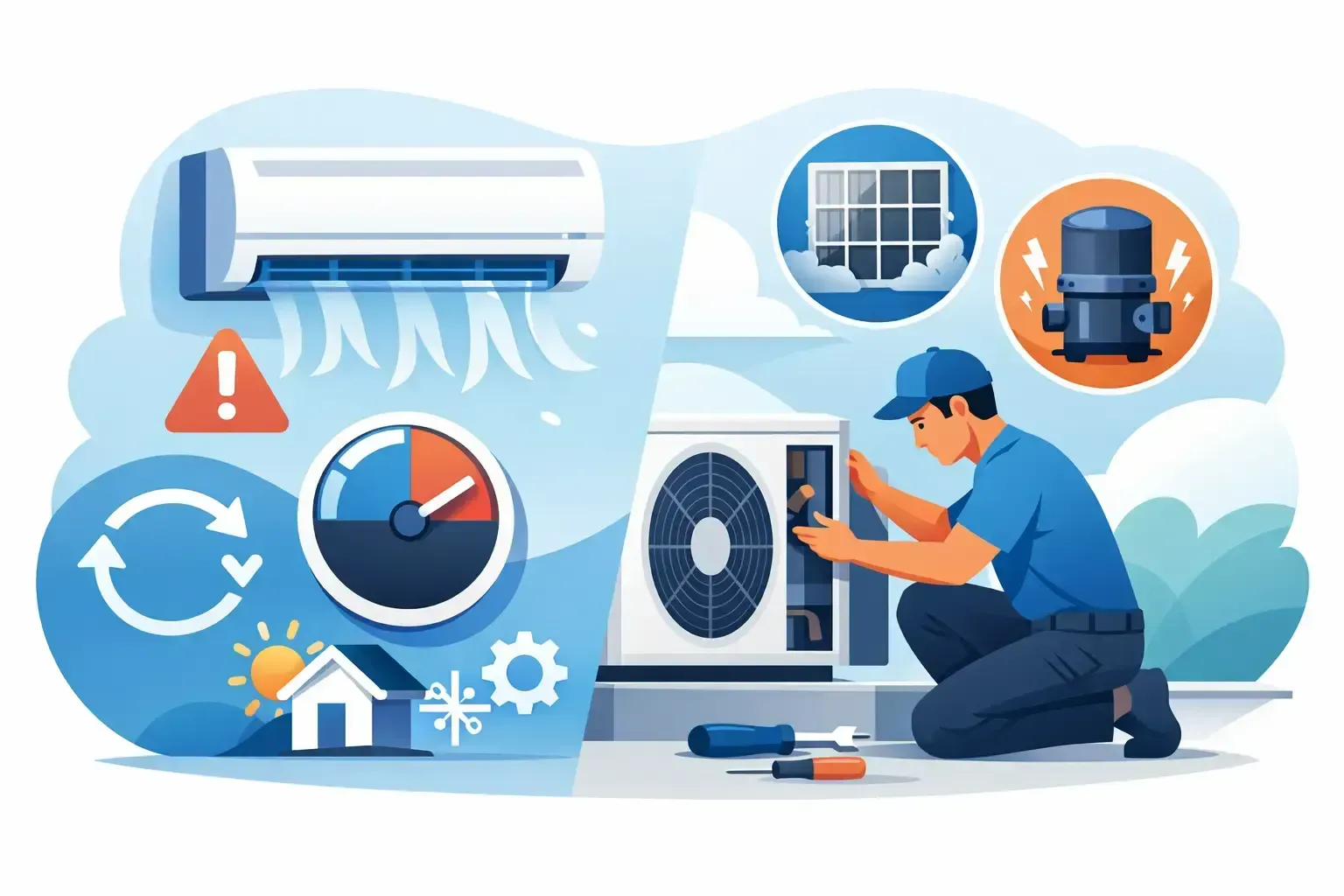
Your air conditioner starts, runs for a few minutes, shuts off, then starts again before the house feels comfortable. If you are asking, "why is my AC short cycling," you are right to pay attention. This stop-and-start pattern wastes energy, leaves rooms unevenly cooled, adds wear to expensive components, and can turn a manageable repair into a full system failure if it is ignored.
A normal AC cycle often runs for roughly 10 to 20 minutes during hot weather, though the exact runtime depends on outdoor temperature, insulation, thermostat settings, and your home’s cooling load. Short cycling means the system is shutting down much sooner than it should and repeatedly trying again. Some causes are simple homeowner checks. Others involve electrical components, refrigerant, or airflow problems that need a qualified HVAC technician.
Why Is My AC Short Cycling?
Your air conditioner has several safety controls designed to shut it down when something is wrong. Short cycling can happen when one of those controls detects overheating, frozen components, abnormal pressure, or an electrical issue. It can also happen when the thermostat receives inaccurate information and tells the system the home has reached the target temperature when it has not.
The key is not to assume every short cycle has the same cause. A clogged filter and a failing compressor can produce similar symptoms from the living room, but the repair, cost, and urgency are very different.
A dirty air filter is restricting airflow
A plugged filter is one of the most common causes of AC problems, especially during a hot Boise summer when the system runs often. When airflow is restricted, the indoor coil may get too cold and freeze, or the equipment may overheat and trip a safety switch. Either condition can cause the system to shut down early.
Check the filter first. If it looks gray, matted with dust, or overdue for replacement, install the correct size and type recommended for your system. Avoid using an overly restrictive filter if your HVAC system was not designed for it. High-filtration filters can be useful, but they can also reduce airflow when they are not changed regularly.
Also make sure supply vents are open and return vents are not blocked by furniture, rugs, or boxes. Closing too many vents to force more air into one room can create airflow problems elsewhere in the system.
The thermostat may be reading the room incorrectly
A thermostat placed near a sunny window, kitchen, fireplace, lamp, television, or supply vent can sense heat or cool air that does not represent the rest of the house. It may shut the AC off too soon, then call for cooling again when the temperature changes.
Low thermostat batteries, loose wiring, or a malfunctioning thermostat can cause similar behavior. Before assuming the thermostat has failed, confirm it is set to Cool, the fan is set to Auto, and the temperature setting is several degrees below the current room temperature. Replace batteries if your model uses them.
If the thermostat is in a poor location, moving it may help, but thermostat wiring should be handled carefully. Incorrect wiring can damage equipment or create a safety concern.
The outdoor condenser is dirty or obstructed
The outdoor unit releases the heat removed from your home. When its coil is coated with dirt, grass clippings, cottonwood debris, or leaves, heat cannot escape efficiently. The system can overheat or develop high operating pressure, causing it to shut down on a safety limit.
Turn off power to the unit before inspecting it. Clear leaves, branches, and loose debris from around the condenser, leaving open space for airflow. Do not push a hose nozzle into the coil fins or use a pressure washer. Those thin fins bend easily, and a damaged coil can reduce performance further.
A light surface rinse may be appropriate in some cases, but a heavily soiled unit often needs professional cleaning. A technician can clean the coil properly, inspect the fan motor and capacitor, and confirm the system is operating within safe pressure and temperature ranges.
Refrigerant problems can trigger short cycling
Your AC does not use up refrigerant like a car uses fuel. If the refrigerant charge is low, there is usually a leak. Low refrigerant can cause the indoor coil to freeze and may make the compressor cycle on and off under abnormal conditions.
Signs that point toward a refrigerant issue include weak airflow, air that is not very cold, ice on the copper refrigerant line or indoor equipment, hissing sounds, and a noticeable drop in cooling performance. Do not scrape ice from the coil or keep running the AC in hopes that it will clear itself. Turn the system off at the thermostat and let it thaw if you see ice.
Refrigerant work requires the right equipment, proper licensing, and leak diagnosis. Adding refrigerant without finding the leak is not a lasting repair and can lead to repeat breakdowns.
Electrical parts may be failing
Your air conditioner relies on capacitors, contactors, relays, wiring, and motors to start and run correctly. A weak capacitor may struggle to start the compressor or condenser fan. A worn contactor can stick or chatter. Loose wiring or an overheating connection can cause intermittent shutdowns.
Electrical issues are one reason short cycling should not be treated as a minor inconvenience. Repeated hard starts place extra strain on the compressor, which is one of the costliest components in the system. If you hear buzzing, clicking, humming without startup, or see a tripped breaker, turn the system off and arrange service rather than repeatedly resetting it.
The AC may be oversized for the house
An oversized air conditioner cools the air quickly but often does not run long enough to remove humidity evenly or circulate air through the home. It reaches the thermostat setting fast, turns off, and starts again soon after. This can feel like short cycling even when the equipment itself is not malfunctioning.
Oversizing is more common after a replacement system was selected based only on the size of the old unit or a rough square-footage estimate. Proper system sizing considers insulation, windows, orientation, ductwork, ceiling height, occupancy, and local climate conditions. In this situation, changing thermostat settings may reduce the annoyance, but it will not fully correct the underlying sizing issue.
Safe Checks to Make Before Calling for Service
There are a few sensible steps homeowners and property managers can take without opening electrical panels or accessing sealed refrigerant components. Replace a dirty filter, make sure vents and returns are clear, check the thermostat settings and batteries, and clear loose debris from around the outdoor unit.
Then observe what happens. Note how long the AC runs, whether the outdoor fan operates, whether the air from the vents is cool, and whether there is ice on the refrigerant line. This information gives a technician a much better starting point.
If the system is frozen, shut off cooling and set the fan to On only if air is moving normally through the vents. This can help thaw the indoor coil. If airflow is weak or absent, leave the system off and schedule service. Running a frozen or overheating system can cause more damage.
When Short Cycling Needs Prompt Repair
Call for HVAC service promptly if the breaker trips, the system makes loud electrical noises, you smell burning, the outdoor unit will not start, or ice is visible on the lines or indoor coil. The same applies if the AC cycles repeatedly every few minutes despite a clean filter and clear outdoor unit.
For rental properties, short cycling deserves a quick response even if tenants still have some cooling. Delayed repairs can become emergency calls during a heat wave, and repeated cycling raises utility costs while increasing the chance of compressor damage.
A professional diagnostic visit should go beyond replacing a part. The technician should check airflow, electrical connections, thermostat operation, coil condition, condensate drainage, capacitor performance, and refrigerant pressures when appropriate. That process identifies the reason the unit is cycling instead of treating the symptom alone.
For homeowners in Boise, Meridian, Eagle, Kuna, and Nampa, summer cooling problems rarely improve by being ignored. A clean filter and clear condenser can prevent many issues, but a system that keeps shutting off early is asking for attention. Address it while the repair is still likely to be straightforward, and your AC will have a better chance of carrying your home comfortably through the next stretch of hot weather.