That diagnostic approach matters because heat pumps are more than outdoor air conditioners running backward. A part can be working well enough to avoid a complete shutdown while still causing high energy use and uneven comfort.
If your irrigation system is due for testing, treat the appointment as a practical part of spring property care. A properly tested assembly gives you one less thing to worry about when it is time to turn the water on and enjoy the season.
10 Best Home Repairs Before Winter in Boise
July 24, 2026
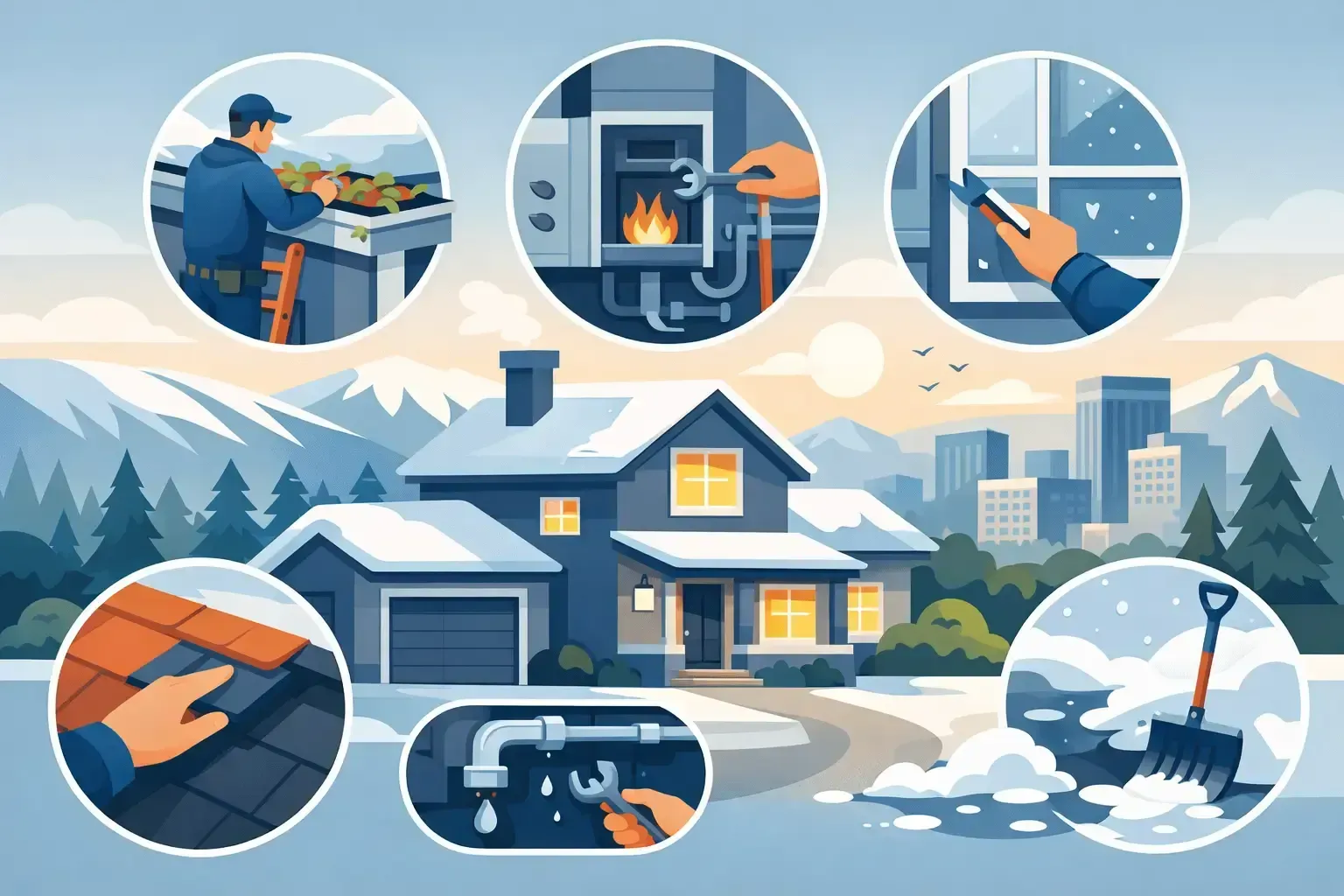
A failed furnace on a cold Boise night is rarely a surprise. It is usually the result of a filter that stayed in too long, a small ignition issue, or maintenance that was postponed until the first hard freeze. The best home repairs before winter are the ones that prevent those stressful, expensive calls while protecting the systems your property relies on every day.
For homeowners, landlords, and property managers, fall is the practical time to address weather exposure, heating performance, water damage risks, and electrical safety. Not every item needs a major project or a full replacement. The goal is to identify small issues while they are still manageable and bring in qualified help where safety, code requirements, or specialized equipment are involved.
Best Home Repairs Before Winter: Start With Heat
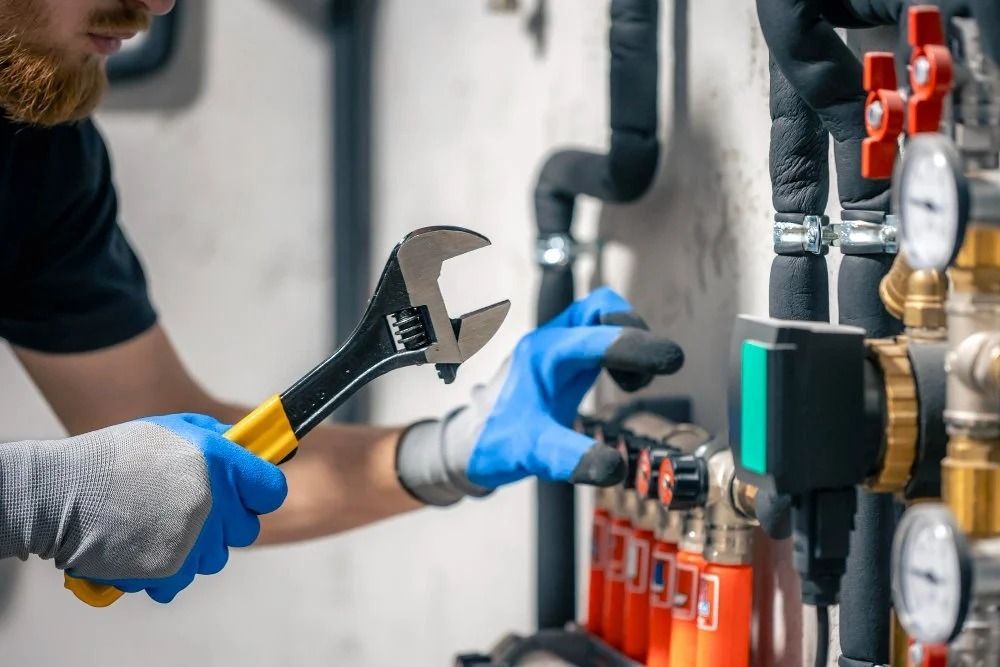
Your heating system should be inspected before it has to work continuously. A furnace can appear to run normally during a mild fall day but struggle once overnight temperatures drop. Dirty filters, worn components, blocked vents, weak airflow, and thermostat problems can all reduce performance and increase operating costs.
Start with the basics: replace the filter if it is dirty, confirm that supply and return vents are open and unobstructed, and test the thermostat in heating mode. Listen for unusual cycling, banging, squealing, or delayed startup. If rooms heat unevenly, the system short-cycles, or the furnace produces unfamiliar odors after the initial seasonal dust burns off, schedule an HVAC service visit.
A professional tune-up is especially worthwhile for older equipment, rental properties, or systems that have had repairs in previous winters. Maintenance does not guarantee a furnace will never fail, but it can expose worn parts before a no-heat emergency. It also gives you a clearer picture of whether a repair is sensible or whether it is time to plan for replacement.
Check Carbon Monoxide and Smoke Alarms
Heating season is also the right time to test every smoke alarm and carbon monoxide detector. Replace batteries where applicable, check expiration dates, and make sure detectors are installed in appropriate locations near sleeping areas. Carbon monoxide is odorless, so a working detector is not a convenience item. It is a safety device.
If alarms chirp repeatedly, do not simply remove the battery. Address the cause, whether it is a low battery, an expired unit, contamination, or a wiring issue with an interconnected system. Hardwired detector repairs should be handled correctly to preserve the system's intended protection.
Protect Plumbing From Freezing Weather
A frozen pipe can turn a minor draft or unprotected exterior faucet into significant water damage. This is one of the most important areas to address before temperatures stay below freezing.
Disconnect garden hoses and drain them before storing them. Shut off exterior hose bibs if your property has interior shutoff valves, then open the outdoor faucets to drain residual water. Insulated faucet covers can offer extra protection, but they are not a substitute for shutting off and draining a vulnerable line.
Inside the home, look for pipes located near exterior walls, garages, crawl spaces, and unheated utility areas. Seal obvious gaps where plumbing enters the building, and insulate exposed pipes where appropriate. During a severe cold spell, opening cabinet doors under sinks can help warm room air reach supply lines, particularly on exterior walls.
Pay attention to early warning signs: slow leaks, corrosion around valves, water stains below sinks, loose fixtures, or a toilet that runs intermittently. These problems do not always cause a winter emergency, but they can worsen when the home is under heavier seasonal use or when a vacant rental is not checked regularly.
Winterize Irrigation and Backflow Equipment
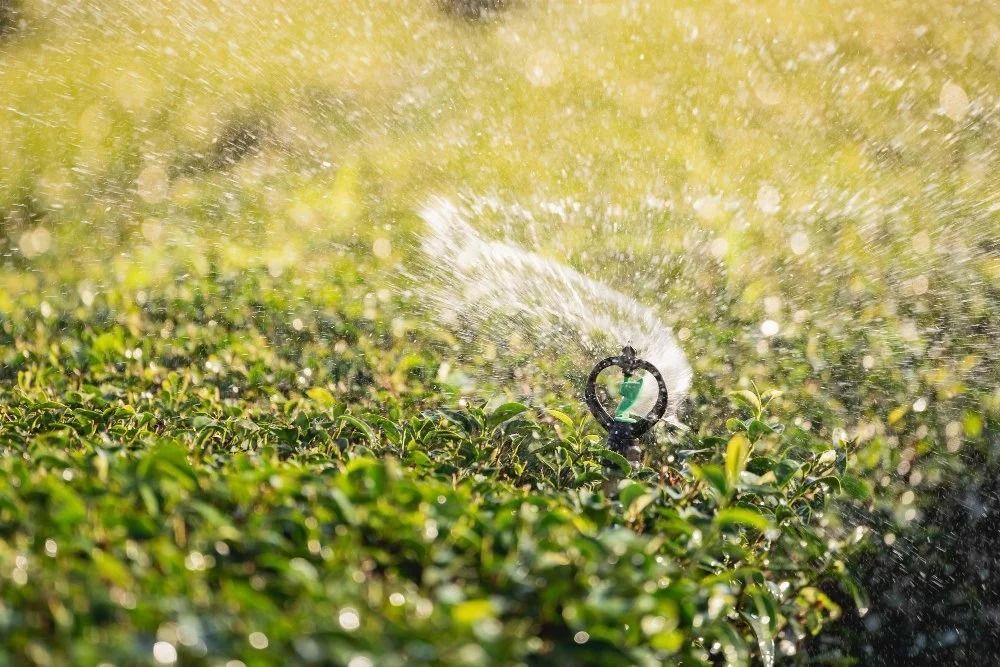
In the Treasure Valley, sprinkler winterization is not a task to postpone until the forecast turns sharply cold. Water left in irrigation lines, valves, or backflow assemblies can freeze, expand, and damage components that are costly to replace.
Proper winterization typically involves shutting off the irrigation water supply and using the correct method to remove water from the system. The details depend on the layout, components, and manufacturer requirements. Backflow assemblies also need careful handling because they are designed to protect the potable water supply and may be subject to testing and service requirements.
Avoid using excessive air pressure or guessing at the process. A damaged valve, split fitting, or compromised backflow device can create repair costs that outweigh the price of professional seasonal service. For properties with multiple zones, complex landscaping, or commercial-style irrigation components, professional winterization is the safer choice.
Stop Water and Air From Getting In
Fall rain and winter snow expose weak points in roofs, gutters, siding, windows, and doors. You do not need to replace every drafty window before winter, but you should correct conditions that allow water intrusion or major heat loss.
Walk around the exterior on a dry day and look for loose siding, damaged trim, cracked caulk, missing weatherstripping, and gaps around utility penetrations. Check windows and exterior doors for drafts, difficulty latching, or visible daylight around frames. Replacing worn weatherstripping and resealing small gaps can improve comfort without becoming a large renovation project.
Gutters deserve attention as well. Leaves, roofing grit, and debris can block drainage, causing water to overflow near the foundation or freeze at the roof edge. Clean gutters and downspouts, confirm downspouts direct water away from the home, and repair loose sections before winter moisture makes the problem harder to see.
Roof issues are different. A few missing shingles, damaged flashing around vents, or a stain on the ceiling should not be ignored just because the leak is small. Water can travel before it becomes visible indoors, and freeze-thaw cycles can make a minor opening worse. If you see signs of an active roof leak, arrange an assessment before winter storms arrive.
Address Electrical Problems Before Indoor Use Increases
Winter often means more lights, space heaters, holiday decorations, garage equipment, and time spent indoors. That added demand can expose electrical issues that were easy to overlook in summer.
Test ground-fault circuit interrupter outlets in kitchens, bathrooms, garages, laundry areas, and exterior locations. Make sure exterior receptacle covers are intact and that extension cords are not being used as permanent wiring. A breaker that trips repeatedly, switches that feel warm, flickering lights, buzzing outlets, or outlets that no longer hold plugs securely should be evaluated by a licensed electrician.
Be particularly cautious with portable space heaters. They should be plugged directly into a properly functioning wall outlet, placed on a stable surface, and kept clear of bedding, furniture, curtains, and other combustibles. If a room requires a space heater every winter because it never warms properly, the better long-term answer may be HVAC, insulation, or electrical work rather than another temporary appliance.
Do Not Overlook Doors, Steps, and Handrails
Small handyman repairs can become safety concerns when ice, snow, and wet shoes arrive. Inspect exterior steps, porch boards, railings, gates, and walkways for loose fasteners, rot, uneven surfaces, or handrails that move under pressure. A stable handrail and a working exterior light can prevent a fall at the front door.
Check door hardware too. A deadbolt that sticks, a weather-swollen door that will not latch, or a garage entry door with a loose strike plate is more than an annoyance when you are trying to secure a home in bad weather. These repairs are usually straightforward when handled early.
For landlords and property managers, these are high-value preventive items. A documented seasonal inspection helps identify hazards before residents report them during a storm or after an injury.
Decide What Needs a Professional
Many seasonal tasks are reasonable for a capable homeowner: changing filters, clearing accessible debris, testing alarms, and replacing basic weatherstripping. The line changes when a repair involves gas-fired equipment, electrical wiring, pressurized irrigation systems, backflow devices, roof access, or a condition that could cause hidden water damage.
The lowest-cost option is not always the least expensive outcome. A quick patch may be appropriate for a minor cosmetic issue, while a recurring leak, tripping breaker, or furnace problem deserves a proper diagnosis. Licensed, insured work matters most when safety, code compliance, and the value of the property are on the line.
M Property Services helps Boise-area owners simplify this process by coordinating HVAC, electrical, handyman, and sprinkler or backflow needs through one dependable local provider. That can be especially useful when a seasonal inspection uncovers several small issues across different systems.
A short repair list completed before the first sustained freeze gives you more than a warmer home. It gives you fewer urgent decisions, fewer disruptions for tenants, and a better chance of spending winter inside rather than waiting on an emergency repair.