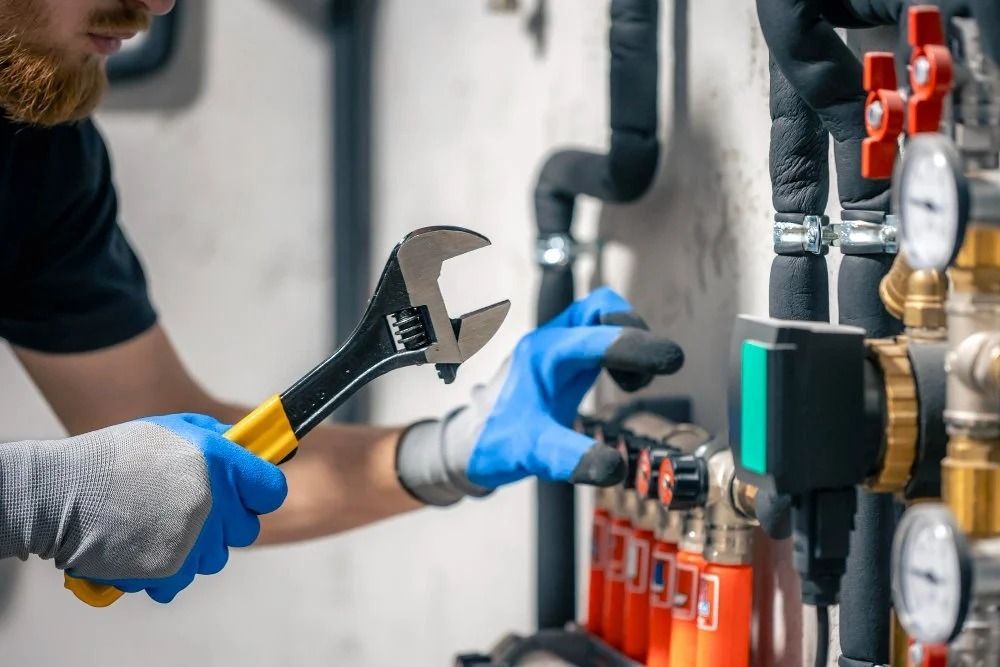
That diagnostic approach matters because heat pumps are more than outdoor air conditioners running backward. A part can be working well enough to avoid a complete shutdown while still causing high energy use and uneven comfort.
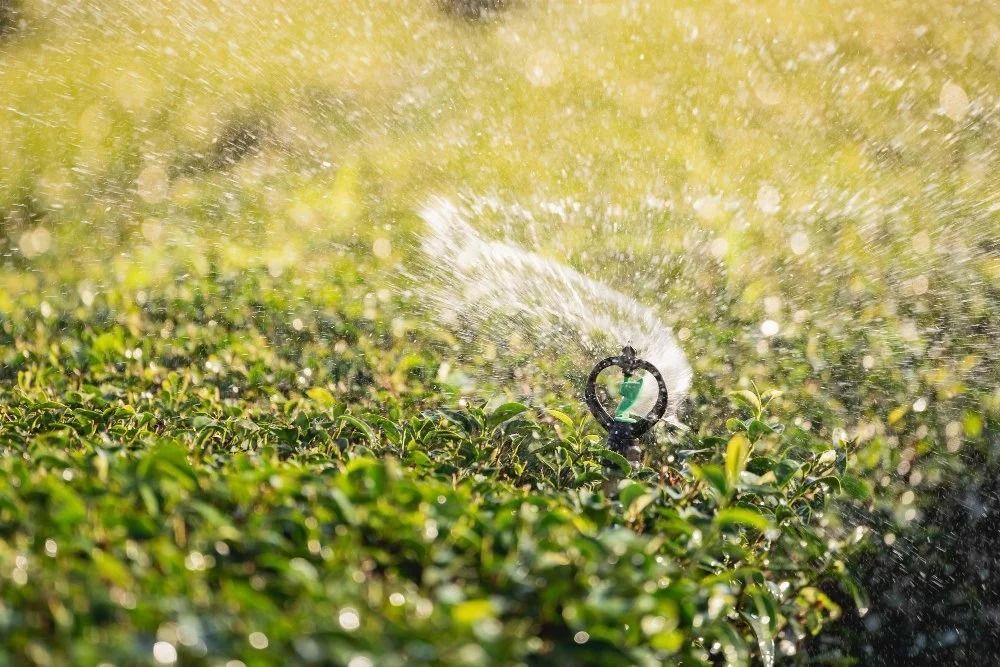
If your irrigation system is due for testing, treat the appointment as a practical part of spring property care. A properly tested assembly gives you one less thing to worry about when it is time to turn the water on and enjoy the season.
12 Best Home Maintenance Tasks for Spring
July 22, 2026
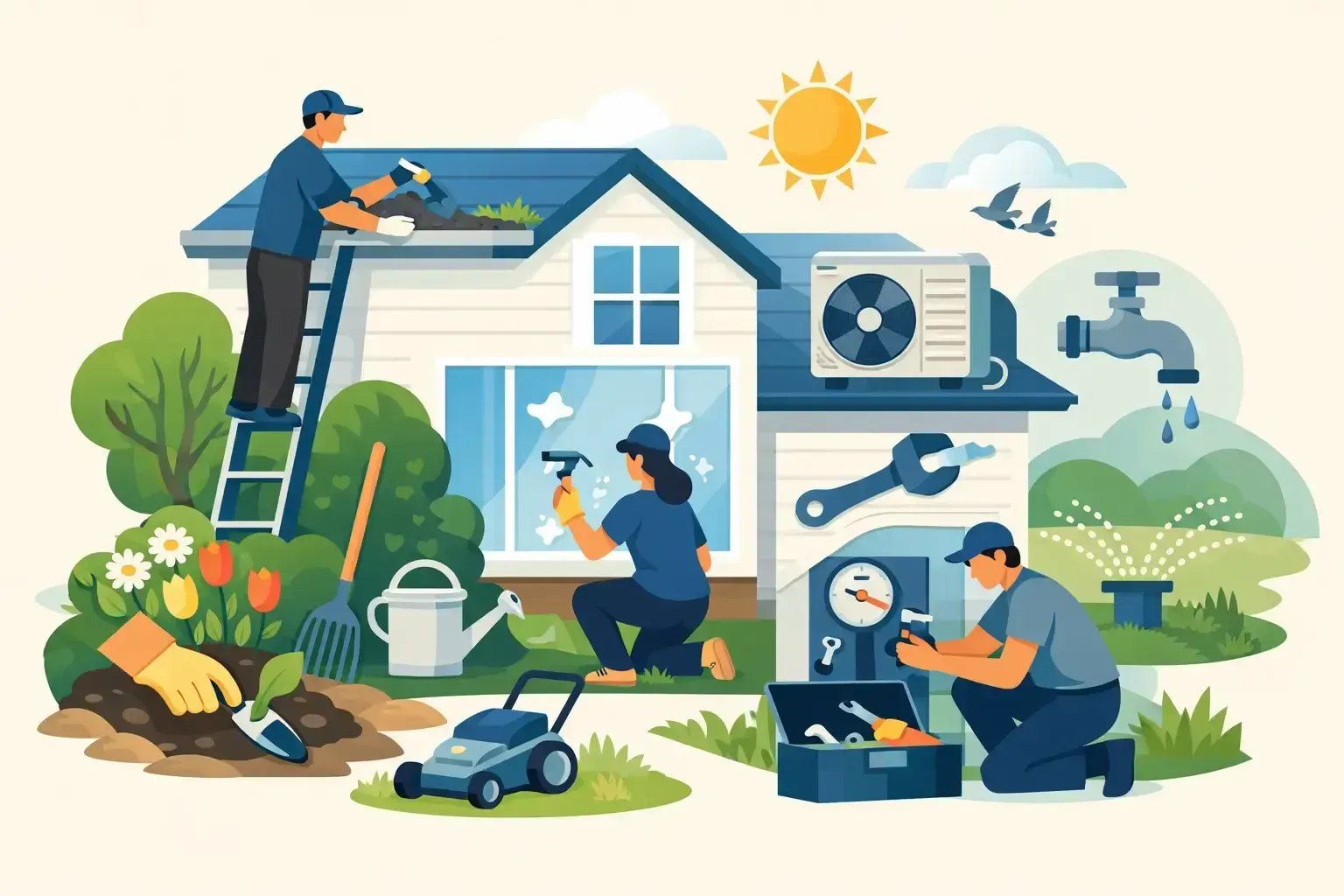
Spring in the Treasure Valley can move quickly from freezing nights to dry, warm afternoons. That shift puts real pressure on the systems that keep a home comfortable, safe, and protected. The best home maintenance tasks for spring are not simply about making a property look better after winter. They help prevent expensive summer breakdowns, water damage, fire risks, and avoidable emergency calls.
For homeowners, landlords, and property managers, the most useful approach is to start with the systems that can cause the most trouble if they fail: heating and cooling, plumbing and irrigation, electrical equipment, and the exterior of the building. Then handle the smaller repairs before they become larger ones.
Start With the Best Home Maintenance Tasks for Spring
A good spring maintenance plan should be based on condition, not just a calendar. A newer home with a recently serviced HVAC system may need only a basic inspection and filter change. An older rental, vacant property, or home that had ice buildup, wind damage, or irrigation issues over winter may need a more thorough review.
Walk the property after a rainfall if possible. Water leaves clues. Look for standing water near the foundation, dripping gutters, soft spots around exterior walls, and soil erosion near downspouts. Inside, check for staining on ceilings, musty odors, peeling paint, or damp areas under sinks. Catching these signs early can save a homeowner from a much larger repair later in the year.
1. Schedule HVAC Maintenance Before Summer Demand
Your air conditioner will work much harder once Boise-area temperatures climb. Spring is the practical time to have the system inspected, cleaned, and tested before the first heat wave fills service schedules.
A professional HVAC maintenance visit typically checks refrigerant performance, electrical connections, condensate drainage, blower operation, safety controls, and the outdoor unit. The technician can also identify worn capacitors, damaged wiring, dirty coils, or airflow issues that may not be noticeable until the system is under heavy load.
At home, replace or clean the air filter according to the manufacturer’s guidance. A clogged filter restricts airflow and can increase energy use while placing unnecessary strain on the equipment. Keep leaves, dirt, and stored items away from the outdoor condenser as well. It needs open space to move air properly.
Do not assume that a running air conditioner is a healthy air conditioner. Weak cooling, unusual sounds, water near the indoor unit, or a sudden increase in utility costs are all reasons to schedule service before summer.
2. Inspect Gutters, Roof Edges, and Drainage
Winter debris and spring rain can expose drainage problems quickly. Clean leaves, shingle grit, and other material from gutters and downspouts so water can move away from the roofline. Confirm that downspouts discharge well away from the foundation, ideally onto extensions or splash blocks that direct water outward.
While working from the ground, look for sagging gutters, loose fasteners, damaged fascia, missing shingles, or areas where water appears to run behind the gutter. Roof work can be dangerous, especially on steep slopes or wet surfaces. If an inspection requires climbing or there are signs of damage, bring in a qualified professional rather than risking a fall.
Pay attention to grading around the home, too. Soil should slope away from the foundation. Low areas that collect water may need to be filled or redirected before spring rain and irrigation season make the problem worse.
3. Bring the Sprinkler System Back Carefully
Turning on an irrigation system is one of the most valuable spring tasks in our area, but it is not as simple as opening a valve. A line that froze, a damaged sprinkler head, or a failed connection can waste a surprising amount of water before anyone notices.
Start by checking visible valves, irrigation boxes, and exposed piping for cracks or damage. Turn the water on slowly and watch for leaks at the backflow assembly, manifold, and each zone. Run every zone long enough to see whether heads rise correctly, spray where intended, and fully shut off afterward.
Adjust sprinkler heads away from siding, windows, driveways, and sidewalks. Water hitting the house can contribute to staining, rot, and moisture problems, while overspray onto pavement wastes water. Replace damaged heads and clear clogged nozzles rather than increasing run times to compensate for poor coverage.
Backflow assemblies deserve particular attention. They protect the potable water supply from contamination, and their testing requirements are regulated. If you are unsure whether your device is working correctly or due for required testing, use a certified backflow professional. This is a code-sensitive service, not a place for guesswork.
4. Check Electrical Safety Where Winter Took a Toll
Spring cleaning often reveals electrical problems that have been hidden behind furniture, storage, or holiday decorations. Walk through the home and look for loose outlets, cracked cover plates, warm switches, buzzing fixtures, flickering lights, and extension cords being used as permanent wiring.
Test ground-fault circuit interrupter, or GFCI, outlets in kitchens, bathrooms, garages, laundry areas, and exterior locations. These outlets are designed to cut power quickly when they detect a ground fault. If a GFCI will not test, reset, or hold a reset, it needs attention from a qualified electrician.
Outside, inspect receptacle covers, landscape lighting, garage-door wiring, and any cords used for tools. Moisture and damaged outdoor equipment create a higher risk of shock. Electrical repairs can involve hidden wiring, code requirements, and hazards that are not visible at the outlet. If you find discoloration, burning smells, repeated breaker trips, or a panel that feels warm, stop using the affected circuit and call a licensed professional promptly.
5. Seal Out Water, Pests, and Hot Air
Small exterior gaps are easy to overlook in winter and much easier to address in spring. Check caulking around windows, doors, hose bibs, vents, and utility penetrations. Look for cracked or missing sealant, loose trim, damaged weatherstripping, and gaps near garage doors.
The goal is not to seal every part of the home indiscriminately. Attics, crawlspaces, and certain mechanical systems need proper ventilation. The focus should be on unwanted openings that allow rain, insects, rodents, or conditioned air to move where it should not.
Repair torn window screens before opening windows more often. Check exterior doors for smooth operation and make sure the threshold and weatherstripping still make contact. These modest repairs improve comfort and reduce the chance that a small pest entry point becomes a larger issue.
6. Test Safety Devices and Household Essentials
Spring is a smart time to test smoke alarms and carbon monoxide alarms throughout the home. Replace batteries where needed, check expiration dates, and confirm alarms are installed in appropriate locations. Many alarms have a limited service life, even when they still chirp or appear functional.
Also locate the main water shutoff valve and make sure responsible adults, tenants, or onsite managers know where it is. In a plumbing emergency, knowing how to stop the water can significantly limit damage. Check the fire extinguisher gauge if you have one and replace or service it if it is expired, damaged, or no longer charged.
For rental properties, document these checks. A simple maintenance record helps property managers track work completed, identify recurring problems, and show residents that safety concerns are handled responsibly.
7. Address Small Interior Repairs Before They Spread
Spring maintenance does not have to mean a full renovation. Focus on items that affect function, safety, and long-term wear: dripping faucets, slow drains, loose handrails, sticking doors, damaged cabinet hardware, cracked grout, and failing bathroom caulk.
A slow drain may be a simple buildup issue, but repeated clogs, gurgling, sewer odors, or water backing up into another fixture suggest a bigger plumbing problem. Likewise, fresh caulk around a tub or shower is helpful only if the surrounding area is dry and structurally sound. If there is soft flooring, loose tile, or staining below the bathroom, investigate for hidden moisture first.
Exterior paint touch-ups and wood repair are also worth handling before intense summer sun dries and worsens exposed surfaces. Scrape loose paint, address rot instead of painting over it, and prime bare material before applying a compatible exterior coating.
Put the Work in the Right Order
The best home maintenance tasks for spring are easier to manage when you prioritize them by risk. Start with active leaks, electrical concerns, HVAC performance problems, and anything affecting life safety. Next, handle water management, irrigation startup, exterior sealing, and preventive repairs. Cosmetic work can wait if the budget or schedule is tight.
It also helps to be realistic about what belongs in a homeowner’s tool kit and what requires a licensed trade professional. Replacing a filter, cleaning gutters from a safe position, and adjusting a sprinkler head are reasonable for many people. Electrical panel work, refrigerant service, backflow testing, and repairs involving concealed water damage require more training, proper equipment, and code knowledge.
M Property Services can help local homeowners and property managers coordinate several of these needs through one dependable point of contact, rather than juggling separate providers as problems appear.
Spring maintenance works best when it is treated as property protection, not a weekend chore list. A few well-timed inspections and repairs now can keep your home safer, more efficient, and far less stressful when summer arrives.