That diagnostic approach matters because heat pumps are more than outdoor air conditioners running backward. A part can be working well enough to avoid a complete shutdown while still causing high energy use and uneven comfort.
If your irrigation system is due for testing, treat the appointment as a practical part of spring property care. A properly tested assembly gives you one less thing to worry about when it is time to turn the water on and enjoy the season.
Nampa Sprinkler Valve Repair That Lasts
July 20, 2026
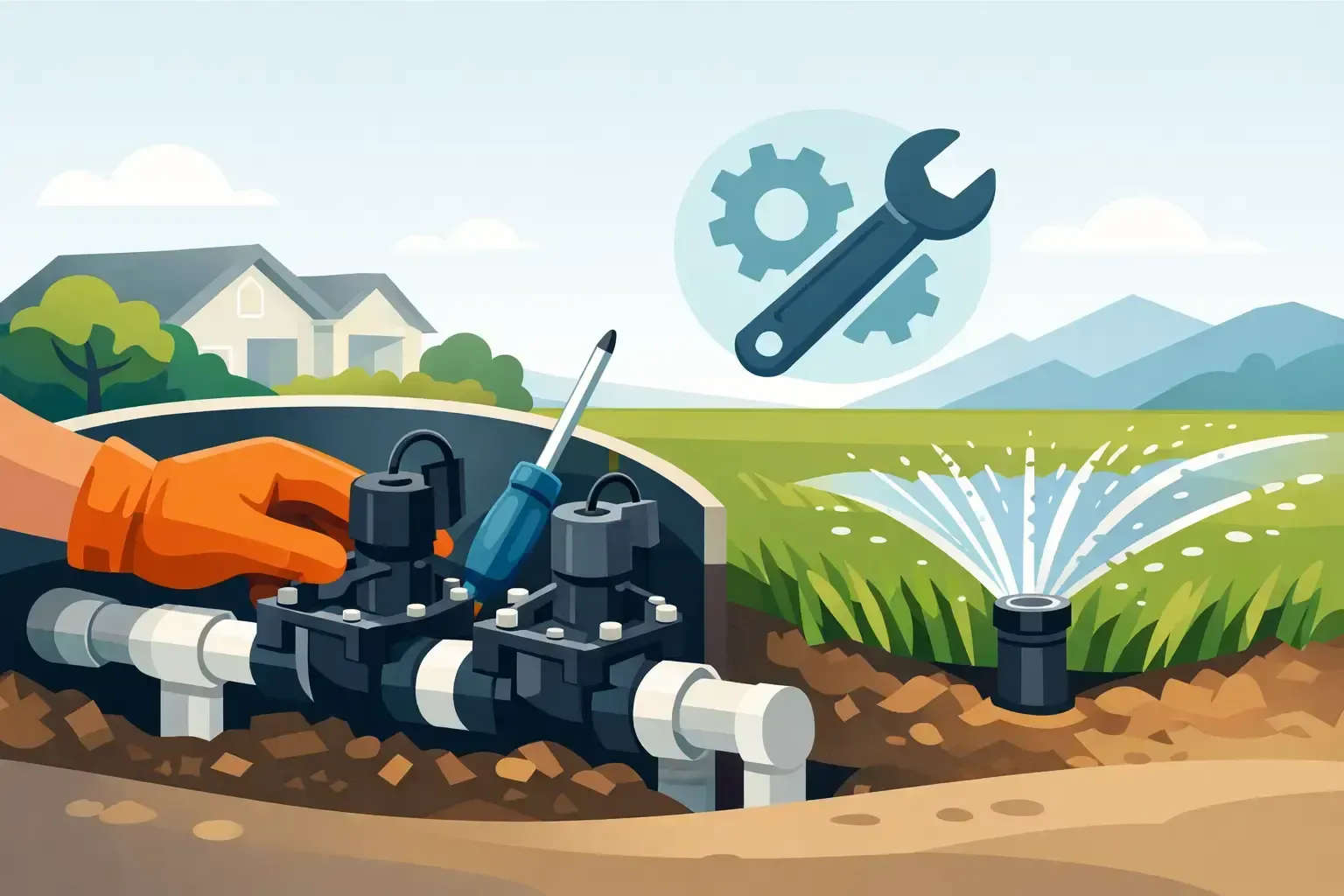
A sprinkler zone that will not shut off can waste a surprising amount of water before the problem is obvious. A zone that will not turn on can leave part of your lawn stressed during a hot Idaho stretch. For homeowners and property managers, Nampa sprinkler valve repair is less about replacing a random part and more about finding the real reason water is not moving where it should.
Sprinkler valves are simple in principle, but they sit at the meeting point of water pressure, electrical controls, seasonal weather, and buried irrigation lines. A proper repair starts with diagnosis. Replacing the wrong component may get a zone working briefly while leaving the underlying issue in place.
What a Sprinkler Valve Actually Does
Each irrigation zone has a valve that opens when the controller sends power to it. The valve uses a small electrical component called a solenoid to release pressure inside the valve and allow water to flow to that zone. When the controller stops sending power, the valve should close tightly and stop the flow.
That sequence depends on several parts working together: the controller, zone wiring, solenoid, valve diaphragm, internal ports, water supply, and sprinkler heads. Trouble in any one of those areas can look like a bad valve from the surface.
This is why a valve box full of water or a zone that will not run should not automatically lead to a full valve replacement. Sometimes the fix is a worn diaphragm or faulty solenoid. Other times, the valve is functioning correctly but is not receiving the electrical signal it needs.
Common Signs You Need Nampa Sprinkler Valve Repair
A valve problem usually announces itself through how a specific zone behaves. If one zone keeps running after its scheduled cycle ends, the valve may be stuck open. If water is seeping from sprinkler heads even when the system is off, a valve may not be closing completely.
A zone that does not come on at all could have a failed solenoid, damaged wire, bad controller terminal, clogged valve port, or a mechanical issue inside the valve. It can also be a water-supply problem, especially if multiple zones have weak pressure or fail to operate.
Other warning signs include pooling water around a valve box, muddy ground near buried irrigation components, unusually high water use, or a zone that produces a weak trickle instead of normal pressure. Do not ignore these symptoms just because the lawn still looks green. Small leaks underground can soften soil, waste water, and eventually create a larger repair.
Why Sprinkler Valves Fail in Nampa
Irrigation systems in the Treasure Valley work through hot, dry summers and then face freezing winter conditions. Even a well-maintained system has wear points, particularly if it has aging components or inconsistent seasonal care.
Debris inside the valve
Sand, mineral buildup, small pieces of plastic, or debris from a damaged line can interfere with the diaphragm and prevent a valve from sealing. This often causes a zone to weep or continue running after the controller shuts it off. Cleaning the valve may solve the problem if the internal parts are still in good condition.
A worn diaphragm or damaged seal
The diaphragm is the flexible internal piece that opens and closes the valve. Over time, it can tear, stretch, harden, or lose its ability to make a reliable seal. A new diaphragm can be a cost-effective repair when the valve body itself is sound and replacement parts are available.
Solenoid failure
The solenoid is the small cylindrical component on top of many irrigation valves. It uses an electrical signal from the controller to operate the valve. A failed solenoid can keep a zone from opening, or it may produce intermittent operation that seems random. Testing the electrical resistance and voltage helps separate a solenoid problem from a wiring or controller issue.
Damaged low-voltage wiring
Zone wires are commonly buried, exposed to moisture, nicked during landscaping, or damaged by rodents. A wiring fault may affect only one zone, making it easy to assume the valve itself is bad. Repairing a valve without checking the signal can mean paying for parts that were never the problem.
Freeze damage and poor winterization
Water left in a valve assembly or nearby pipe can freeze and expand. The resulting crack may be obvious, but not always. Some freeze damage shows up as slow leaks when the system is turned back on in spring. Proper seasonal winterization reduces this risk, although no system is completely immune to age and severe conditions.
Repair or Replace: Making the Practical Call
Not every sprinkler valve needs to be replaced. If the issue is limited to a solenoid, diaphragm, seal, or debris inside the valve, repairing the existing assembly can make sense. It can be especially practical when the valve is accessible, the body is intact, and compatible parts are readily available.
Replacement is often the better long-term choice when the valve body is cracked, threads are damaged, several internal components are worn, or the valve is an older model with limited parts availability. It may also be sensible to replace a valve that has required repeat repairs. Saving a little on one service call is not a win if the same zone fails again during the peak watering season.
Access matters, too. A valve buried under settled soil, roots, or landscaping may require more labor than one in a clean, accessible valve box. A technician should explain what was found, what can be repaired, and what replacement would involve before the work moves forward.
What a Professional Valve Diagnosis Should Include
A dependable repair begins by confirming the symptom, not guessing from it. The technician should run the affected zone from the controller, inspect the valve box and surrounding ground, and check whether the valve is receiving the proper electrical signal.
If power is reaching the valve, the next step is usually to inspect the solenoid and internal valve components. If power is not reaching it, attention should turn to the controller, terminal connection, and zone wire. Pressure and flow should also be evaluated when a zone is weak, since a clogged filter, partially closed supply valve, pipe leak, or damaged head can create similar symptoms.
Once the repair is complete, the zone should be tested through a normal cycle. The valve needs to open fully, provide consistent coverage, and close without leaking or allowing continued flow. That final test is what confirms the system is ready to do its job rather than merely appearing fixed at the valve box.
What Homeowners Can Check Safely First
Before scheduling service, you can look for a few straightforward clues. Confirm that the irrigation controller has power, the correct date and time, and an active watering program. Run the affected zone manually and note whether you hear the valve click or see water moving anywhere in the area.
Check the valve box for standing water, damaged wires, insect nests, or obvious cracks. If the valve has a manual bleed screw or flow-control feature, avoid forcing it or taking it apart unless you are familiar with the model. A loose component can cause a zone to run unexpectedly, and an open valve box can collect dirt that makes the repair harder.
Turn off the irrigation water supply if a zone will not stop running or if water is actively flooding the area. Then arrange service before the leak affects landscaping, adjacent hardscape, or your water bill.
Protecting Valves Between Service Calls
The best valve repair is the one you do not need prematurely. Keeping valve boxes clear of soil and mulch makes future inspection easier. Adjust sprinkler heads so they are watering landscape, not driveways or exterior walls. Watch for changes in zone run time, pressure, and coverage rather than waiting for a complete failure.
Seasonal attention matters as well. Spring startup is the time to find leaks, damaged heads, and valves that did not survive winter. Fall winterization helps protect the system before freezing temperatures arrive. For rental properties and larger homes with several irrigation zones, keeping a simple record of repairs can make recurring issues easier to identify.
M Property Services helps local homeowners and property managers address sprinkler concerns with practical diagnosis, clear communication, and repair recommendations based on the condition of the system. Whether the problem is a single stubborn zone or signs of a larger irrigation issue, the right next step is to identify the cause before water, time, and money continue to run through the valve box.