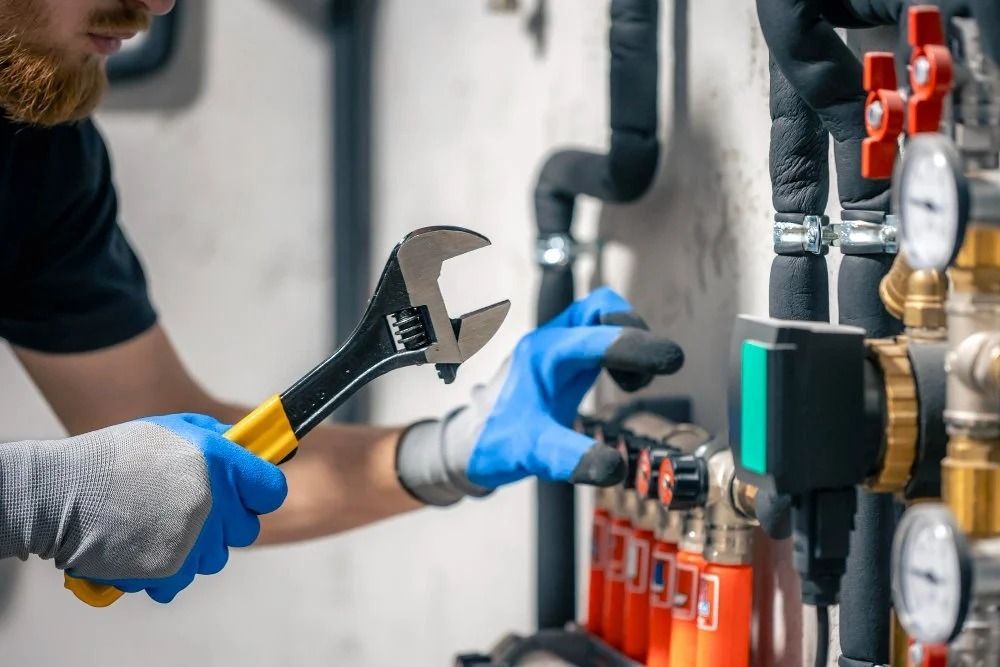
That diagnostic approach matters because heat pumps are more than outdoor air conditioners running backward. A part can be working well enough to avoid a complete shutdown while still causing high energy use and uneven comfort.
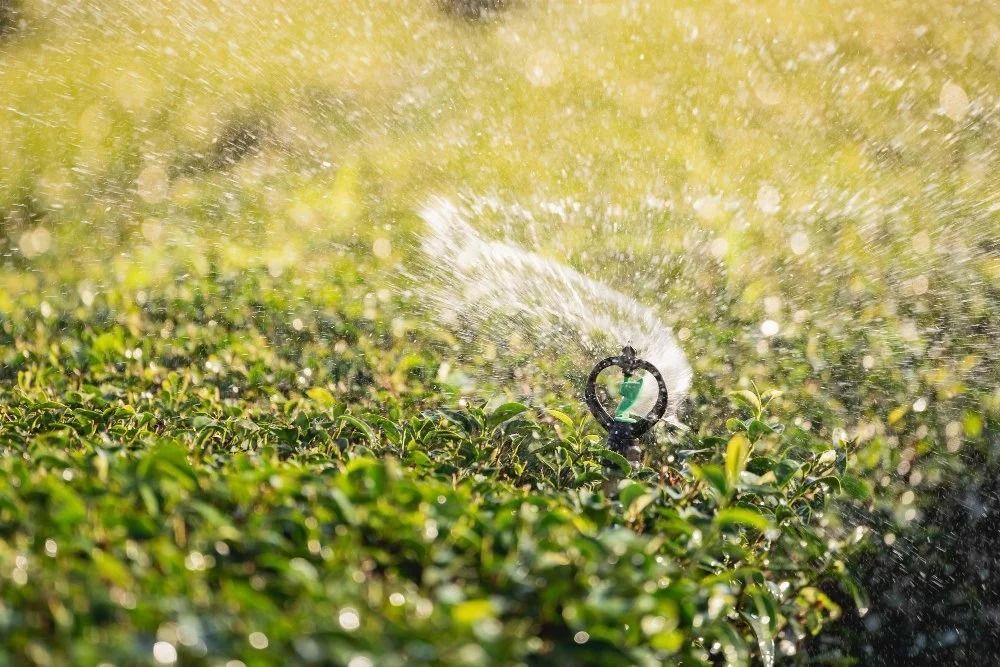
If your irrigation system is due for testing, treat the appointment as a practical part of spring property care. A properly tested assembly gives you one less thing to worry about when it is time to turn the water on and enjoy the season.
Boise Seasonal Maintenance Checklist for Every Home
July 18, 2026

A Boise home can look perfectly sound on a sunny afternoon and still be one hard freeze, windstorm, or 100-degree week away from an expensive repair. Our dry summers, cold snaps, irrigation season, and changing temperatures put steady pressure on systems that are easy to overlook. This Boise seasonal maintenance checklist helps homeowners, landlords, and property managers stay ahead of those problems instead of reacting when a system fails.
The right schedule depends on the age of the home, whether it is occupied year-round, and the condition of its major systems. A newer property may need basic inspection and routine service. An older home or rental property may need more frequent attention, especially when HVAC equipment, electrical components, exterior caulking, or irrigation systems have a history of trouble.
Boise Seasonal Maintenance Checklist by Season
Late winter: Find problems before spring work begins
Late winter is a good time to inspect the damage cold weather may have caused. Start outside, where freeze-thaw cycles can widen cracks in concrete, loosen caulking, and expose small roof or siding issues. Check walkways, steps, railings, gates, and exterior lighting for anything that could become a safety concern when spring rain arrives.
Inside, look under sinks, around water heaters, and near exterior walls for signs of slow leaks or moisture. A small stain, musty smell, or soft area of drywall is worth addressing early. Waiting for a leak to become obvious usually means the repair has spread beyond the original source.
This is also a practical time to test smoke alarms and carbon monoxide alarms, replace weak batteries where applicable, and confirm that electrical panels are accessible and clearly labeled. If breakers trip repeatedly, outlets feel warm, lights flicker, or you rely heavily on extension cords, schedule a professional electrical evaluation. Those are not maintenance items to postpone.
Spring: Prepare cooling, irrigation, and exterior systems
Spring maintenance in Boise is about getting ahead of summer demand. Before daytime temperatures climb, have the air conditioning system inspected and serviced. A professional HVAC visit can identify worn components, drainage concerns, dirty coils, airflow restrictions, and refrigerant-related issues before the unit is working at full capacity.
Homeowners can support that service by replacing the HVAC filter on the schedule recommended for the filter and household. Homes with pets, construction dust, allergies, or high runtime may need more frequent changes. Keep return vents clear of furniture and avoid closing too many supply vents, which can affect airflow and system performance.
Irrigation work deserves the same attention. Turn on sprinklers carefully and walk each zone while it runs. Look for broken heads, leaking valves, overspray onto sidewalks, soggy spots, and zones that fail to activate. A leak underground can waste significant water without creating a dramatic puddle.
Backflow assemblies should also receive the appropriate attention for the season. Testing and compliance requirements can vary by water provider and property type, so confirm what applies to your address rather than assuming a neighbor's schedule is the same as yours. Certified backflow service helps protect the potable water supply and keeps a code-sensitive task from becoming a last-minute scramble.
Spring is a good time to inspect weatherstripping, screens, gutters, downspout extensions, and exterior paint or sealant. The goal is not to make every surface look new. It is to stop water, pests, and air leaks from finding their way into more expensive parts of the home.
Summer: Protect systems during peak use
When Boise temperatures rise, HVAC systems and irrigation systems do their hardest work. Pay attention to changes in performance rather than waiting for a complete breakdown. An air conditioner that runs constantly, cools unevenly, makes unfamiliar noises, or leaves rooms humid may be signaling a maintenance or repair need.
Keep the outdoor condenser free from weeds, grass clippings, storage items, and debris. It needs open space to move air effectively. Do not hose down electrical components or attempt repairs inside the unit. Simple housekeeping is useful, but diagnosis and electrical work belong with a qualified technician.
Review your irrigation schedule as the weather changes. Overwatering is common when timers are set once and forgotten. Adjust for rainfall, heat, plant maturity, and local watering guidance. Check drip lines around landscaping and garden beds, where small breaks can be hard to spot. If water is pooling near the foundation, redirect it promptly.
Summer is also a smart time for exterior safety checks. Inspect deck boards, handrails, fence gates, and outdoor outlets used for tools or patio equipment. Ground-fault circuit interrupter outlets should be tested according to the manufacturer's instructions. If an outdoor outlet will not reset, shows corrosion, or has a damaged cover, have it repaired rather than relying on an indoor extension cord.
For rental properties, document seasonal inspections and tenant-reported concerns. A clear record of filter changes, HVAC service, sprinkler repairs, and safety checks helps property managers make better decisions and avoid repeated calls for the same unresolved issue.
Fall: Winterize before the first hard freeze
Fall is the most important preventive maintenance season for many Boise-area homes. The priority is protecting plumbing and irrigation equipment from freezing temperatures while making sure the heating system is ready for daily use.
Schedule furnace maintenance before the first sustained cold stretch. A qualified service visit can check safe operation, ignition components, electrical connections, airflow, and other performance factors that are not visible during a quick homeowner inspection. Replace filters, clear the area around the furnace, and make sure supply and return vents are not blocked.
For homes with a fireplace or gas appliance, follow the appropriate inspection and cleaning schedule. If you smell gas, notice soot, or have trouble with ignition, stop using the appliance and seek qualified service. Safety concerns should never be handled as a do-it-yourself experiment.
Sprinkler winterization should happen before freezing temperatures put lines, valves, and backflow assemblies at risk. Simply turning off the timer is not enough. Water remaining in the system can freeze, expand, and damage components that are costly to repair in spring. The exact process depends on the system design, but proper shutoff and winterization are far less expensive than replacing cracked lines or valves.
Outside, disconnect hoses, protect exposed faucets as appropriate, clean gutters, and make sure downspouts discharge away from the foundation. Inspect door sweeps and weatherstripping, particularly on doors leading to garages or exterior spaces. Small gaps can make rooms uncomfortable and increase heating costs.
Winter: Monitor, test, and respond early
Winter maintenance is less about large projects and more about observation. Watch for ice buildup, condensation on windows, cold rooms, unusual furnace cycling, and signs of frozen plumbing. Open cabinet doors under sinks on particularly cold nights when plumbing runs along exterior walls, and keep the home at a consistent temperature if it will be vacant.
After snow or wind, inspect the property for fallen branches, damaged exterior fixtures, loose fencing, and blocked vents. Keep combustion appliance vents clear of snow and debris. If a breaker trips after a storm, do not keep resetting it. Repeated tripping is a warning that needs investigation.
Winter is also a useful planning period. Review repairs from the past year and decide what should be addressed before the next season starts. If the same outlet, sprinkler zone, door, or HVAC issue keeps returning, a more complete repair may be more cost-effective than another temporary fix.
When One Checklist Is Not Enough
A seasonal checklist is valuable, but it does not replace professional service for licensed electrical work, HVAC repair, or certified backflow testing. It also cannot reveal every issue behind walls, inside equipment, or below ground. The practical approach is to handle basic visual checks and routine tasks consistently, then bring in qualified help when safety, code requirements, or specialized equipment are involved.
M Property Services can help simplify that process by coordinating electrical, HVAC, handyman, sprinkler, and backflow needs through one local point of contact. That means less time scheduling multiple contractors and more confidence that seasonal work is handled with the right trade experience.
Set a reminder for each season, keep notes on what you find, and act on small changes while they are still small. A home that receives steady attention is easier to manage, safer to occupy, and far less likely to surprise you at the worst possible time.