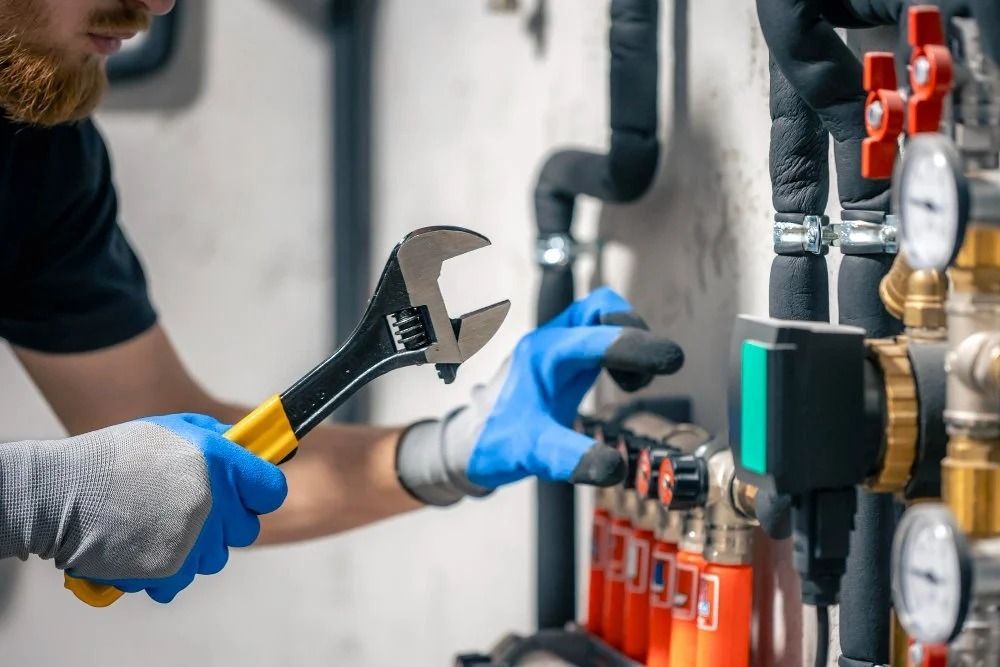
That diagnostic approach matters because heat pumps are more than outdoor air conditioners running backward. A part can be working well enough to avoid a complete shutdown while still causing high energy use and uneven comfort.
If your irrigation system is due for testing, treat the appointment as a practical part of spring property care. A properly tested assembly gives you one less thing to worry about when it is time to turn the water on and enjoy the season.
Best Upgrades for Older Homes That Pay Off
July 28, 2026
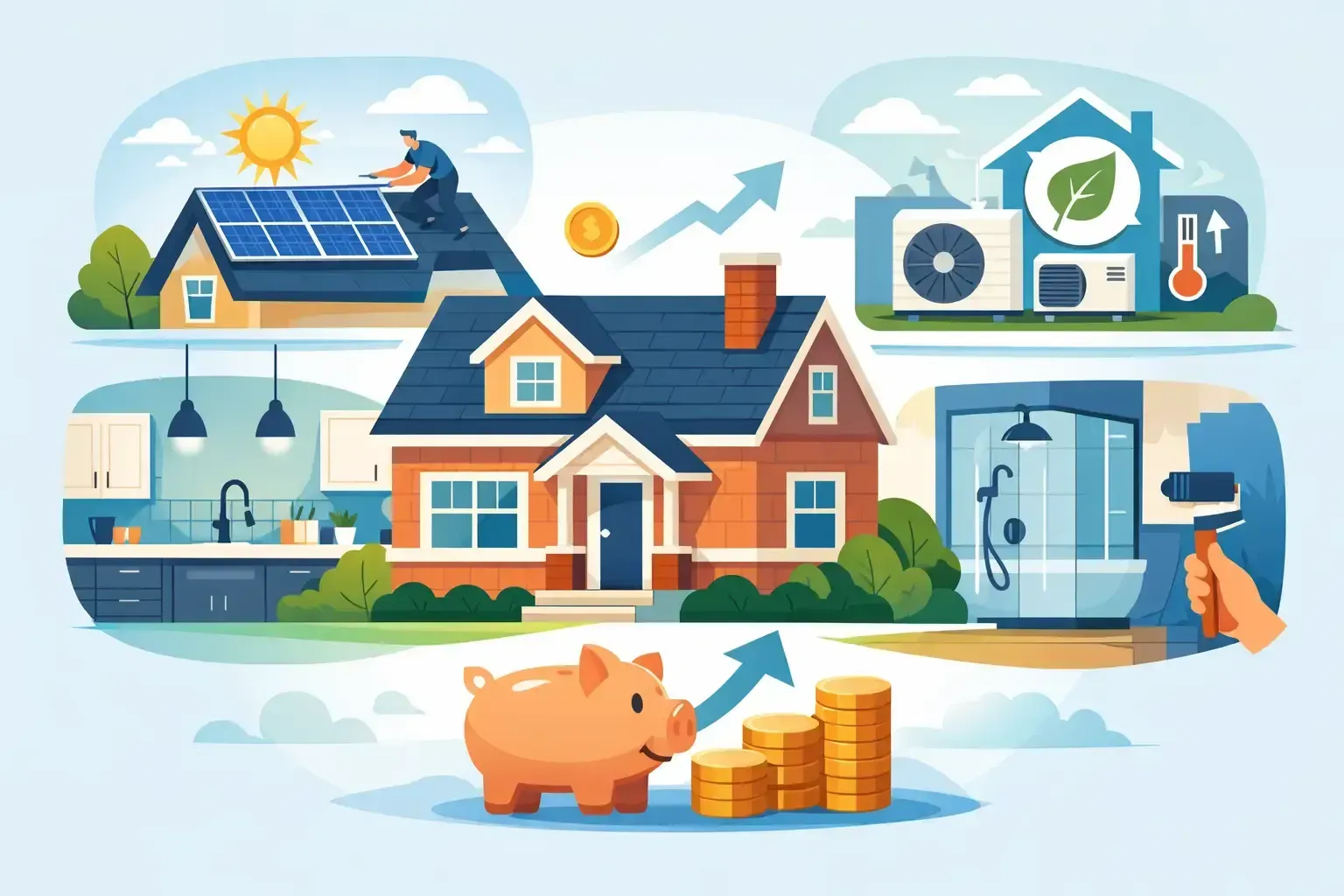
A house can look well cared for and still hide aging systems behind the walls, under the floor, or out by the sprinkler valves. The best upgrades for older homes are not always the ones that change the appearance first. They are the improvements that make the property safer, more dependable, easier to maintain, and less likely to surprise you with an expensive failure.
For homeowners and rental property managers in the Boise area, a smart upgrade plan also has to account for hot, dry summers, freezing winter temperatures, and the practical demands of keeping an older property occupied and functional. Start with the systems that protect the home, then move to improvements that add comfort and convenience.
Start With a Whole-Home Condition Check
Older homes rarely need just one thing. A new light fixture may reveal outdated wiring. An HVAC repair may expose poor airflow or insufficient insulation. A sprinkler issue may point to a backflow device that needs testing, repair, or replacement.
Before choosing upgrades, document what you have: the age of the electrical panel, heating and cooling equipment, water heater, visible plumbing, roofing, insulation, irrigation controls, and major appliances. Look for recurring problems, such as tripped breakers, uneven room temperatures, high utility bills, dripping exterior faucets, or frequent small repairs.r contractor who might not know what had been done before.
This step keeps you from spending money on cosmetic work while a more urgent system is approaching the end of its useful life. It also helps landlords plan repairs between tenancies instead of responding to avoidable emergency calls.
Best Upgrades for Older Homes: Put Safety First
Modernize electrical protection
Electrical work is often the highest-priority upgrade in an older home, especially if the panel is undersized, breakers trip regularly, outlets are ungrounded, or extension cords have become a permanent solution. Older wiring was not designed for the electrical load of modern kitchens, home offices, entertainment systems, electric vehicle chargers, and newer appliances.
An electrical evaluation can identify whether the panel has adequate capacity and whether circuits need to be added or updated. Ground-fault circuit interrupter protection is commonly needed in areas exposed to moisture, including bathrooms, kitchens, garages, crawl spaces, and exterior outlets. Arc-fault protection may also be required in certain living areas when circuits are modified.
Not every older home needs a complete rewire. Sometimes the right solution is targeted: replace unsafe outlets, add dedicated appliance circuits, correct overloaded connections, or upgrade the service panel. The scope depends on the home’s condition, planned electrical use, and current code requirements. Licensed, code-compliant work matters here because an inexpensive shortcut can create a real fire or shock hazard.
Upgrade smoke and carbon monoxide detection
Smoke alarms and carbon monoxide alarms are small upgrades with a major safety return. Older homes may have outdated detectors, missing alarms, or devices that are not properly located. Replace expired units, verify that alarms are installed where needed, and consider interconnected alarms so a warning in one area can be heard throughout the home.
For rentals, this is also a basic habit of responsible property care. Test alarms on a regular schedule and replace batteries or units as required by the manufacturer.
Improve Heating, Cooling, and Airflow
A functioning furnace or air conditioner is not necessarily an efficient one. Equipment that is 15 to 20 years old can still run while costing more to operate, delivering uneven comfort, and becoming harder to repair as parts age.
Start with maintenance. A professional inspection can identify worn components, dirty coils, combustion concerns, refrigerant issues, and airflow problems before the system fails during a temperature extreme. Replacing filters on schedule and keeping outdoor equipment clear also helps, but maintenance cannot correct a system that is improperly sized or near the end of its life.
If replacement makes sense, choose equipment based on the home’s actual needs rather than buying the largest unit available. Oversized equipment can short-cycle, reduce comfort, and wear out components sooner. A properly sized system, paired with a programmable or smart thermostat, can provide more consistent temperatures and better control over energy use.
Airflow deserves attention too. In older homes, one bedroom may stay warm in summer or cold in winter because of duct leaks, blocked registers, poor return-air paths, or inadequate insulation. These issues can sometimes be corrected without replacing the entire HVAC system.
Stop Water Damage Before It Starts
Water is one of the most expensive threats to an older property because damage is often hidden until it has spread. Focus on areas where water enters, drains, or freezes.
Inside, inspect supply lines at sinks, toilets, washing machines, and water heaters. Aging rubber hoses, corroded fittings, slow leaks, and failing shutoff valves deserve attention before they become a flooded room. If the water heater is aging, rusty, leaking, or producing inconsistent hot water, plan for replacement rather than waiting for a rupture.
Outside, confirm that gutters, downspouts, and grading direct water away from the foundation. In the Treasure Valley, irrigation systems also need regular care. A cracked valve, leaking sprinkler line, or damaged backflow assembly can waste water and create bigger problems when freezing weather arrives.
Maintain the sprinkler and backflow system
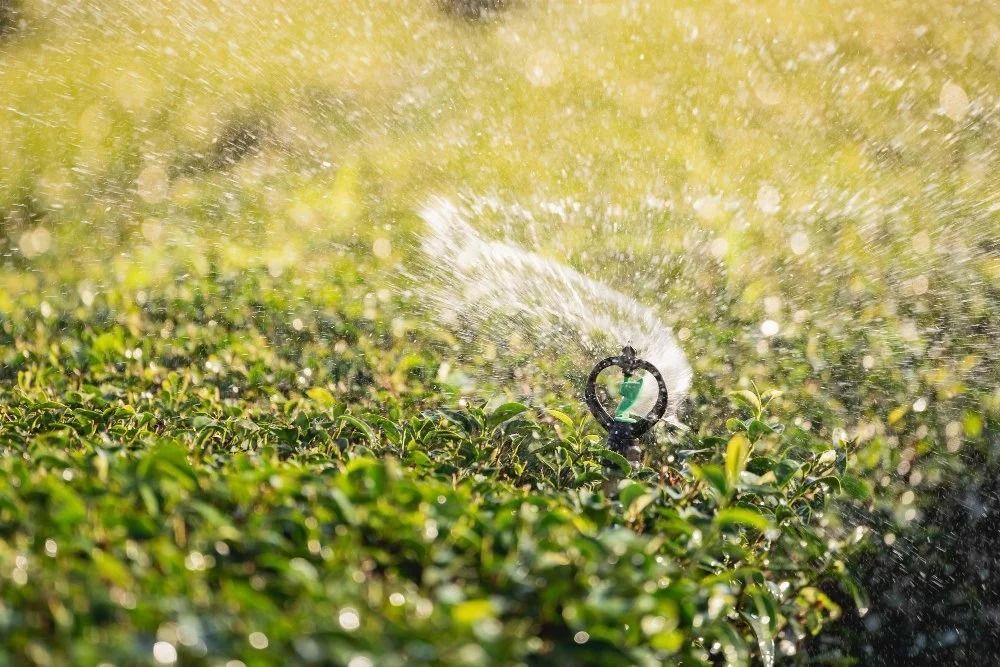
A modern irrigation controller can be a useful upgrade for an older home, particularly one with inconsistent watering schedules or a large landscape. Smart controllers can adjust watering based on weather conditions, but they only work well when the system itself is in sound condition.
Backflow prevention devices require proper testing and maintenance to help protect the potable water supply. Seasonal winterization is equally important in Idaho. Draining and preparing the system before sustained freezing temperatures can prevent cracked pipes, damaged valves, and a costly spring repair.
Make the Building Envelope Work Harder
Before investing heavily in new HVAC equipment, look at how well the home holds conditioned air. Older houses often lose heat and cooling through attic spaces, exterior doors, windows, and gaps around penetrations for wiring, plumbing, and vents.
Attic insulation and air sealing are often practical improvements because heat rises in winter and attic heat can push into living spaces during summer. Weatherstripping doors, sealing obvious gaps, and repairing damaged thresholds can improve comfort at a relatively modest cost.
Window replacement is more situational. Old, damaged, single-pane, or poorly operating windows may justify replacement for comfort, efficiency, noise reduction, and appearance. But replacing every window solely for utility savings may not offer the fastest payback. If the budget is limited, address air leaks, insulation, and HVAC performance first, then prioritize windows with failed seals, rot, drafts, or operational problems.
Choose Durable, Low-Maintenance Improvements
Once safety and major systems are addressed, focus on upgrades that reduce ongoing maintenance. These can be especially valuable for landlords and owners of second homes.
Replace failing caulk around tubs, showers, sinks, and exterior trim before moisture reaches surrounding materials. Repair loose handrails, damaged steps, sticking doors, and worn weatherstripping. Upgrade old exterior light fixtures with properly installed, energy-efficient options that improve visibility at entryways and walkways.
In kitchens and bathrooms, a full remodel is not always necessary. Replacing a worn exhaust fan, adding better task lighting, repairing damaged cabinets, or updating a failing faucet can improve daily use without turning a maintenance project into a major renovation.
A good rule is to choose materials and fixtures that suit the property. A rental may benefit most from durable, easy-to-service components. A long-term personal residence may justify higher-efficiency equipment or finishes that improve comfort and enjoyment. The right choice depends on the home’s condition, your timeline, and how you use the property.
Plan Upgrades in the Right Order
The most cost-effective upgrade sequence is usually safety first, water protection second, mechanical systems third, and cosmetic work after that. Doing the work out of order can mean opening finished walls later to access wiring, ducts, or plumbing.
Keep records of inspections, repairs, equipment ages, warranties, and seasonal service. That information helps you make better decisions, supports resale value, and gives service professionals a clearer picture when a problem occurs. M Property Services can help owners coordinate electrical, HVAC, handyman, and sprinkler-related needs without requiring them to manage several separate contractors.
An older home does not need to become a never-ending project. With a clear priority list and timely professional care, it can remain safe, comfortable, and dependable for many years to come.