That diagnostic approach matters because heat pumps are more than outdoor air conditioners running backward. A part can be working well enough to avoid a complete shutdown while still causing high energy use and uneven comfort.
The Future of Multi Trade Property Services
September 14, 2026
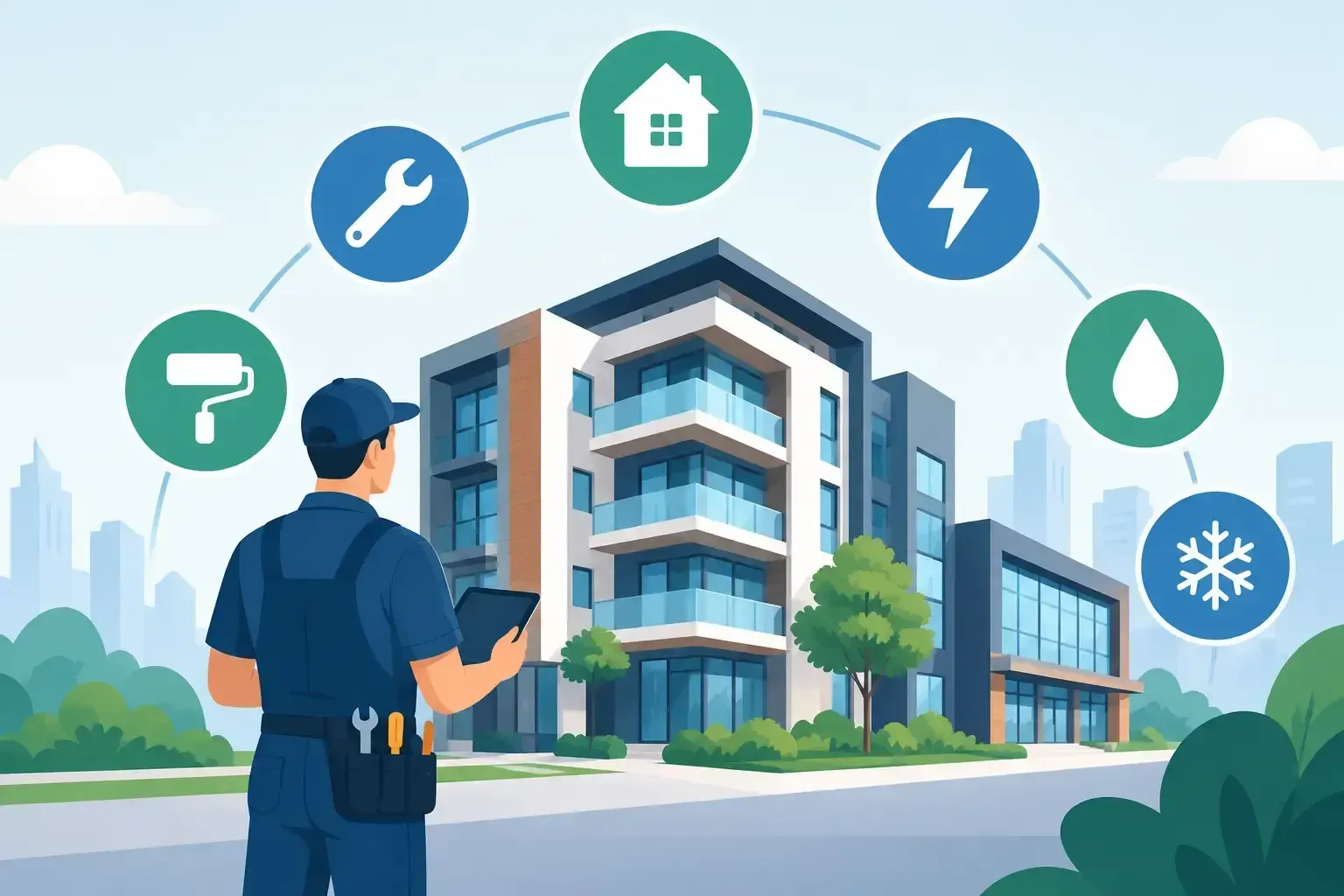
A failed furnace rarely stays just a furnace problem. It can expose an aging electrical connection, a clogged condensate drain, a damaged wall, or a tenant comfort issue that needs a quick, accountable response. The future of multi trade property services is built around handling those real-world connections without asking a homeowner or property manager to coordinate a different company for every step.
For Boise-area properties, that matters more each year. Seasonal temperature swings, irrigation demands, aging homes, rental turnover, and increasingly complex home systems all create maintenance needs that overlap. Property care is moving away from isolated repairs and toward a more organized model: one trusted provider who understands the property, knows when licensed work is required, and helps prevent small issues from becoming costly disruptions.
Why Property Maintenance Is Becoming More Connected
Homes are not a collection of unrelated systems. Electrical panels support HVAC equipment. HVAC performance affects moisture levels and indoor comfort. Sprinkler systems protect landscaping but require proper winterization and backflow testing. A loose handrail or water-damaged trim may be a handyman repair, but it can also point to a leak or safety concern that needs a closer look.
The traditional approach has been to call one specialist at a time. That can work well for a large, highly specialized project. But for routine maintenance and smaller repairs, it often creates delays, duplicate service calls, inconsistent communication, and uncertainty about who owns the next step.
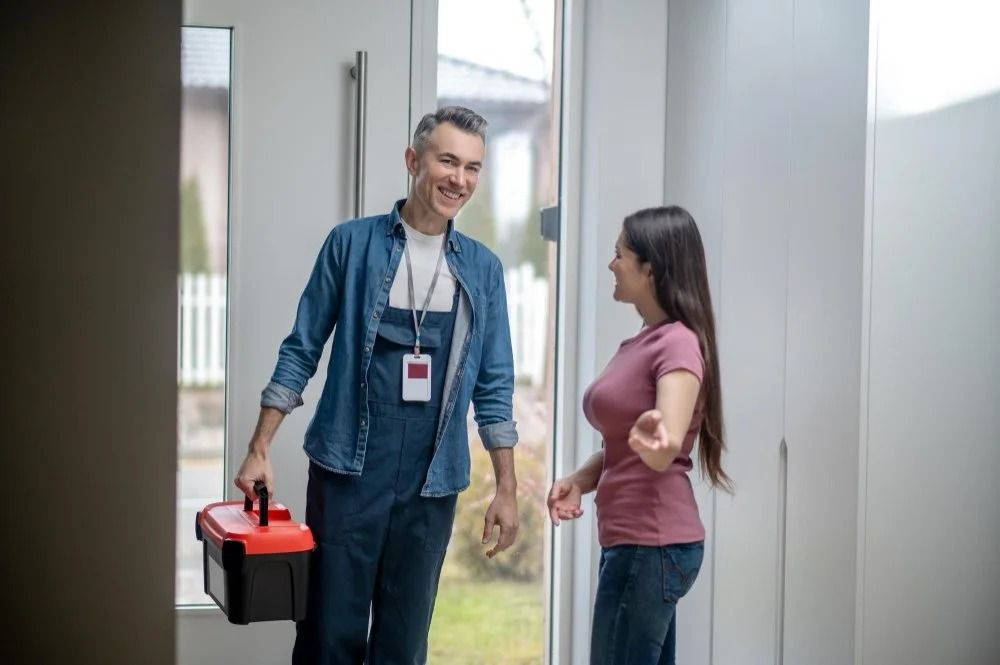
A multi-trade service model reduces that friction. Instead of starting from zero with every problem, a property owner has a single point of contact who can assess the situation, complete appropriate work, and bring in the right licensed expertise when the job crosses into regulated or safety-sensitive territory.
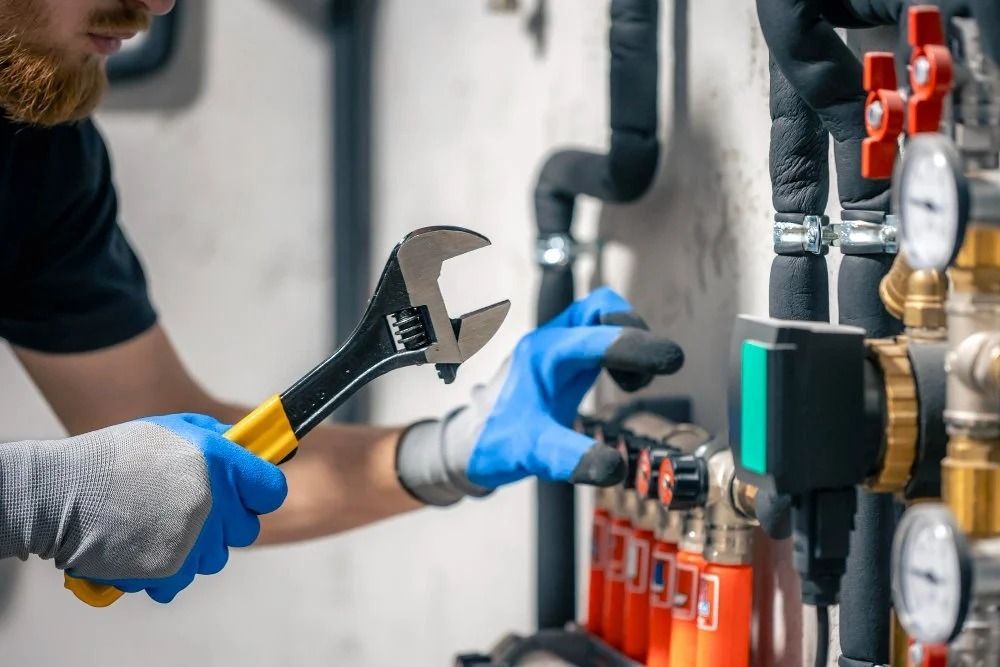
That does not mean one person should perform every task regardless of qualifications. The future is not about blurring trade lines. It is about coordinating them responsibly. Electrical work, HVAC service, and backflow testing each have technical and code requirements. A dependable multi-trade provider respects those limits while making the customer experience simpler.
The Future of Multi Trade Property Services Is Preventive
Emergency calls will always happen. A furnace can stop on a cold night, a sprinkler line can leak, and an outlet can fail without warning. Still, the strongest shift in property services is toward preventing predictable problems before they become urgent.
For homeowners, preventive care may look like seasonal HVAC maintenance, checking exterior fixtures before winter, testing backflow assemblies on schedule, and addressing small repairs while they are still small. For landlords and property managers, it means creating a repeatable maintenance calendar that protects the property, improves resident satisfaction, and makes budgets less unpredictable.
This approach is practical, not flashy. A scheduled inspection does not eliminate every repair, but it can reveal warning signs such as worn electrical components, restricted airflow, deteriorating caulking, weak irrigation coverage, or deferred safety repairs. Catching those conditions early gives owners more choices. They can plan the work, compare options, and avoid making rushed decisions during an emergency.
In Idaho, seasonal planning is especially valuable. Spring irrigation startup, summer cooling performance, fall furnace service, and sprinkler winterization each come with a different set of priorities. A provider that works across these systems can help organize the sequence so important maintenance does not get missed during a busy season.
Better Records Lead to Better Decisions
The most useful part of an ongoing property relationship is not just having someone to call. It is having a service history. When maintenance, repairs, inspections, and recommendations are documented over time, patterns become easier to see.
A property manager may notice that a particular rental has repeated drain-line issues, frequent thermostat calls, or recurring sprinkler repairs. A homeowner may learn that several small electrical updates would be smarter to address together than through separate trips. Accurate records support better planning and more honest conversations about what needs attention now, what can wait, and what should be watched.
Technology Will Help, but Accountability Still Matters
Smart thermostats, leak sensors, irrigation controllers, remote monitoring, and digital maintenance reminders will continue to shape property care. These tools can provide useful alerts and help owners use energy and water more efficiently. They can also make it easier to track conditions across several rental properties.
But technology does not replace professional judgment. A sensor can report a temperature change, but it cannot determine whether the issue is a dirty filter, failing equipment, a wiring concern, or an installation problem. An irrigation controller can follow a schedule, but it cannot repair a broken valve or verify that a backflow device is operating properly.
The best future service model combines useful technology with a qualified person who can inspect the actual system, explain the options in plain language, and stand behind the work. Homeowners should be cautious of services that promise a fully automated solution for problems that still require physical inspection, safe repairs, and code awareness.
Convenience Should Never Come at the Expense of Safety
Convenience is a major reason people choose multi-trade property services. One call instead of several calls saves time. Coordinated appointments reduce disruption. Familiarity with a property can speed up troubleshooting.
Still, convenience only has value when it is supported by proper licensing, insurance, and ethical business practices. This is particularly true for electrical work, HVAC repairs, and backflow services, where poor work can create safety risks, code issues, equipment damage, or liability concerns.
Property owners should expect clear communication about the scope of work. They should know whether a repair is straightforward, whether additional diagnostics are needed, and whether permits or specialized trade work apply. Transparent pricing matters too. Standard seasonal services can often have clear upfront pricing, while custom repairs should be quoted based on the condition of the property and the work required.
There is no one-size-fits-all answer. A simple outlet replacement is different from diagnosing a panel issue. A routine furnace tune-up is different from replacing aging equipment. A handyman repair may solve a cosmetic concern, while hidden moisture calls for broader investigation. Honest service means recognizing those differences rather than forcing every job into a standard package.
What This Means for Homeowners and Property Managers
The future of multi trade property services will favor providers that make ownership easier without oversimplifying the work. The goal is not to turn every property need into a subscription or convince owners to fix things that are still functioning well. The goal is to create a clear, reliable path from maintenance to repair to informed long-term planning.
For a homeowner, that may mean choosing one local team for seasonal system care and the repairs that naturally arise along the way. For a property manager, it may mean fewer vendor contacts, faster response to resident concerns, and a more consistent standard across the portfolio.
The right fit depends on the property and the level of support needed. A major remodel, specialized installation, or unusually complex system may still require a dedicated specialist. A capable multi-trade partner should say so clearly. Trust is built when a provider recommends the right solution, not simply the largest scope of work.
A More Practical Standard of Property Care
As homes become more connected and maintenance expectations rise, property service will be judged less by who can complete a single task and more by who can take responsible ownership of the whole situation. That includes showing up, communicating clearly, respecting the home, following code, and helping customers make sensible decisions.
For families, landlords, and property managers in Boise, Meridian, Eagle, Kuna, and Nampa, that standard offers something valuable: less time chasing contractors and more confidence that the property is being cared for with attention and accountability. The best next step is simple - treat maintenance as a plan, not a reaction, and choose professionals who make that plan easier to follow.