That diagnostic approach matters because heat pumps are more than outdoor air conditioners running backward. A part can be working well enough to avoid a complete shutdown while still causing high energy use and uneven comfort.
How Often Replace Smoke Detectors? Homeowner Guide
September 4, 2026
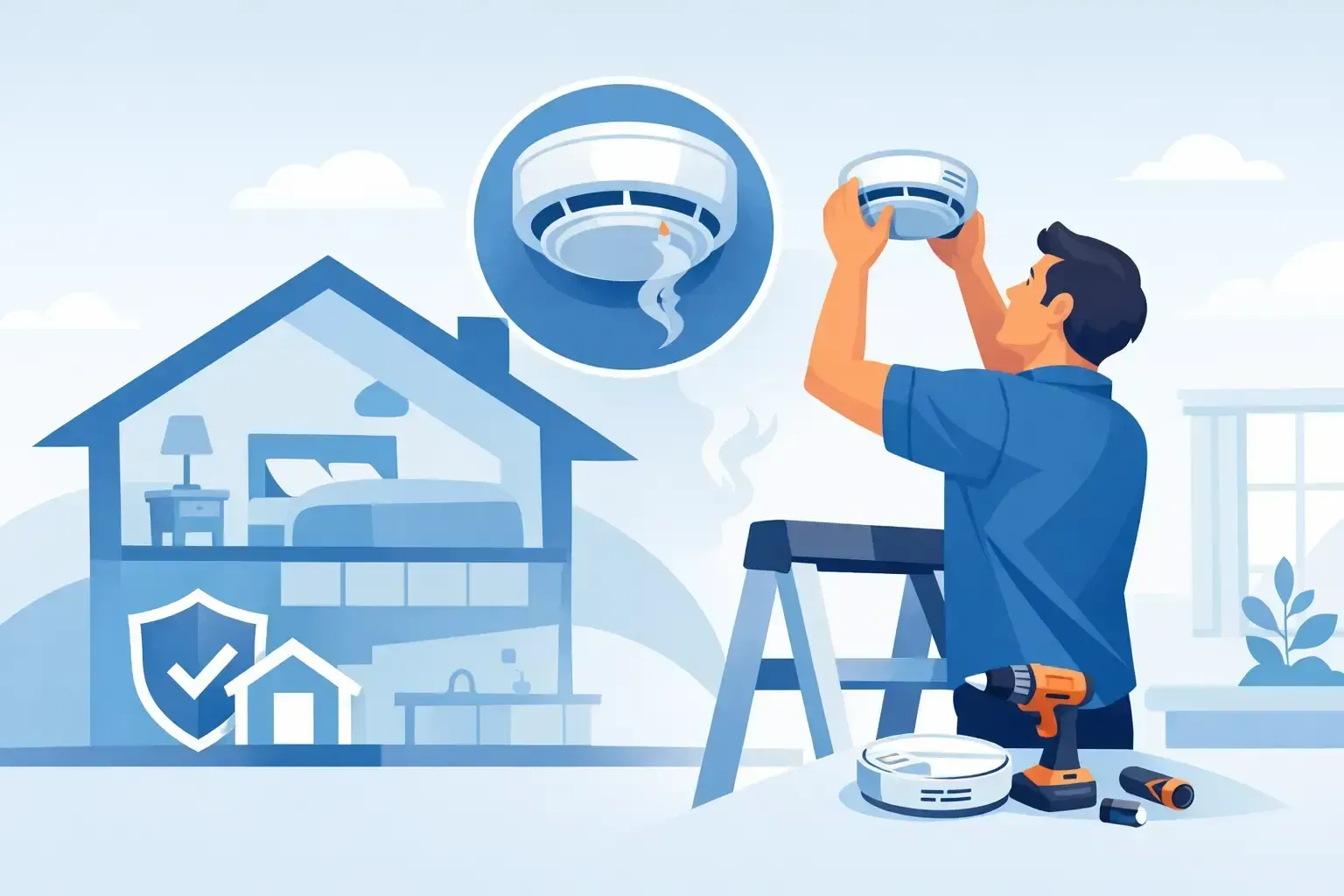
A smoke alarm can look perfectly normal on the ceiling long after the sensing components inside have reached the end of their useful life. That is why the answer to how often replace smoke detectors is not simply “when the battery dies.” For most homes, the replacement schedule is based on the alarm’s age, type, condition, and manufacturer instructions.
For Boise-area homeowners, landlords, and property managers, this is a small maintenance task with a serious purpose. Working smoke alarms provide early warning when seconds matter, and keeping them current is far less stressful than discovering a problem during an inspection, tenant turnover, or emergency.
How Often Should You Replace Smoke Detectors?
Replace most smoke alarms, including hardwired alarms with battery backup, every 10 years. The alarm may still chirp, test, or show a light after that point, but those basic functions do not confirm that its smoke-sensing chamber is still dependable.
The date you need is usually printed on the back of the unit. Remove the alarm from its mounting ring and look for a manufacturing date or an explicit “replace by” date. If the manufacturing date is 10 years old or more, replace it. If no date is visible and you cannot establish the alarm’s age, replacing it is the safer choice.
Carbon monoxide alarms have their own service life, which is commonly five to 10 years depending on the model. Combination smoke and carbon monoxide alarms should be replaced according to the shorter applicable lifespan listed by the manufacturer. Do not assume a new battery gives an older combination unit a new lease on life.
The 10-year rule applies to hardwired alarms, too
Hardwired smoke alarms receive household power, but they still rely on electronic sensors that wear out over time. Their backup batteries also need attention. A hardwired alarm that has power is not automatically a current, reliable alarm.
When several alarms were installed at the same time, replacing the whole group together is often practical. It keeps dates consistent, avoids a string of separate service calls, and helps ensure interconnected alarms work as intended throughout the home.
Replace the Battery, or Replace the Entire Alarm?
A battery issue and an end-of-life issue are different problems. If a newer alarm chirps at regular intervals, the battery may be low, improperly seated, or affected by dust or temperature changes. Replace the battery with the type recommended by the manufacturer, close the battery compartment completely, and test the alarm.
However, some models use sealed 10-year batteries. Those batteries are not designed to be replaced. Once the sealed battery is depleted or the unit signals end of life, the entire alarm needs replacement.
A useful rule is this: if the alarm is under 10 years old and the manufacturer permits battery replacement, address the battery first. If it is around 10 years old, repeatedly chirps after a fresh battery, or gives an end-of-life signal, plan to replace the unit rather than chasing a temporary fix.
Signs a Smoke Alarm Should Be Replaced Sooner
Ten years is the normal maximum lifespan, not a guarantee that every unit will last that long. Smoke alarms should be replaced earlier when they are damaged, unreliable, or exposed to conditions that can affect their performance.
Replace an alarm promptly if it has visible cracks, discoloration from heat or smoke, water damage, corrosion, loose wiring, or a damaged mounting connection. You should also replace it if the test button does not activate the alarm after you confirm power or install a fresh approved battery.
Frequent false alarms can also be a clue, although placement is often the real cause. An alarm too close to a kitchen, bathroom, fireplace, garage, or dusty work area may activate when it should not. Before disabling or removing an alarm, determine whether the location, alarm type, or condition needs to change.
Never paint a smoke alarm or cover its vents. Paint, dust, insects, and debris can interfere with the sensing chamber. Light vacuuming with a soft brush attachment or gentle cleaning according to the manufacturer instructions can help, but cleaning cannot restore an expired sensor.
Test Monthly and Check the Date Twice a Year
Replacement every 10 years does not eliminate routine maintenance. Press and hold the test button on every smoke alarm at least once a month. The alarm should sound loudly enough to be heard where people sleep. For interconnected systems, testing one unit may trigger the others, depending on the system design.
Twice a year, take a few additional minutes to check that each unit is securely mounted, clear of dust, and within its service life. Many homeowners use the spring and fall clock changes as a reminder, though any consistent date works. If your alarm uses a replaceable battery, follow the manufacturer’s battery guidance rather than replacing a good battery simply because the calendar changed.
For rental properties, document the test date, alarm condition, replacement date, and any tenant-reported concerns. This creates a clear maintenance record and makes turnover inspections more efficient.
Choose the Right Replacement Alarm
The replacement alarm should fit the location and electrical setup, not just the opening in the ceiling. Most homes benefit from photoelectric alarms in or near sleeping areas and in locations where smoldering fires are a concern. Ionization alarms can respond quickly to certain fast-flaming fires. Dual-sensor alarms combine both technologies, while combination units add carbon monoxide detection.
There are trade-offs. A photoelectric alarm near a kitchen may be less prone to nuisance alarms from normal cooking than some other options, but no smoke alarm should be placed so close to a cooking appliance that routine use makes residents ignore it. Follow the placement instructions for the specific model and local requirements.ces all matter. Devices have a limited service life, commonly around 10 years, even when they still chirp or test successfully. If alarms are missing, outdated, disconnected, or painted over, address them promptly. A professional can help determine whether a hardwired interconnected upgrade is practical for the home’s layout and existing wiring.
For hardwired systems, compatibility matters. Interconnected alarms may need to be from the same manufacturer or compatible product line. A new alarm can physically fit an existing mounting plate or plug but still fail to communicate correctly with the other alarms. When in doubt, replace the units as a matched system and have wiring concerns evaluated by a qualified electrical professional.
Where Smoke Alarms Matter Most
Smoke alarms are generally needed inside each sleeping room, outside separate sleeping areas, and on every level of the home, including basements. Larger homes, split-level layouts, finished basements, and homes with bedrooms on multiple floors may need additional coverage.
Exact requirements can vary based on the home’s age, layout, remodeling work, and applicable local code. A remodel that adds a bedroom, alters a basement, or requires an electrical permit can trigger updated smoke and carbon monoxide alarm requirements. For landlords and property managers, it is especially wise to verify requirements when preparing a unit for a new tenant or completing repairs after damage.
Avoid placing alarms near supply vents, ceiling fans, open windows, or areas with heavy steam, since moving air can delay smoke reaching the sensor or cause nuisance alarms. Placement details may seem minor, but they directly affect whether an alarm provides useful warning.
A Simple Replacement Plan for Your Home
Start by walking the property and making a quick list of every smoke and carbon monoxide alarm. Check the date on each one, identify whether it is battery-powered or hardwired, and note whether alarms are interconnected. Then replace every expired, damaged, or unidentifiable unit.
After installation, test each alarm and confirm that everyone in the household recognizes the sound and knows the exit plan. Smoke alarms are one layer of protection, not a substitute for an escape plan, clear exits, or careful use of electrical equipment and heating appliances.
If you are unsure about hardwired connections, recurring chirping, placement during a remodel, or whether a group of alarms is properly interconnected, M Property Services can help assess the electrical side of the system. The goal is straightforward: alarms that are current, correctly installed, and ready to do their job when your home needs them most.
A dated label on the back of an alarm is easy to overlook. Checking it now is a practical way to protect the people and property you are responsible for.