That diagnostic approach matters because heat pumps are more than outdoor air conditioners running backward. A part can be working well enough to avoid a complete shutdown while still causing high energy use and uneven comfort.
8 Best Home Safety Electrical Upgrades for Idaho Homes
September 6, 2026
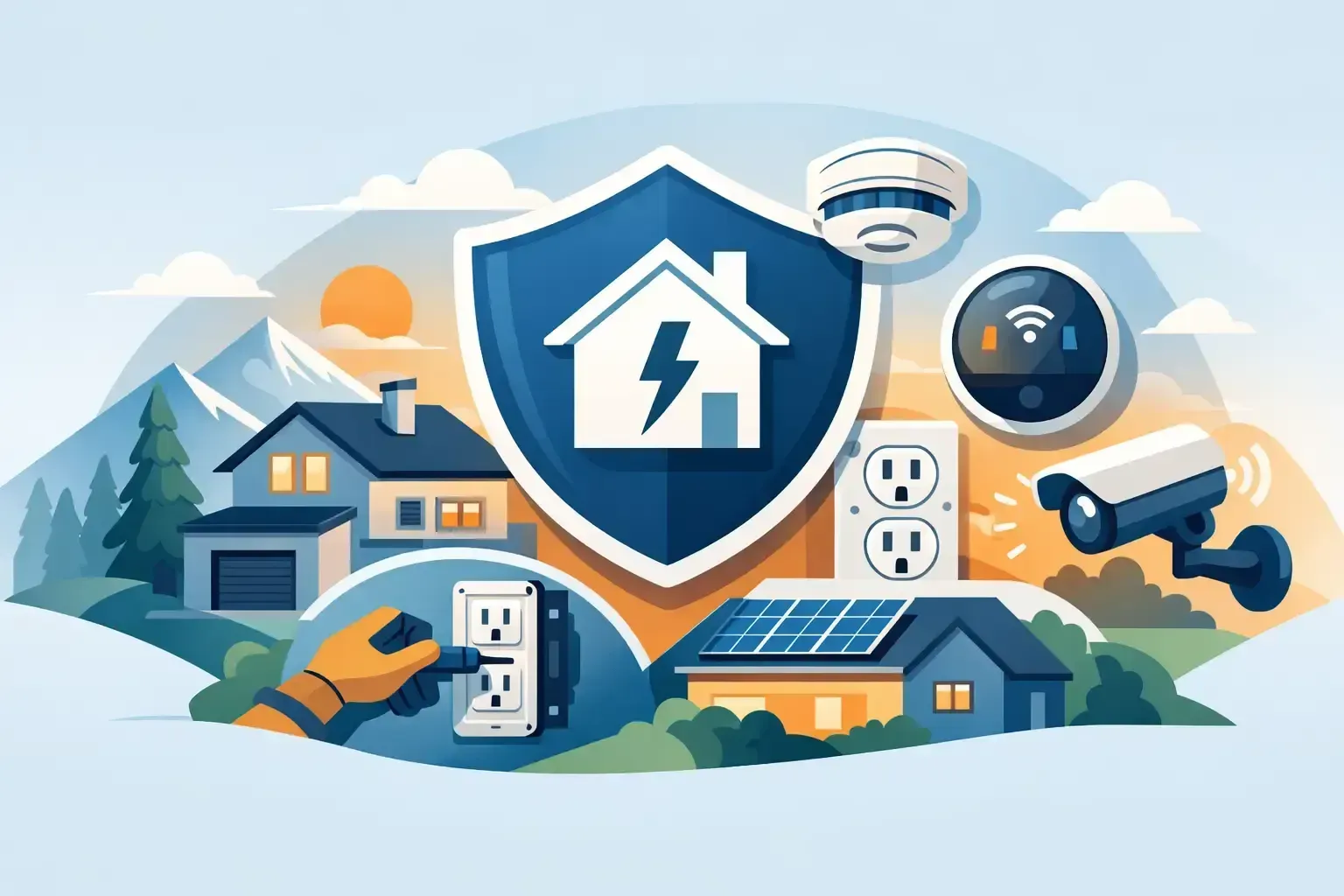
A bathroom outlet that trips every time a hair dryer runs, a warm switch plate, or a breaker that will not stay on is more than an inconvenience. These are signs your electrical system may need attention. The best home safety electrical upgrades reduce the risk of shock, electrical fire, and damage to the equipment your household relies on every day.
For Boise-area homeowners, landlords, and property managers, the right improvements depend on a building’s age, panel capacity, wiring type, and how the property is used. A 1960s home with two-prong receptacles has different needs than a newer rental with an overloaded garage circuit. The goal is not to replace everything at once. It is to correct genuine hazards first and make practical upgrades that protect the property over time.
1. Add GFCI Protection Where Water Is Nearby
Ground-fault circuit interrupters, usually called GFCIs, are one of the most valuable electrical safety improvements in a home. They monitor the flow of electricity and shut off power quickly when they detect a ground fault - the type of fault that can occur when electricity takes an unintended path through water or a person.
Current standards require GFCI protection in many areas where moisture is common, including bathrooms, kitchens, garages, unfinished basements, laundry areas, crawl spaces, exterior outlets, and outlets near sinks. Older homes may have standard receptacles in these locations, even if the rest of the electrical system appears to work normally.
A GFCI upgrade may involve replacing a receptacle, protecting downstream outlets from one properly located device, or installing a GFCI breaker. The right approach depends on the circuit layout. A licensed electrician can test what is actually protected rather than assuming a receptacle with a “test” button covers every outlet nearby.
2. Install AFCI Protection for Fire Prevention
Arc-fault circuit interrupters, or AFCIs, address a different risk. They are designed to detect dangerous electrical arcing that can happen when wiring is damaged, connections are loose, or a cord is pinched behind furniture. That kind of arcing can create heat inside walls or at outlets without immediately tripping a standard breaker.
AFCI protection is commonly used for living areas, bedrooms, hallways, and other spaces where everyday cords and concealed wiring see regular use. It is especially worth discussing during a panel upgrade, remodel, or when older circuits have recurring nuisance issues.
AFCIs can trip for legitimate reasons, but they should not simply be bypassed because the cause is inconvenient. A qualified electrician can determine whether the issue is a failing appliance, a damaged cord, a loose connection, or a circuit that needs repair. Safety devices do their job by responding to conditions a standard breaker may miss.
3. Replace Damaged, Loose, or Ungrounded Outlets
An outlet that feels loose when a plug is inserted is not a minor cosmetic issue. Loose contacts can create resistance and heat, especially with high-use appliances. Cracked covers, discolored receptacles, buzzing sounds, and outlets that intermittently stop working all deserve a prompt inspection.
Two-prong outlets are another common concern in older Idaho homes. They do not provide an equipment grounding path for modern three-prong appliances and electronics. Simply installing a three-slot receptacle does not create a ground. Depending on the circuit, a proper solution may include running a new grounded circuit, adding GFCI protection with required labeling, or upgrading the wiring during renovation work.
For homes with young children, tamper-resistant receptacles are a straightforward upgrade. Internal shutters block foreign objects from being inserted while allowing a normal plug to enter. They are a sensible choice when replacing worn outlets throughout a home or rental unit.
4. Upgrade an Overloaded or Outdated Electrical Panel
The electrical panel is the control center for the home. If it is undersized, damaged, corroded, improperly labeled, or full of double-tapped breakers and improvised additions, individual outlet upgrades will only go so far.
Warning signs include breakers that trip often, lights dimming when large appliances start, a panel that feels warm, rust or water staining, burning odors, or the need for frequent extension cords because there are too few circuits. Some older panel brands and equipment types may also warrant an evaluation because of known reliability concerns.
A panel upgrade is a larger investment, so it should be based on an actual load calculation and inspection, not guesswork. A household adding central air conditioning, a hot tub, workshop tools, an electric range, or an EV charger may need more capacity. In other cases, the panel is adequate but individual circuits need correction. Honest recommendations should separate what is required for safety from what is useful for future convenience.
5. Protect Electronics With a Whole-Home Surge Protector
Power strips with surge protection are useful at a desk or entertainment center, but they cannot protect every hardwired appliance in the home. A whole-home surge protective device is installed at or near the electrical panel to help reduce damage from voltage spikes caused by utility events, lightning activity, and large equipment cycling on and off.
This upgrade is particularly practical when a home has modern HVAC controls, smart appliances, garage door openers, irrigation controllers, and sensitive electronics. It is not a guarantee that equipment will survive every electrical event, and it does not replace point-of-use protection for high-value electronics. It does provide an additional layer of defense for systems that are expensive to repair or replace.
6. Put Smoke and Carbon Monoxide Alarms on a Reliable System
Smoke and carbon monoxide alarms are life-safety equipment, not an afterthought. Hardwired, interconnected alarms offer a major advantage over isolated battery-only units: when one alarm detects a problem, the others sound as well. That matters in larger homes, multi-level properties, and rental units where a hazard may start far from a bedroom.
Alarm placement, replacement dates, and power sources all matter. Devices have a limited service life, commonly around 10 years, even when they still chirp or test successfully. If alarms are missing, outdated, disconnected, or painted over, address them promptly. A professional can help determine whether a hardwired interconnected upgrade is practical for the home’s layout and existing wiring.
7. Add Dedicated Circuits for High-Demand Equipment
Many electrical issues begin when a circuit is asked to do more than it was designed to handle. Microwave ovens, portable heaters, window AC units, refrigerators, garage freezers, dishwashers, disposal units, and power tools can all place substantial demand on a shared circuit.
A dedicated circuit gives one major appliance its own properly sized electrical path. This reduces overloads, helps equipment perform reliably, and avoids the unsafe habit of relying on power strips or extension cords as permanent wiring. Portable heaters deserve special attention: they should plug directly into a wall outlet, not into an extension cord or multi-outlet adapter.
For landlords, dedicated circuits can also reduce avoidable service calls. If tenants repeatedly report tripped breakers in the kitchen, laundry room, or garage, the solution may be a circuit assessment rather than another breaker reset.
8. Use a Proper Transfer Switch for Backup Power
A portable generator can keep essential loads running during an outage, but it must never be connected to a home by plugging it into a dryer outlet, range outlet, or another improvised connection. This practice can energize utility lines, damage equipment, and create a serious danger for utility workers and anyone near the service.
A professionally installed transfer switch or interlock provides a controlled way to power selected circuits from a generator. It also prevents utility power and generator power from feeding the system at the same time. The best setup depends on whether you need to run a refrigerator, furnace blower, sump pump, well pump, medical equipment, or a few basic lights and outlets.
How to Decide Which Upgrade Comes First
Start with conditions that could indicate an immediate hazard. Burning smells, sparking, hot outlets or panels, frequent breaker trips, shocks or tingling from appliances, and visible wire damage should be evaluated without delay. Turn off power to the affected area if it is safe to do so, and do not keep resetting a breaker that continues to trip.
Next, prioritize protection in wet locations, deteriorated outlets, missing smoke or carbon monoxide alarms, and overloaded circuits. Panel modernization, whole-home surge protection, and backup-power equipment often make the most sense when paired with a remodel, appliance replacement, or planned electrical work.
Electrical work is not the place for trial and error. M Property Services helps homeowners and property managers identify practical, code-compliant improvements without pushing unnecessary work. A clear inspection and a written scope make it easier to plan repairs around safety, budget, and the long-term needs of the property.
A safer electrical system rarely comes from one dramatic change. It comes from correcting the small warning signs before they become expensive or dangerous problems.