That diagnostic approach matters because heat pumps are more than outdoor air conditioners running backward. A part can be working well enough to avoid a complete shutdown while still causing high energy use and uneven comfort.
Boise Rental Maintenance Checklist for Landlords
September 8, 2026

A rental rarely gives advance notice before a small issue becomes an expensive one. A loose toilet, a struggling furnace, a dripping sprinkler valve, or an overloaded electrical outlet can all create tenant frustration and property damage when left too long. This Boise rental maintenance checklist gives landlords and property managers a practical way to plan maintenance around the conditions local homes face.
The goal is not to inspect every inch of a property every month. It is to create a consistent routine, document what you find, and address safety or water-related issues before they turn into after-hours calls. A well-maintained rental also helps protect the property's condition, supports tenant retention, and makes turnovers less disruptive.
Start With a Clear Maintenance Record
Before scheduling work, keep one property record for each rental. Include appliance ages, HVAC service dates, filter sizes, water shutoff locations, electrical panel details, sprinkler and backflow records, warranties, and notes from prior repairs. Photos taken at move-in, move-out, and during major repairs help establish a reliable history.
This record is especially useful when more than one person manages the property. It prevents repeated troubleshooting, makes seasonal scheduling easier, and helps you decide whether a repair is still sensible or replacement should be considered. A dependable contractor should also be able to provide clear documentation of completed work and recommended next steps.
Monthly and Between-Tenant Checks
A brief monthly review can catch the issues tenants may not recognize as urgent. Ask tenants to report leaks, unusual sounds, heating or cooling concerns, tripped breakers, slow drains, damaged weatherstripping, and sprinkler problems promptly. Clear reporting expectations matter. Tenants should know how to handle a true emergency, such as active water damage, versus a routine repair request.
Between tenants, plan a more detailed inspection before the next move-in. Test every light switch, outlet, smoke alarm, carbon monoxide alarm, exhaust fan, door lock, window latch, and appliance that remains with the home. Look under sinks, around toilets, behind the refrigerator, and near the water heater for signs of moisture.
Pay close attention to items that are often missed during turnover cleaning: dryer vent buildup, worn caulk around tubs and showers, loose cabinet hardware, damaged blinds, failing door sweeps, and gutters blocked by debris. These are relatively small corrections, but they affect safety, moisture control, and a new tenant's first impression.
Boise Rental Maintenance Checklist for Every Season
Boise-area rentals experience cold winters, hot dry summers, and seasonal irrigation demands. A calendar-based approach is more reliable than waiting for a tenant to report a failure.
Spring: Inspect Winter Wear and Prepare Irrigation
As temperatures stabilize, inspect the exterior for winter damage. Check roof edges, gutters, downspouts, siding, walkways, handrails, fences, and exterior hose bibs. Water should drain away from the foundation, not collect beside it. Repairing a loose downspout extension is far easier than addressing moisture intrusion later.
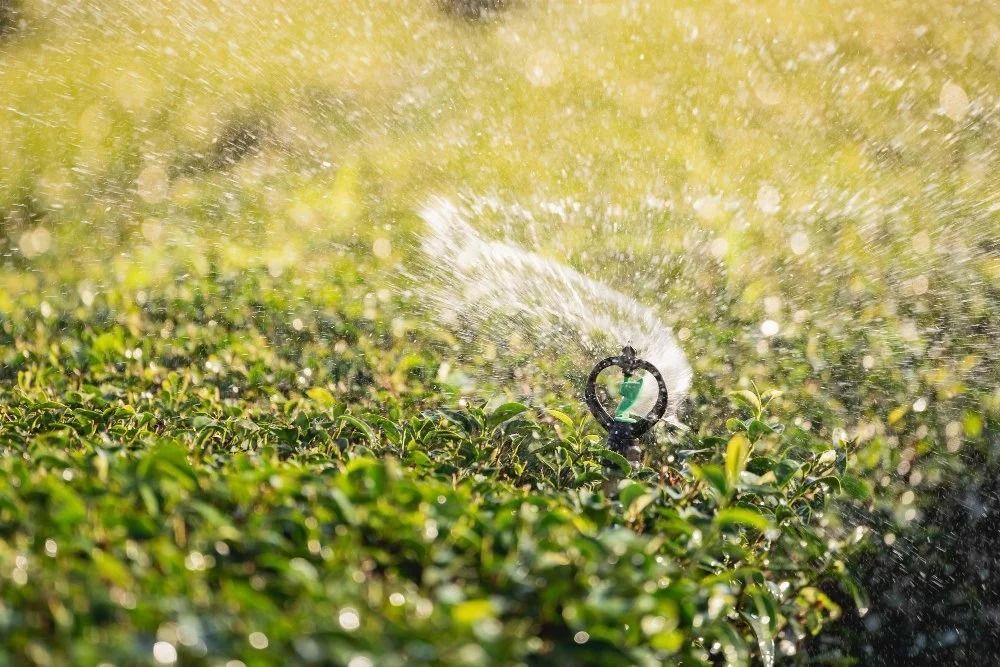
Spring is also the right time to prepare sprinkler systems. Inspect visible heads, valves, lines, and controllers for freeze damage or leaks. Confirm spray patterns are not hitting siding, fences, driveways, or neighboring property. Poorly aimed irrigation wastes water and can create slippery surfaces or ongoing exterior moisture problems.
If the property has a backflow assembly, keep required testing and documentation on schedule. Requirements can vary by water provider and system type, so do not assume a prior year's timing applies indefinitely. Backflow work should be handled by a qualified professional familiar with the applicable requirements.
Summer: Protect Cooling, Electrical, and Exterior Systems
Hot weather puts HVAC equipment under real demand. Replace or inspect filters on the schedule appropriate for the system and occupancy. A dirty filter can restrict airflow, reduce comfort, and place unnecessary strain on equipment. During an HVAC maintenance visit, a technician can identify worn components, drainage concerns, and performance issues before a heat-wave breakdown.
Summer is also a good time to inspect exterior outlets, lighting, deck stairs, railings, gates, and irrigation coverage. Check for overgrown landscaping around HVAC equipment and electrical components. Equipment needs adequate clearance and airflow, and tenants should not store boxes, furniture, or yard materials against it.
Electrical concerns deserve prompt attention. Frequent breaker trips, warm outlets, flickering lights, buzzing switches, or extension cords used as permanent solutions should not be treated as normal rental wear. These can signal a load issue, damaged device, or wiring concern that requires a licensed electrical professional.
Fall: Prepare Before the First Hard Freeze
Fall maintenance is where many Idaho rental owners avoid costly winter problems. Schedule furnace maintenance before the heating season is in full swing. Confirm the thermostat operates properly, the filter is clean, vents are open and unobstructed, and carbon monoxide alarms are working.
Winterize irrigation systems before freezing conditions arrive. Proper sprinkler blowouts help reduce the risk of cracked lines, damaged valves, and spring startup surprises. Shut down and protect outdoor water features as appropriate for the property.
Walk the exterior again and look for gaps around doors, windows, utility penetrations, and garage doors. Weatherstripping and caulk are not glamorous repairs, but they can reduce drafts and moisture exposure. Also inspect attic access, crawlspace vents, and garage conditions where cold air or pests may enter.
Winter: Focus on Heat, Water, and Access
During winter, the priorities are reliable heat, protected plumbing, and safe access. Remind tenants to maintain reasonable indoor temperatures, report heating issues immediately, and notify management if they will be away for an extended period. Vacant rentals need their own cold-weather plan, including monitored heat and periodic checks.
Inspect for ice-related hazards at entrances, walkways, and exterior stairs. Make sure tenants know who is responsible for snow and ice removal under the lease, but do not rely on unclear language when conditions are hazardous. Prompt communication and a documented plan reduce confusion.
Watch for signs of frozen or leaking pipes, including reduced water flow, damp cabinets, unexplained utility increases, or water stains. If there is an active leak, fast action matters more than diagnosing the cause over the phone. Knowing where the main water shutoff is located can limit damage while help is on the way.
Do Not Overlook Life-Safety Items
Some maintenance tasks are not optional from a practical risk standpoint. Smoke alarms and carbon monoxide alarms should be tested regularly, with batteries replaced as needed and expired units replaced according to manufacturer guidance. Keep records of testing and replacement dates.
Check that exterior doors lock correctly and that bedroom egress windows open as intended. Handrails should be secure, stair treads stable, and exterior lighting functional. In older properties, electrical panels, outlets, and fixtures deserve extra attention because age, past repairs, and changing tenant usage can expose problems that were not obvious at move-in.
For any electrical repair, panel work, or concern involving wiring, use a licensed and insured professional. Quick fixes on code-sensitive systems can create more risk than value.
Build a Repair Priority System
Not every maintenance request needs the same response time. A useful system separates emergencies from urgent repairs and routine work. Active leaks, loss of heat in cold weather, electrical burning smells, exposed wiring, sewer backups, and security failures require immediate action. HVAC performance concerns, running toilets, damaged handrails, and appliance problems may be urgent but can often be scheduled quickly. Cosmetic repairs and minor adjustments can usually be grouped into a planned service visit.
Grouping routine handyman work can save time and reduce disruption, but do not bundle away a safety issue just to wait for a convenient appointment. The trade-off is simple: planned maintenance is efficient, while delayed maintenance can be expensive.
Choose Help That Matches the Work
Rental maintenance often crosses trade lines. A tenant may report that a bathroom fan is noisy, a light flickers, and the home feels humid. Those are separate symptoms, but they may be best addressed during a coordinated review rather than three unrelated visits.
For landlords who value one accountable point of contact, M Property Services provides electrical, HVAC, handyman, and sprinkler/backflow services for many of the recurring needs that arise in local rentals. Ask for clear scope, pricing expectations, and documentation so you know what was found, what was repaired, and what should be monitored next.
The best maintenance checklist is the one you actually use. Put seasonal dates on the calendar, keep records with the property file, and treat small warning signs as opportunities to protect both your rental and the people living in it.