That diagnostic approach matters because heat pumps are more than outdoor air conditioners running backward. A part can be working well enough to avoid a complete shutdown while still causing high energy use and uneven comfort.
A Landlord's Guide to Rental Property Repairs
September 10, 2026
A rental repair rarely starts as a major problem. A tenant mentions a dripping faucet, a breaker that trips once, or a room that feels warmer than the rest of the home. A practical guide to rental property repairs helps you treat those early reports seriously, document the issue, and choose the right level of response before a small concern becomes water damage, a safety hazard, or an unhappy tenant.
For landlords and property managers, repairs are not only an expense. They are part of protecting the property, meeting habitability expectations, retaining good tenants, and avoiding the disruption of an emergency call after hours. The goal is not to repair everything at the highest possible cost. It is to make safe, durable decisions at the right time.
Start With Safety, Water, and Heat
Not every repair has the same urgency. A scuffed wall or loose cabinet pull can usually wait for scheduled maintenance. A leaking supply line, sparking outlet, loss of heat in cold weather, sewage backup, or suspected gas issue cannot.
When a tenant reports a problem, first determine whether anyone is at risk or whether the home could sustain immediate damage. Water, electricity, heating and cooling failures, and plumbing backups deserve prompt attention because the cost of waiting can rise quickly. A slow leak under a sink may damage the cabinet, flooring, and subfloor long before it becomes visible elsewhere.
Ask tenants to provide clear details: when the issue began, what they saw or heard, whether it is getting worse, and whether there is active leaking, burning odor, smoke, or loss of an essential service. Photos and short videos are useful for documenting the condition and helping a qualified professional arrive prepared.
For true emergencies, give tenants straightforward instructions. They should know where the main water shutoff is located, when to turn off a breaker, and when to leave the home and call emergency services. Do not ask a tenant to investigate electrical panels, HVAC equipment, or plumbing beyond basic, safe steps.
Build a Repair Process Before the Next Call
The most efficient rental owners do not make every decision from scratch. They have a simple process for receiving requests, authorizing work, and closing the loop with the tenant.
A written maintenance policy should explain how tenants submit non-emergency requests, what counts as an emergency, and how access will be coordinated. It should also make clear that tenants need to report leaks, electrical concerns, heating issues, and damage promptly. Delayed reporting can turn a manageable repair into a costly restoration project.
Once a request comes in, record the date, the tenant's description, photos, your response, and the work performed. Keep invoices, inspection notes, warranties, and before-and-after photos with the property file. Good records help you monitor recurring issues, support accounting, and demonstrate that concerns were addressed responsibly.
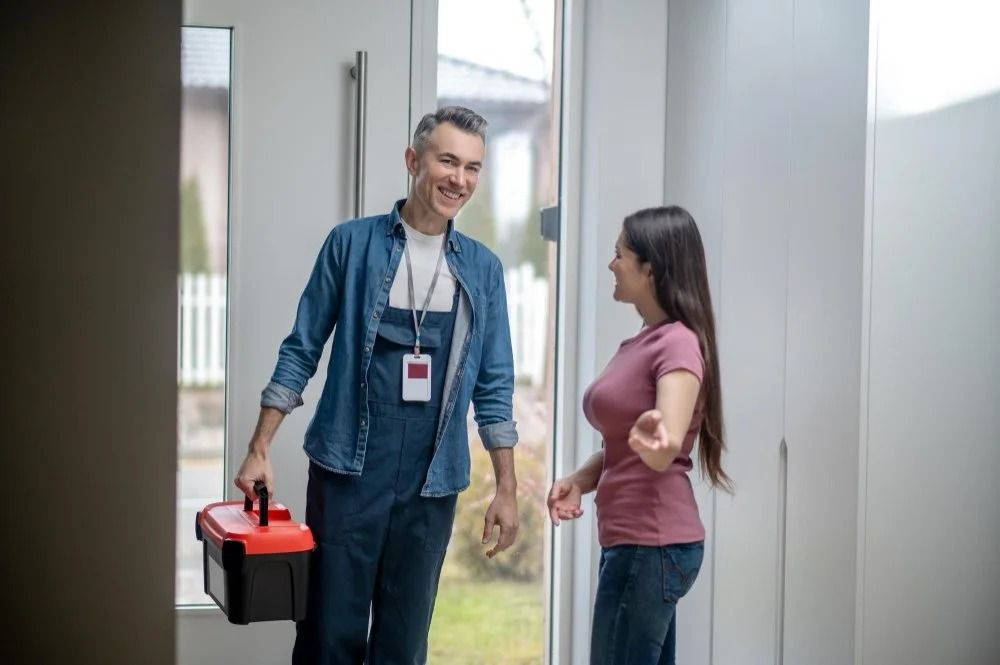
Communication matters as much as the repair itself. Tell the tenant when someone will arrive, what work is expected, and whether they need to prepare the area. If a part must be ordered, explain that clearly rather than leaving the request open-ended. A tenant does not need a technical lecture, but they do need to know the issue is being handled.
Know When a Handyman Repair Is Enough
Many rental repairs are routine and can be completed during a scheduled visit. Loose hardware, damaged weatherstripping, minor drywall patches, sticking doors, worn caulk, broken blinds, and small fence or gate repairs often fall into this category. Grouping these items into one visit can reduce repeated service charges and minimize tenant interruptions.
The trade-off is that a low-cost temporary fix is not always the best value. Recaulking a tub may solve a surface issue, but soft walls, recurring mildew, or loose tile can point to hidden moisture that needs a closer look. Replacing one cracked outlet cover is simple. Repeatedly tripping breakers, warm outlets, or flickering lights are not cosmetic concerns and should not be treated as one.
A good rule is to repair the cause, not just the visible symptom. If the same problem appears more than once, ask why. The answer may be an aging component, an installation issue, tenant use, poor drainage, or a system approaching the end of its service life.
Use licensed professionals for code-sensitive work
Electrical work, HVAC service, plumbing changes, and backflow-related services can involve safety rules, permits, manufacturer requirements, and local code considerations. Choosing the lowest bid without confirming qualifications can create more risk than savings.
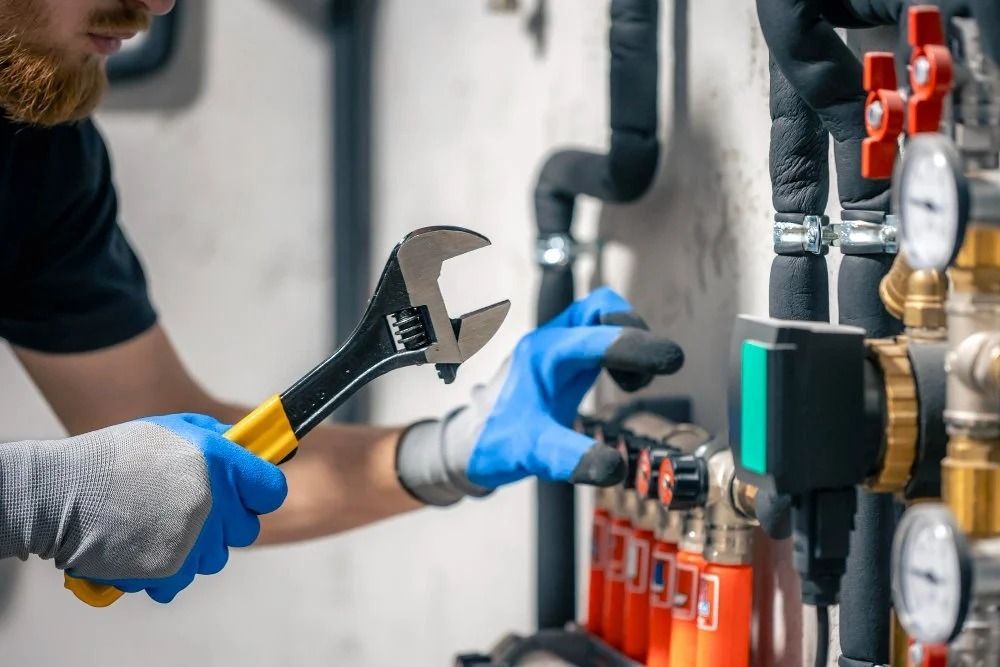
For electrical concerns, use a licensed professional when the issue involves circuits, panels, outlets that overheat, damaged wiring, or repeated breaker trips. For HVAC, address inconsistent heating or cooling, poor airflow, unusual noises, water around equipment, and equipment that cycles frequently. Preventive service can often identify wear before a system fails during a weather extreme.
In Boise-area rentals with irrigation systems, sprinkler maintenance and winterization deserve attention before freezing conditions arrive. A damaged backflow assembly or unprotected irrigation line can result in a preventable repair when spring arrives. These are practical seasonal tasks, not optional finishing touches.
Make Preventive Maintenance Part of the Budget
Repair costs are easier to manage when maintenance is planned rather than postponed. Every property will need repairs over time, especially older homes, but predictable seasonal care reduces surprise failures.
Schedule an inspection at turnover and conduct periodic property checks in accordance with your lease terms and applicable requirements. Look for signs of leaking under sinks, deteriorated caulk, loose toilets, slow drains, damaged flooring, loose handrails, worn smoke and carbon monoxide detector batteries, HVAC filter needs, and exterior drainage problems. The purpose is not to search for minor lease violations. It is to catch building issues while they are still small.
A useful annual maintenance plan usually includes HVAC service, filter replacement as needed, smoke and carbon monoxide detector checks, gutter and drainage review, weatherstripping inspection, plumbing leak checks, and irrigation service. The exact schedule depends on the property, its age, tenant responsibilities under the lease, and whether the home has systems such as a sprinkler system, heat pump, or older electrical equipment.
Budgeting should include both planned maintenance and a reserve for unexpected repairs. Rental income is not fully available income if the home has a failing water heater or an aging furnace. Setting aside funds monthly gives you more freedom to choose a proper repair instead of a rushed patch when something fails.
Handle Turnovers With More Than a Cosmetic Checklist
Turnover is one of the best times to inspect systems that are hard to evaluate while a home is occupied. It is also when owners can unintentionally miss issues by focusing only on paint and cleaning.
Test outlets and switches, run faucets and drains, inspect under sinks, check appliance connections, operate exhaust fans, verify doors and windows latch correctly, and look closely at bathrooms for moisture damage. Review the water heater area, HVAC filters and condensate drainage, exterior hose bibs, railings, and irrigation controls where applicable.
This is also the right time to distinguish normal wear from tenant-caused damage. Normal wear may include lightly worn carpet, faded paint, or aging caulk. Large holes in walls, broken fixtures caused by misuse, unauthorized alterations, or damage from an unreported leak may be different. Document the condition carefully and follow the lease and applicable laws when handling deposits. If the situation is unclear, avoid assumptions and keep the discussion factual.
Choose Contractors Who Make Ownership Easier
Rental owners need more than someone who can make a problem disappear for the day. They need a service provider who communicates clearly, shows up as scheduled, provides straightforward pricing, and understands the difference between a repair that can wait and one that needs immediate attention.
Ask whether the contractor is licensed and insured when the work requires it, whether they provide written estimates for larger work, and whether they can document what was found and repaired. For properties with multiple needs, coordinating separate electrical, HVAC, handyman, and sprinkler providers can create delays and confusion. A multi-trade property service partner can simplify scheduling and give you one accountable point of contact.
M Property Services supports rental owners and property managers with electrical, HVAC, handyman, and sprinkler and backflow services, helping reduce the burden of coordinating several contractors for everyday property needs.
A Repair Decision That Protects the Next Tenant Too
The right repair decision is rarely just about today's invoice. It affects the tenant living in the home now, the condition of the property at turnover, and the amount of stress waiting for you next season. Respond quickly to safety and water concerns, document every step, maintain systems before they fail, and bring in qualified help when the work affects code, safety, or essential equipment.
That approach creates a rental home people want to stay in and an investment that is easier to own.