That diagnostic approach matters because heat pumps are more than outdoor air conditioners running backward. A part can be working well enough to avoid a complete shutdown while still causing high energy use and uneven comfort.
If your irrigation system is due for testing, treat the appointment as a practical part of spring property care. A properly tested assembly gives you one less thing to worry about when it is time to turn the water on and enjoy the season.
Guide to Sprinkler Spring Startup in Boise
August 13, 2026

A frozen pipe can stay hidden all winter, then announce itself the moment water returns to the system. That is why a careful guide to sprinkler spring startup matters for Boise-area homeowners, landlords, and property managers. Turning the water on is only one part of the job. A proper startup checks for freeze damage, protects the backflow assembly, confirms every zone works as intended, and catches waste before it shows up as a high water bill or a soaked foundation bed.
Why spring startup deserves more than a quick turn of the valve
Idaho winters are hard on irrigation systems. Even a professionally winterized sprinkler system can develop issues between fall shutdown and spring activation. Soil shifts, valve seals dry out, rodents damage wiring, and a hard freeze can expose a weak fitting that held together the previous season.
The goal is not simply to get sprinklers spraying. It is to restore pressure gradually and verify that the system delivers water where the landscape needs it - not onto sidewalks, siding, driveways, or neighboring property. For rental properties and homes with mature landscaping, early detection can prevent a small repair from becoming turf loss, water damage, or a costly emergency call.
Timing depends on the weather. In the Boise metro area, many systems can be started in spring after the risk of sustained hard freezes has passed. A warm afternoon in March does not necessarily mean the system is safe to activate. If overnight temperatures are still dropping well below freezing, waiting is often the better decision. A spring startup can be delayed; a cracked backflow device is more expensive to repair.
Before you start the sprinkler system
Walk the property before opening any irrigation valves. Look for broken sprinkler heads, exposed drip tubing, sunken valve boxes, damaged wires, and areas where winter snow removal may have disturbed components. Pay special attention to heads near driveways, sidewalks, garden borders, and areas where children or pets play.
Locate the main irrigation shutoff, backflow assembly, controller, valve boxes, and any drain valves. If you are not sure where these components are, do not force anything. Irrigation systems vary widely, and a valve that looks like part of the sprinkler system may serve another fixture or irrigation branch.
Check the controller first. Make sure it has power, the date and time are accurate, and its seasonal adjustment has not been left at a winter setting. Many owners find that a controller has reset after a power outage, which can lead to skipped zones, excessive run times, or watering at the wrong time of day.
It also helps to clear leaves, soil, and debris away from valve boxes and the backflow area. You need clear access if a fitting begins leaking during startup. Avoid burying the backflow device under mulch or landscaping materials. It should remain accessible for inspection, service, and required testing.
Inspect the backflow assembly closely
The backflow preventer protects the potable water supply from irrigation water flowing backward into the home’s plumbing. Because it is exposed and contains internal components, it is one of the most vulnerable parts of a sprinkler system after winter.
Look for visible cracks, split fittings, loose unions, corrosion, or damaged handles. Both shutoff valves should be in the correct position for startup, but the exact configuration depends on the assembly and how it was winterized. If there is any uncertainty, stop before pressurizing the system. Forcing a valve or opening it in the wrong sequence can damage seals or create a sudden leak.
Backflow assemblies also require proper testing under applicable local requirements. A startup inspection may reveal obvious damage, but it does not replace certified backflow testing where testing is required. This is one area where professional, code-aware service provides real protection for the property and water supply.
Guide to sprinkler spring startup: a safe sequence
Once the weather is appropriate and the system has passed a visual inspection, introduce water slowly. Fast pressurization can stress fittings, valves, and sprinkler heads, especially if air remains in the lines.
Start by confirming that all manual zone valves are closed and the irrigation controller is set to off. Then open the main irrigation supply valve gradually. Do not snap it fully open. Move slowly enough that water can fill the lines and pressure can stabilize. Listen for rushing water, hissing, or unusual vibration around the shutoff and backflow assembly.
After the main supply is open, inspect the backflow device and nearby connections for leaks. A few drops from a fitting may indicate a loose connection or worn seal. Steady dripping, spraying, pooling water, or a drop in pressure means the system should be shut down and repaired before testing zones.
If the backflow assembly is dry and stable, open the downstream valve slowly according to the system’s setup. Again, pause and watch for leakage. This step-by-step approach takes a few extra minutes, but it is much safer than discovering a cracked component after water has been running unchecked.
Test one zone at a time
Use the controller’s manual test feature to run each zone separately. Stay outside while the zone is active. A zone that appears to run from the controller may still have poor coverage, a broken head, or a valve problem that requires attention.
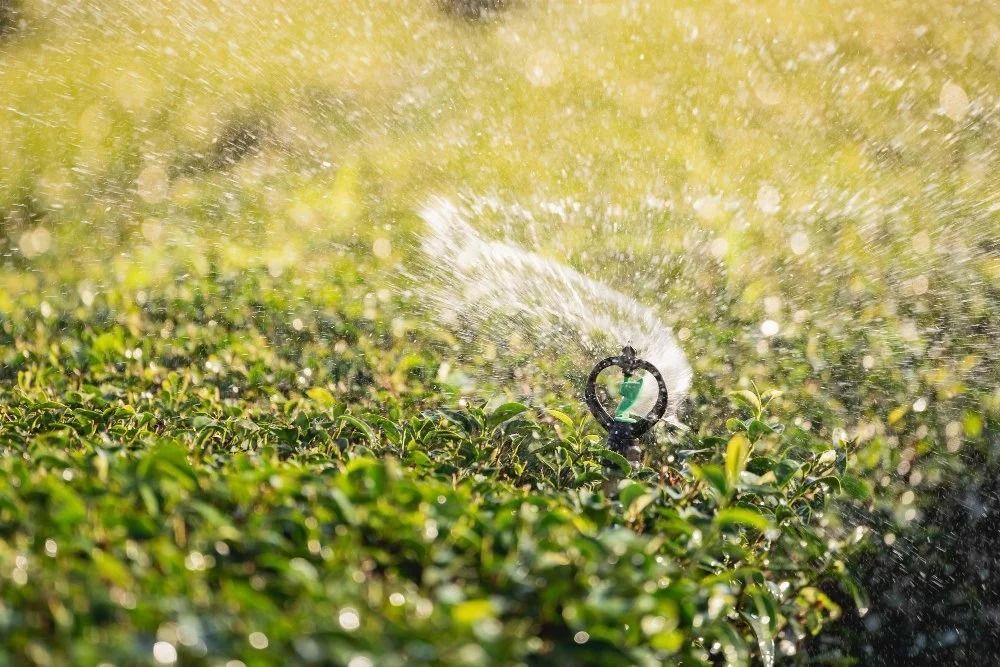
As each zone operates, check that sprinkler heads pop up fully, rotate properly, and retract when the zone shuts off. Look for geysers, weak spray patterns, heads that spray directly into fences or windows, and water collecting near the foundation. Check drip zones too. Drip leaks can be quiet and easy to miss, yet they can waste a surprising amount of water over a season.
Make note of any zones that fail to activate. The cause might be a closed valve, damaged solenoid, wiring issue, controller programming problem, or a stuck valve. The repair path depends on the symptom, so documenting what happened during the test helps avoid guesswork later.
A simple property walk during each zone can reveal common problems:
- Broken or tilted heads caused by mowers, snow removal, or foot traffic
- Nozzles clogged with dirt, mineral buildup, or small debris
- Low-pressure areas that may point to a leak or partially closed valve
- Overspray on pavement, structures, or areas that do not need irrigation
- Soggy spots or unusually green patches that suggest a buried line leak
Do not ignore a zone that seems to run normally but leaves dry sections behind. Uneven coverage is not just a landscaping issue. It can lead to repeated overwatering as owners try to compensate, increasing water use while still stressing plants and turf.
Set the controller for spring, not summer
A system can be mechanically sound and still waste water through poor scheduling. Spring landscapes generally need far less water than they will during Boise’s hotter, drier summer weather. Recent rainfall, soil type, shade, slope, plant type, and sprinkler design all affect the right schedule.
Start conservatively. Water early in the morning and adjust after observing the landscape for a week or two. If soil stays soggy, reduce run time or frequency. If turf shows dry stress between watering days, increase gradually rather than making a large jump. Established lawns, new sod, garden beds, and drip-irrigated shrubs should not automatically receive the same schedule.
For slopes or heavy clay soil, shorter cycle-and-soak watering can reduce runoff. Instead of one long run, divide the total run time into shorter cycles with a pause between them. This gives water time to soak in rather than flowing down a driveway or into the street.
Check the rain sensor, if your system has one, and replace the controller backup battery if applicable. It is also wise to label zones clearly. For landlords and property managers, clear zone labels make seasonal adjustments and service calls faster, particularly when someone else is overseeing the property.
When a professional startup is the practical choice
Many homeowners can handle a basic startup on a simple, well-maintained system. However, professional help is often the safer choice when there is a damaged backflow assembly, an unknown valve layout, repeated low-pressure problems, electrical controller issues, a suspected underground leak, or a system that was not properly winterized.
A qualified technician can activate the system methodically, identify repair needs, adjust heads for efficient coverage, and address backflow requirements without treating the job as a quick valve turn. That matters for owners who want one accountable provider rather than separate calls for irrigation, electrical controls, and general property repairs. M Property Services provides this kind of practical, local support for properties that need dependable seasonal care.
Keep a short record of startup findings, repairs, and controller settings. Next spring, that record can save time and make it easier to spot a recurring issue. The best spring startup leaves you with more than green grass - it leaves you confident that the system is operating safely, efficiently, and on your terms.