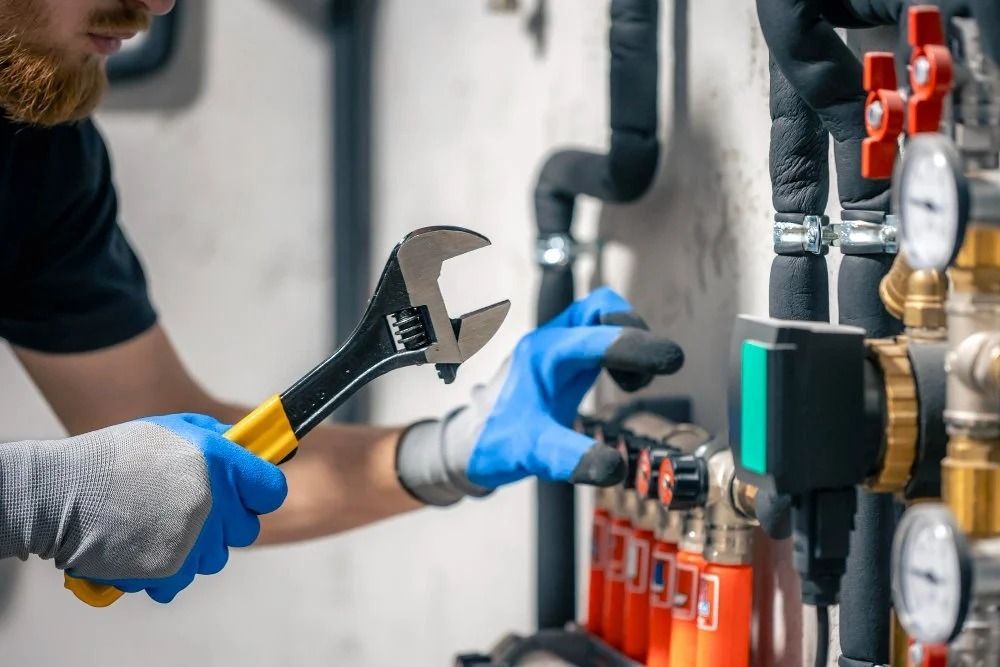
That diagnostic approach matters because heat pumps are more than outdoor air conditioners running backward. A part can be working well enough to avoid a complete shutdown while still causing high energy use and uneven comfort.
If your irrigation system is due for testing, treat the appointment as a practical part of spring property care. A properly tested assembly gives you one less thing to worry about when it is time to turn the water on and enjoy the season.
Electrical Code Compliance Checklist for Homes
August 11, 2026
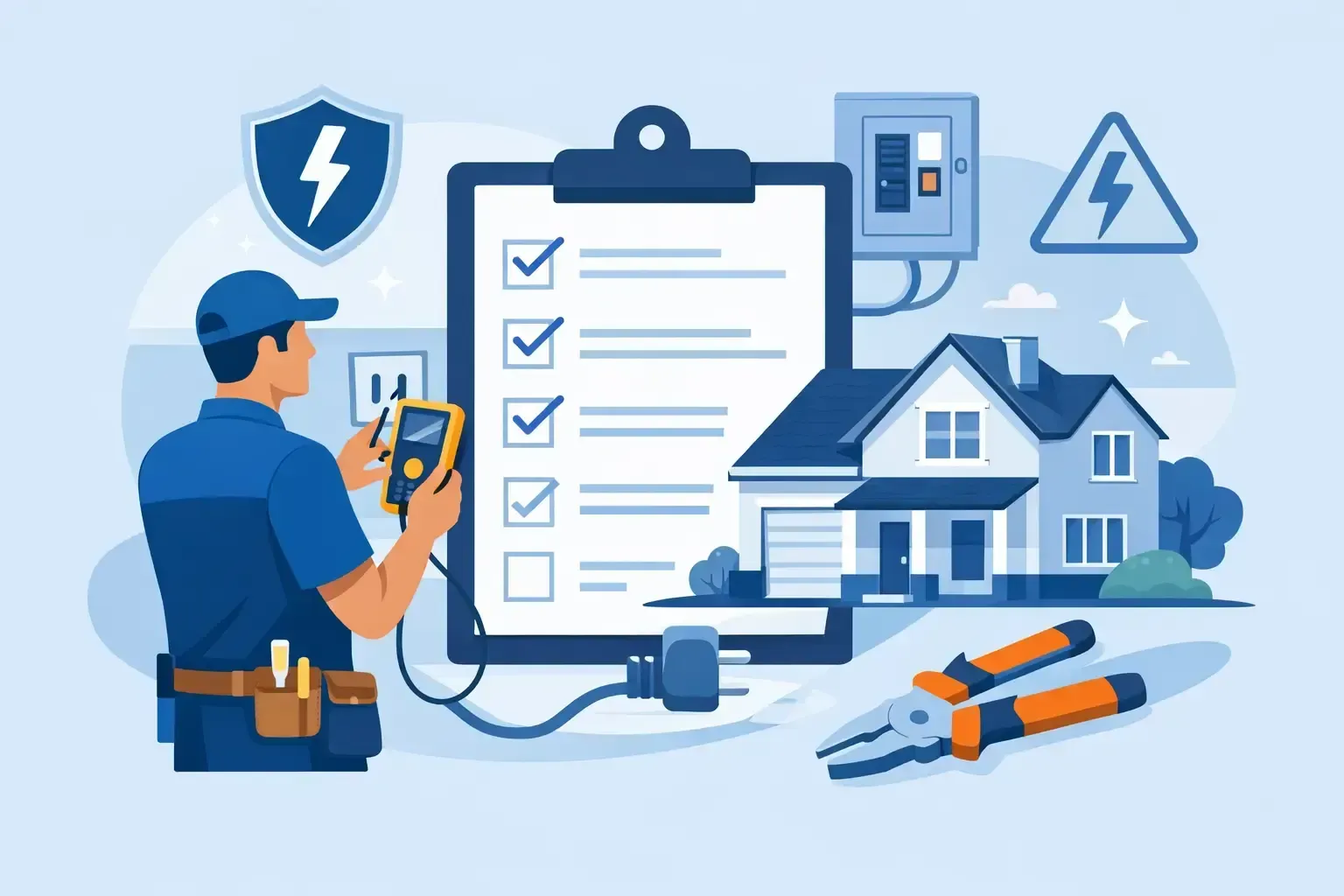
A flickering light, a warm outlet cover, or a breaker that trips every few days is more than an inconvenience. It can be an early warning that part of your electrical system needs attention. This electrical code compliance checklist helps Boise-area homeowners and property managers identify concerns worth addressing before they become a safety issue, a failed inspection, or an expensive emergency repair.
Electrical codes are designed to reduce shock, fire, and equipment hazards. They also change over time. A home built decades ago is not automatically unsafe because it does not match every rule used in new construction, but repairs, additions, panel upgrades, and major remodels can trigger current code requirements. The right answer depends on the age of the home, the scope of work, the local authority having jurisdiction, and whether permits are required.
Start With the Service Panel
Your electrical panel is the control center for the home. A compliant, well-maintained panel should be accessible, clearly labeled, and free of obvious damage or moisture. Homeowners should not remove the panel cover or attempt repairs inside it, but a visual check from the outside can reveal useful information.
Look for breakers that trip repeatedly, rust around the panel, scorch marks, a buzzing sound, or a panel door that will not close properly. Each breaker should have a clear label showing which rooms or equipment it serves. Vague labels such as “upstairs” create real problems during an emergency or repair.
The working space in front of the panel matters, too. Do not use it as storage for paint cans, shelving, moving boxes, or yard equipment. A qualified electrician needs safe, clear access to inspect or shut off power quickly.
If your property still has a fuse box, an undersized panel, or a panel that has been subject to recalls or known safety concerns, request a professional evaluation. Replacing a panel is not always the first step, but it may be needed when a home cannot safely support a new HVAC system, electric vehicle charger, hot tub, kitchen remodel, or added circuits.
Electrical Code Compliance Checklist for Key Areas
Use this checklist as a homeowner screening tool, not as a substitute for a licensed inspection. Do not test live wiring, open electrical boxes, or work on equipment you are not qualified to service.
- Outlets and switches: Covers should be intact, secure, and free from cracks. Outlets should not feel warm, spark, smell burnt, or loosen when a plug is inserted. Two-prong receptacles, ungrounded adapters, and extension cords used as permanent wiring deserve attention.
- GFCI protection: Ground-fault circuit interrupter protection is commonly required in areas where water and electricity may meet, including bathrooms, kitchens, garages, unfinished basements, crawl spaces, laundry areas, and outdoor locations. Older homes may need upgrades when circuits are modified or when safety issues are identified.
- AFCI protection: Arc-fault circuit interrupters are intended to reduce fire risks from damaged or arcing wiring. Requirements vary based on the work being done and the applicable code. Frequent nuisance trips should be diagnosed, not solved by replacing a protective breaker with a standard one.
- Outdoor electrical equipment: Exterior outlets need weather-resistant covers appropriate for their location. Check for cracked covers, exposed wiring, damaged conduit, loose fixtures, and extension cords running through doors or across walkways.
- Lighting and ceiling fans: Fixtures should be firmly attached, properly supported, and fitted with bulbs that do not exceed the fixture’s rating. A ceiling fan needs a fan-rated electrical box, not just any box in the ceiling.
- Kitchens and bathrooms: Countertop outlets, dedicated appliance circuits, ventilation equipment, and lighting all have specific requirements. If a remodel added new appliances but retained old wiring, the load capacity and protection should be reviewed.
- Bedrooms and living areas: Watch for overloaded power strips, cords hidden beneath rugs, damaged receptacles, or lights that dim when another appliance starts. These may point to a loose connection, overloaded circuit, or service capacity issue.
- Smoke and carbon monoxide alarms: Alarm placement, power source, and interconnection requirements can apply during renovations or when alarms are replaced. Follow the manufacturer’s instructions and local requirements rather than assuming a battery-only replacement is always acceptable.
Check for Signs of Unsafe Work
Not every problem is visible, but certain shortcuts are clear warning signs. Electrical boxes should have covers. Splices should be contained in approved, accessible junction boxes rather than buried in walls or ceilings. Wiring should be protected from physical damage and should not be pinched, hanging loose, or run through areas where it can be easily struck.
Pay close attention to work completed by a previous owner, tenant, or unqualified handyman. A new outlet in an unusual location, a garage circuit added without proper protection, or an appliance connection made with improvised parts should be assessed before you rely on it.
For rental properties, a consistent inspection process is especially useful between tenants. Tenants may not mention a tripping breaker, a damaged outlet, or a patio light that no longer works. Catching those issues during turnover protects the property and reduces the chance of an after-hours call later.
Match the Electrical System to the Load
Modern homes use more electricity than homes built 30 or 40 years ago. Heat pumps, high-efficiency HVAC equipment, induction ranges, garage tools, hot tubs, home offices, and electric vehicle chargers can all affect circuit capacity.
A common mistake is treating a breaker trip as a nuisance. A breaker is doing its job when it interrupts an overload or fault. Resetting it once may be reasonable after unplugging equipment, but repeated trips require investigation. Never install a larger breaker to stop tripping unless a licensed electrician has verified that the wiring, connections, and equipment are sized for it.
If you are planning an upgrade, have the electrical load calculated before purchasing equipment. This helps prevent surprises after a new appliance arrives and makes it easier to plan for permits, panel work, and dedicated circuits. It can also clarify whether a smaller solution is sufficient or whether a larger service upgrade is justified.
Know When Permits and Inspections Apply
Electrical permits are not red tape for its own sake. They create a review process for work that can affect occupant safety, fire risk, and future property value. In Boise and surrounding communities, permit requirements and local amendments can vary by jurisdiction and project type.
Replacing a light fixture may be very different from adding a circuit, relocating a panel, installing a generator connection, or remodeling a kitchen. Before work begins, confirm whether a permit and inspection are required. A licensed, insured electrical professional should be able to explain the scope, provide a clear quote, and handle code-sensitive work appropriately.
Keep records of permits, inspection approvals, panel upgrades, and major electrical repairs. Those records help with future troubleshooting, property sales, insurance questions, and tenant maintenance planning.
What to Do If You Find a Concern
Call for professional help promptly if you notice a burning smell, smoke, hot outlets, repeated breaker trips, a tingling sensation from an appliance, water near electrical equipment, or visible damaged wiring. If there is immediate danger, shut off power only if it is safe to do so and contact emergency services.
For less urgent concerns, write down what you observed, which circuit is affected, and when it happens. A breaker that trips only when the microwave and air fryer run together tells a different story than one that trips with nothing plugged in. Clear details help an electrician diagnose the issue efficiently.
M Property Services can help homeowners and property managers assess electrical concerns, complete repairs, and coordinate practical maintenance without making the process harder than it needs to be. The goal is not to bring every older home up to new-construction standards overnight. It is to correct real hazards, plan upgrades intelligently, and keep your property safe for the people who use it.
A good checklist gives you a reason to look closely. When something does not look, sound, or feel right, treat that instinct as a reason to get a qualified opinion before a small electrical issue becomes a larger one.