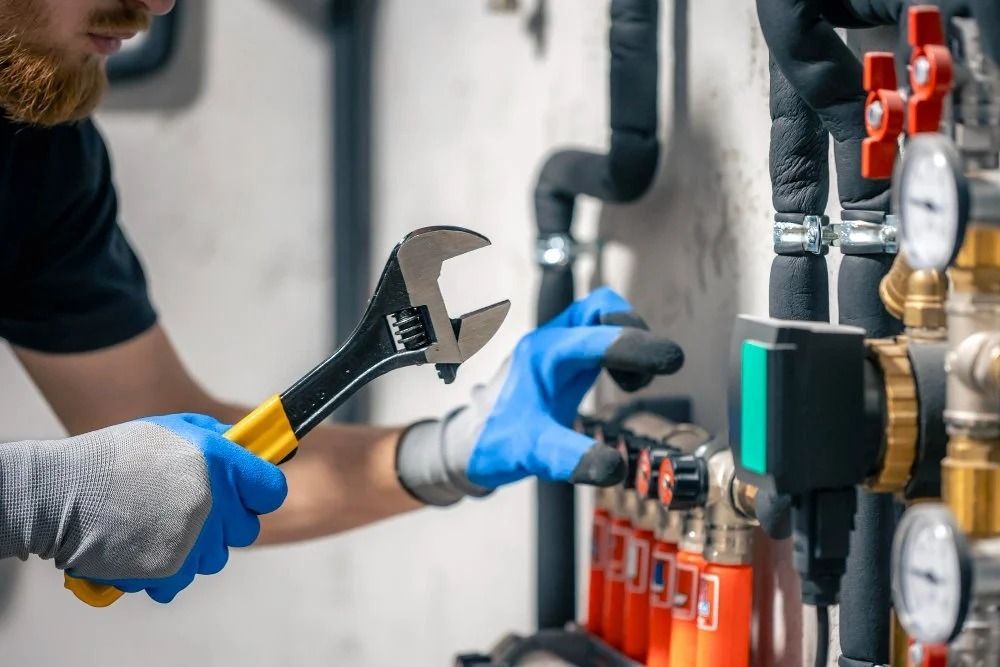
That diagnostic approach matters because heat pumps are more than outdoor air conditioners running backward. A part can be working well enough to avoid a complete shutdown while still causing high energy use and uneven comfort.
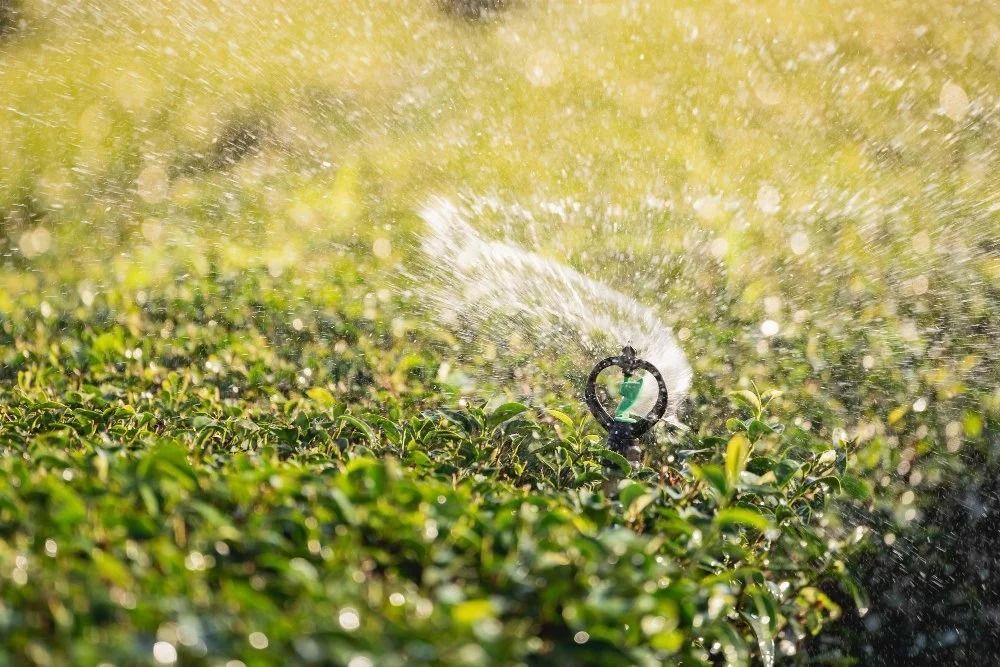
If your irrigation system is due for testing, treat the appointment as a practical part of spring property care. A properly tested assembly gives you one less thing to worry about when it is time to turn the water on and enjoy the season.
10 Best Landlord Maintenance Tasks to Plan
August 9, 2026

A furnace failure during a Boise cold snap or a leaking toilet discovered after weeks of tenant frustration can turn a manageable repair into an expensive emergency. The best landlord maintenance tasks are not simply a checklist of chores. They are a practical system for keeping rental homes safe, habitable, efficient, and easier to manage year after year.
For landlords, maintenance protects more than the building. It helps retain good tenants, reduces surprise expenses, and documents that you are taking reasonable care of the property. The right schedule depends on the home’s age, systems, occupancy, and season, but several tasks deserve consistent attention in nearly every rental.
Best Landlord Maintenance Tasks for Every Rental
1. Test smoke and carbon monoxide alarms
Test every alarm at least twice a year, replace batteries as needed, and replace units that are past their manufacturer-rated service life. Smoke alarms belong in the required locations, and carbon monoxide alarms are especially critical in homes with fuel-burning appliances, fireplaces, or attached garages.
This is a simple task with serious consequences. Keep a written record of testing dates, replacements, and any tenant notices. If an alarm is missing, damaged, or repeatedly disabled, address it promptly and document the correction.
2. Service the HVAC system before peak season
Heating and cooling equipment works hardest when tenants need it most. Schedule professional heating maintenance before winter and cooling maintenance before summer. A technician can inspect electrical connections, safety controls, filters, drainage, combustion components, and overall operation before a minor issue becomes a no-heat or no-cooling call.
Landlords should also set clear expectations about filter changes. In some leases, the tenant changes standard filters and reports concerns. In others, the owner provides scheduled filter service. Either approach can work if responsibilities are clear and the system is not neglected.
3. Check plumbing fixtures for slow leaks
A drip under a sink, a toilet that runs intermittently, or a loose shower valve may seem minor. Left alone, those issues waste water, damage cabinets and flooring, and can create conditions for mold. During regular inspections, run faucets, flush toilets, check shutoff valves, and look inside vanity cabinets for moisture, staining, or corrosion.
Pay attention to water heaters as well. Confirm there are no active leaks, inspect the surrounding area, and have unusual noises, rusty water, or inconsistent hot water evaluated. Water heater repairs and replacements involve safety considerations, so this is not a place for guesswork.
4. Inspect electrical safety items
Electrical problems can be hidden behind normal-looking outlets and switches. Test GFCI outlets in kitchens, bathrooms, garages, laundry areas, and exterior locations. Note outlets that feel warm, switches that spark, breakers that trip repeatedly, or lights that flicker without an obvious bulb issue.
Do not treat repeated breaker trips as an inconvenience to be worked around. They can indicate an overloaded circuit, a failing appliance, or a wiring issue that requires professional diagnosis. Licensed electrical work protects the property and helps keep repairs code-compliant.
5. Maintain gutters, roofs, and exterior drainage
Water should move away from the house, not toward it. Clean gutters and downspouts, especially after leaf fall, and make sure downspout extensions direct water away from the foundation. Look for damaged shingles, loose flashing, clogged roof drainage, and signs of water intrusion around ceilings or exterior walls.
Idaho’s freeze-thaw cycles can make small exterior weaknesses worse. A cracked seal, loose piece of siding, or failed caulk line may allow water in before anyone notices. Catching those items early is generally far less costly than repairing rot, drywall damage, or structural deterioration later.
6. Winterize sprinkler and irrigation systems
In the Boise area, proper sprinkler winterization is a seasonal necessity, not an optional upgrade. Freezing conditions can damage lines, valves, and backflow assemblies when water remains in the system. Schedule winterization before sustained freezing temperatures arrive, then inspect the system again in spring for damaged heads, leaks, and coverage problems.
Backflow assemblies also deserve professional attention. They protect the potable water supply from contamination and may be subject to local testing and reporting requirements. Make sure the work is performed by a qualified provider and keep the records with your property files.
7. Address weatherproofing and air leaks
Drafty doors, damaged weatherstripping, cracked window caulk, and poorly sealed exterior penetrations raise utility costs and make rooms less comfortable. Inspect these areas at least once a year, preferably before the heating season. Also check door sweeps, screens, locks, and window operation.
Not every older home will feel like new construction, and replacing every window is not always the best first move. Low-cost sealing and adjustment work can often solve the most obvious comfort issues. When windows are failing, leaking, or unsafe to operate, a larger repair may be justified.
8. Inspect appliances and ventilation
Test supplied appliances between tenancies and during scheduled property checks when appropriate. Run the dishwasher, inspect washing machine hoses, confirm the refrigerator seals properly, and make sure range burners and oven controls operate as expected. Replace deteriorated supply hoses before they fail, especially on washing machines.
Dryer vents require special attention. Lint buildup can reduce performance and increase fire risk. Clean the lint trap regularly, but also arrange periodic vent cleaning from the appliance connection through the exterior termination. Confirm bathroom exhaust fans actually vent moisture outside rather than simply making noise.
9. Check for pests, moisture, and mold conditions
A pest concern rarely improves by waiting. Look for droppings, chewed materials, nesting signs, damaged screens, gaps around utility penetrations, and standing water near the property. Moisture control is just as important, since leaks and poor ventilation can encourage both pests and mold.
If tenants report visible mold, recurring dampness, or a musty odor, respond quickly. The right fix depends on the source. It may be a plumbing leak, exterior water intrusion, inadequate ventilation, or a tenant-use issue such as not operating an existing bath fan. Start by correcting the moisture problem, then determine the proper cleanup and repair scope.
10. Complete turnover inspections thoroughly
A vacancy is the best time to inspect areas that are difficult to access when a home is occupied. Check walls, floors, doors, locks, blinds, caulking, fixtures, outlets, appliances, and every room’s operation. Photograph the condition, compare it with move-in documentation, and make repairs before the next resident arrives.
Turnovers can feel urgent, but rushed work often creates more calls after move-in. Prioritize safety, water damage, heating and cooling, locks, and code-sensitive repairs first. Cosmetic updates matter, but a reliable home matters more.
How to Build a Maintenance Schedule That Works
The best landlord maintenance tasks only help when they are scheduled, tracked, and completed. A useful approach is to divide work into seasonal service, annual professional inspections, and tenant-reported repairs. Seasonal work includes HVAC service, gutter cleaning, irrigation winterization, and spring startup. Annual work can include alarm checks, exterior inspections, appliance testing, and a documented review of electrical and plumbing concerns.
Tenant communication is part of the maintenance plan. Give residents a clear way to report urgent issues such as active leaks, loss of heat, electrical burning smells, or sewer backups. Explain which situations require an immediate call and which can be submitted as routine requests. Prompt communication helps prevent damage and shows tenants that the property is being managed responsibly.
Keep records of service dates, invoices, photos, tenant notices, and repairs. This creates a clearer maintenance history when you are budgeting, evaluating a recurring issue, or preparing to sell. It also makes it easier to coordinate qualified help instead of scrambling to locate separate providers for every trade.
For Boise-area landlords managing several systems or several homes, M Property Services can provide one accountable point of contact for electrical, HVAC, handyman, sprinkler, and backflow needs. The goal is straightforward: handle small issues before they become disruptive and keep the property ready for the people who call it home.
A well-maintained rental does not happen by accident. Put recurring tasks on the calendar, respond to warning signs early, and bring in licensed professionals when safety, code requirements, or specialized systems are involved.