Last Updated: October 24, 2026
Quick Summary
Your annual home maintenance plan cost depends on your home's age, size, heating and cooling systems, location, and any deferred maintenance. Older and larger homes typically cost more to maintain, while regional factors like winter weather and code requirements also affect your total spending.
- Home age and size are the biggest cost drivers for annual maintenance
- HVAC systems, plumbing, and electrical setup significantly impact your total cost
- Deferred maintenance increases costs when problems finally need addressing
- Breaking maintenance into monthly, seasonal, and annual tasks spreads expenses throughout the year
- A personalized professional assessment gives you realistic numbers for your specific home
Table of Contents
- What Affects Your Annual Home Maintenance Plan Cost
- Building Your Home Maintenance Budget Calculator
- What's Covered: Understanding Home Maintenance Plan Coverage
- Home Maintenance Plan vs. Home Warranty: Key Differences
- Creating Your Annual Home Maintenance Checklist
- Why Single-Source Maintenance Simplifies Your Budget
- Getting Your Personalized Home Maintenance Plan Quote
- Frequently Asked Questions
What Affects Your Annual Home Maintenance Plan Cost
Your home's annual maintenance costs depend on several key factors. Understanding these factors helps you budget accurately and avoid surprise repairs.
The biggest cost drivers are your home's age, size, and the systems inside it. A 20-year-old house needs more attention than a newer one. Larger homes cost more to maintain simply because there's more square footage to care for. The type of heating system, electrical setup, and plumbing all affect your annual maintenance plan cost.
Your location matters too. Homes in our region face specific challenges. Winter weather is harder on HVAC systems. Older homes may need backflow prevention testing to meet current codes. These regional factors shape what you'll actually spend.
One often-overlooked cost driver is deferred maintenance. If you've skipped upkeep for years, your annual home maintenance plan cost will be higher when you finally address problems. Prevention is always cheaper than repair.
Several key factors shape what you'll spend on annual home maintenance.
| Factor | Impact on Cost | Note |
|---|---|---|
| Home age | Older homes cost more | 20-year-old house needs more attention |
| Home size | Larger homes cost more | More square footage to maintain |
| HVAC system | Varies by type | Winter weather harder on systems |
| Location | Regional challenges apply | Winter weather and code requirements |
| Deferred maintenance | Significantly increases cost | Prevention cheaper than repair |
| Electrical setup | Varies by system | Part of overall system costs |
| Plumbing | Varies by system | Part of overall system costs |
Building Your Home Maintenance Budget Calculator
Creating a realistic budget starts with knowing your home's basics. Gather these details:
- Age of your home
- Square footage
- Type of heating and cooling system
- Age of roof, water heater, and electrical panel
- Any known issues or repairs needed
Once you have these, you can estimate costs by category. Electrical work, HVAC maintenance, plumbing checks, and general handyman services each have varying costs. Your annual home maintenance plan cost will be the sum of what each system needs.
A practical approach is to list every major system in your home. Assign each one a maintenance priority: critical, important, or routine. Critical items must be done annually. Important items can be spread across 2-3 years. Routine items happen as needed.
Then estimate the cost for each priority level. This gives you a realistic picture of your annual home maintenance plan cost spread across the year. Many homeowners find it easier to budget when they see costs broken down by system rather than as one large number.
What's Covered: Understanding Home Maintenance Plan Coverage
A home maintenance plan typically covers routine upkeep and preventive work. It does NOT cover emergency repairs or replacements of failed systems.
Standard coverage usually includes:
- HVAC system inspections and seasonal tune-ups
- Electrical system checks and minor repairs
- Plumbing inspections and leak detection
- Roof and gutter inspections
- Water heater maintenance
- Handyman services for small repairs
What's NOT covered matters just as much. If your roof fails, a maintenance plan won't replace it. If your HVAC system dies, you'll pay for a new unit out of pocket. Maintenance plans prevent these catastrophes through early detection, but they don't cover major replacements.
Some plans include parts and labor for minor fixes. Others cover labor only, leaving you to pay for parts. Read the details carefully. Your annual home maintenance plan cost reflects what's actually included in the coverage.
The best plans are customized to your home's age and condition. A 30-year-old home needs different coverage than a 5-year-old one. This is why getting a personalized assessment matters more than picking a one-size-fits-all plan.
Home Maintenance Plan vs. Home Warranty: Key Differences
These two terms sound similar, but they work very differently. Understanding the distinction helps you choose the right protection for your budget.
A maintenance plan is preventive. You pay regularly to keep systems running well. It covers routine inspections, tune-ups, and small repairs. The goal is to catch problems before they become expensive.
A home warranty is reactive. You pay a claim when something breaks. It covers the cost of repair or replacement when a covered system fails. The goal is to protect you from the financial shock of major failures.
Many homeowners benefit from having both. A maintenance plan keeps your systems healthy. A warranty covers you if something still fails despite good maintenance. Together, they provide comprehensive protection.
Your annual home maintenance plan cost is typically lower than a warranty because you're paying for prevention. Warranties cost more because they cover expensive replacements. Check answers to common questions about maintenance plans and warranties to understand how each works in your situation.
The key difference: maintenance plans save money by preventing problems. Warranties save money by spreading the cost of repairs across many homeowners.
Creating Your Annual Home Maintenance Checklist
A solid checklist ensures nothing gets forgotten. Start with the systems every home has:
- HVAC: filter changes, seasonal inspections, ductwork cleaning
- Plumbing: leak checks, drain cleaning, water pressure testing
- Electrical: outlet testing, panel inspection, breaker checks
- Roof and gutters: debris removal, leak inspection, flashing checks
- Exterior: caulking, weatherstripping, foundation inspection
- Interior: smoke detector testing, caulk refresh, paint touch-ups
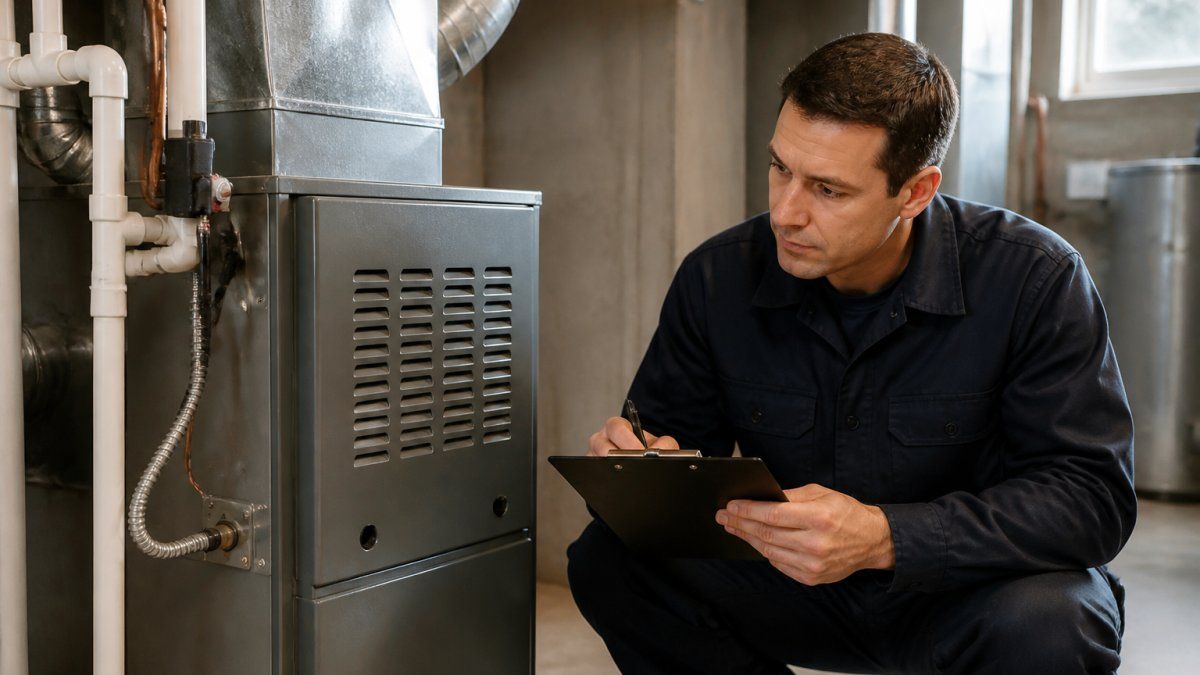
Break your checklist into monthly, seasonal, and annual tasks. Monthly tasks are quick: check for leaks, test smoke detectors, run water in unused drains. Seasonal tasks happen as weather changes: clean gutters, inspect weatherstripping, check HVAC filters.
Annual tasks are more involved. These include professional inspections of major systems. Your annual home maintenance plan cost should account for at least one professional visit per major system.
A written checklist keeps you accountable. Many homeowners find it helpful to assign tasks to specific months. This spreads the work and cost throughout the year instead of creating a budget crunch.
Why Single-Source Maintenance Simplifies Your Budget
Juggling multiple contractors makes budgeting harder. One electrician quotes one price. A different HVAC technician quotes another. You're comparing apples to oranges and never know if you're getting fair pricing.
A single provider handles electrical, HVAC, plumbing, and handyman work. This simplifies everything. You get consistent pricing. You build a relationship with one team that knows your home. Communication is easier when you call one number instead of five.
Single-source maintenance also reduces scheduling headaches. Instead of coordinating multiple contractors, one company handles your annual home maintenance plan cost and coordinates the work. This saves time and reduces the chance of missed appointments.
Working with one trusted provider can offer benefits. The team can become familiar with your home's history, potentially spotting problems early and recommending cost-effective solutions.
Learn about handyman services that provide comprehensive maintenance solutions and how working with one provider simplifies your budget and keeps your home running smoothly.
Getting Your Personalized Home Maintenance Plan Quote
Your annual home maintenance plan cost is unique to your home. The only way to know your actual cost is to get a professional assessment.
Start by gathering information about your home. Write down:
- Year built
- Square footage
- Heating and cooling system type and age
- Water heater age
- Roof age and condition
- Any known issues
Contact a local provider who can visit your home and assess its condition. A professional inspection takes 1-2 hours and gives you a clear picture of what needs attention.
During the inspection, ask about:
- What systems need immediate attention
- What can wait 1-2 years
- What's routine maintenance vs. urgent repair
- How often each system needs professional service
- What you can do yourself vs. what requires a professional
A good provider will give you a detailed breakdown. You'll see your annual home maintenance plan cost itemized by system. You'll understand what's included and what isn't.
Contact M Property Services for a personalized quote on your home's specific maintenance needs. Our team will assess your home, explain what you're looking at, and give you realistic numbers for your annual home maintenance plan cost.
Frequently Asked Questions
How much should homeowners budget for annual home maintenance?
The amount depends on your home's age, size, systems, and local climate conditions. Newer homes typically need less investment than older ones, and larger homes with multiple systems require more attention. Rather than guessing, work with a professional to assess your specific home and create a tailored annual home maintenance plan cost estimate. This ensures you're prepared for both routine upkeep and unexpected repairs.
What is the difference between a home maintenance plan and a home warranty?
A home maintenance plan covers routine preventive care, inspections, seasonal upkeep, and scheduled maintenance to keep systems running smoothly. A home warranty is insurance that covers repair or replacement costs when systems fail unexpectedly. Most homeowners benefit from both: maintenance plans prevent problems, while warranties protect against surprise failures. Think of maintenance as prevention and warranties as insurance.
Is a home maintenance plan worth the cost?
Yes, when it prevents expensive failures. Regular HVAC maintenance, for example, extends equipment life by years and improves efficiency, saving money on energy bills and emergency repair calls. A single emergency service call often costs more than months of preventive maintenance. The real value is peace of mind and avoiding costly surprises during peak seasons when contractors charge premium rates.
Can I customize an annual home maintenance plan for my home?
Absolutely. Your home's specific needs depend on its age, size, systems, location, and your priorities. A professional assessment identifies which services matter most for your situation. Some homes need frequent HVAC attention; others prioritize electrical or plumbing upkeep. Work with a provider who offers flexible annual home maintenance plan coverage rather than one-size-fits-all packages, so you pay for what your home actually needs.
Your home's maintenance needs are specific to your situation. The cost of an annual home maintenance plan depends on your home's age, size, systems, and condition. Working with a local provider who knows your area and can assess your home directly gives you the most accurate picture. M Property Services has spent more than 30 years helping Treasure Valley homeowners understand and manage their maintenance costs with transparent, straightforward service.