That diagnostic approach matters because heat pumps are more than outdoor air conditioners running backward. A part can be working well enough to avoid a complete shutdown while still causing high energy use and uneven comfort.
If your irrigation system is due for testing, treat the appointment as a practical part of spring property care. A properly tested assembly gives you one less thing to worry about when it is time to turn the water on and enjoy the season.
How to Reduce Summer Cooling Costs at Home
August 5, 2026
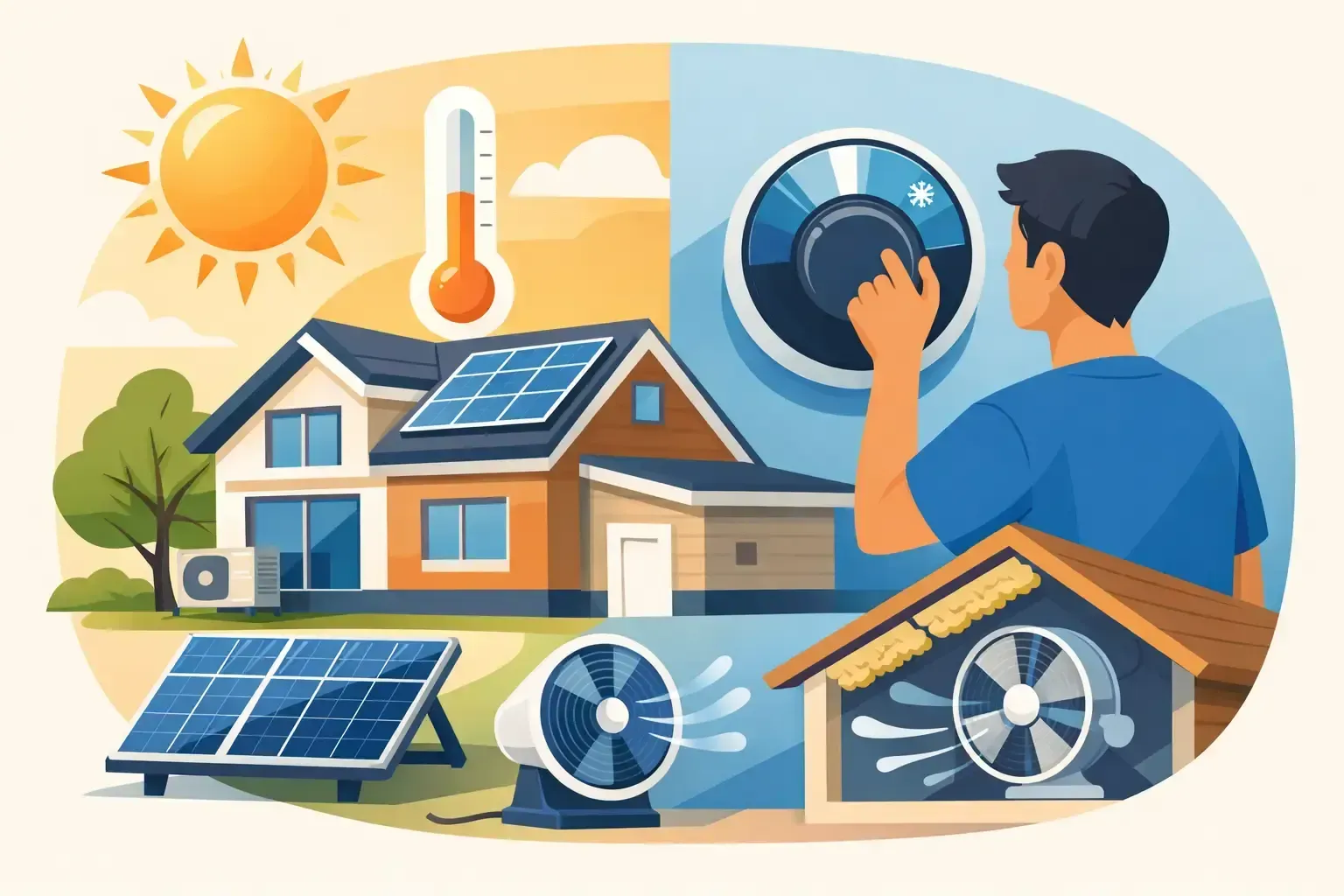
A Boise summer can turn a home into a heat trap quickly. When temperatures stay high for days, it is tempting to keep lowering the thermostat until the house feels comfortable again. That may bring short-term relief, but it also makes the air conditioner run longer and drives up utility bills. Learning how to reduce summer cooling costs starts with helping your home hold onto conditioned air and making sure your HVAC system is not working harder than it should.
The good news is that many of the most effective improvements are straightforward. Some are homeowner habits, while others require a qualified technician to inspect, repair, or maintain the equipment. The right approach depends on your home’s age, layout, insulation, sun exposure, and the condition of the cooling system.
Start With Your Thermostat Settings
Your thermostat is one of the simplest places to control summer energy use. Setting it extremely low does not cool the house faster. It only tells the system to run longer until it reaches that temperature.
For many households, a setting around 78°F when people are home provides a reasonable balance between comfort and cost. Raising the setting by a few degrees when the home is empty can reduce unnecessary runtime. A programmable or smart thermostat can make this easier by following a schedule instead of relying on someone to remember each day.
That said, thermostat advice is not one-size-fits-all. Homes with young children, older adults, pets, medical needs, or upstairs rooms that run unusually warm may need different settings. The goal is not to tolerate an uncomfortable house. It is to avoid paying to cool empty rooms or pushing the system well beyond what is necessary.
Keep Heat Out Before It Reaches the Thermostat
Air conditioning works best when the home is not constantly gaining heat through windows, attics, doors, and small gaps around the building. In the Treasure Valley, intense afternoon sun can make west-facing rooms especially difficult to keep cool.
Close blinds or curtains before direct sunlight reaches the glass, particularly on the west and south sides of the home. Light-blocking shades, cellular shades, and properly fitted curtains can reduce solar heat gain without requiring a major renovation. Exterior shade can help even more. Trees, awnings, shade screens, and covered patios stop some heat before it reaches the window.
Check doors and windows for worn weatherstripping or visible gaps. A small air leak may not look serious, but several leaks around doors, windows, attic penetrations, and utility lines can add up. Cool air escapes while hot outdoor air enters, forcing the HVAC system to cycle longer.
Attic insulation matters as well. If upper rooms are consistently hotter than the rest of the house, the issue may be more than thermostat placement. Insufficient insulation, air leaks into the attic, poor attic ventilation, or ductwork exposed to extreme attic heat can all contribute. A technician can help identify HVAC-related causes, while broader insulation work may call for an energy or insulation specialist.
Give Your Air Conditioner Basic Maintenance
A neglected cooling system uses more energy and is more likely to fail during the hottest part of the season. Maintenance is not just about avoiding a breakdown. It is also about helping equipment operate safely and efficiently.
Start with the air filter. A clogged filter restricts airflow, which can reduce comfort, increase energy use, and place extra strain on components. Check it monthly during heavy summer use and replace it according to the filter type, household conditions, and manufacturer guidance. Homes with pets, construction dust, or allergy concerns may need more frequent changes.
Outside, keep the condenser unit clear of grass clippings, weeds, leaves, and stored items. The unit needs open space around it to release heat. Do not build a tight enclosure around it or stack supplies nearby. If the coil is visibly dirty, it should be cleaned carefully. Aggressive pressure washing can damage delicate coil fins, so this is often better handled as part of professional service.
Seasonal HVAC maintenance should include more than a quick look at the outdoor unit. A qualified technician can check electrical connections, capacitors, refrigerant performance, condensate drainage, blower operation, temperature split, and overall system condition. Refrigerant is not something that should simply be “topped off” without finding the reason it is low. A properly operating sealed system should not routinely lose refrigerant.
Improve Airflow Room by Room
A system cannot cool effectively if air cannot move through the house. Start by making sure supply vents are open and not blocked by rugs, furniture, or curtains. Closing many vents in unused rooms often seems like a money-saving move, but it can create pressure problems and reduce airflow through the system. Unless your HVAC contractor has designed the system for zoning, it is usually better to keep vents open and manage unused spaces with doors, shading, and thermostat scheduling.
Ceiling fans can make a noticeable difference in occupied rooms. They do not lower the room’s actual temperature, but the moving air helps people feel cooler. In summer, ceiling fans should generally rotate counterclockwise when viewed from below, creating a downward breeze. Turn them off when the room is empty because fans cool people, not the room itself.
If one area of the home is always warmer, avoid assuming a larger air conditioner is the answer. The cause could be duct leakage, a disconnected duct, poor return-air flow, inadequate insulation, sun exposure, or an incorrectly sized system. Oversizing equipment can create its own problems, including short cycling and poor humidity control. A proper assessment is more useful than guessing.
Use Appliances With the Heat in Mind
The kitchen, laundry room, and electronics can add more indoor heat than many homeowners realize. On the hottest days, use exhaust fans when cooking and avoid running the oven for long periods if an outdoor grill, microwave, or smaller appliance will do the job. Run dishwashers and clothes dryers during cooler morning or evening hours when practical.
Keep dryer vents clean and properly routed outdoors. A restricted dryer vent wastes energy, adds heat, and can become a safety issue. Bathroom and kitchen exhaust fans should also be used with purpose. They remove heat and moisture while operating, but leaving them on long after cooking or showering can pull conditioned air out of the home.
For rental properties, these small habits are worth communicating clearly to tenants. Simple guidance on filters, vent clearance, thermostat settings, and reporting unusual HVAC behavior can prevent avoidable service calls and help protect the equipment.
Address Electrical and HVAC Warning Signs Promptly
Higher summer bills are not always caused by weather or normal system use. A sudden increase may point to an air conditioner that is running inefficiently, a failing component, duct problems, or an electrical issue affecting performance.
Call for service if you notice warm air from vents, weak airflow, repeated short cycling, ice on refrigerant lines, water around the indoor unit, unusual noises, burning smells, or a breaker that trips when the system starts. Do not keep resetting a tripped breaker to force the equipment to run. Electrical problems deserve prompt attention from a qualified professional.
M Property Services can help homeowners and property managers address HVAC maintenance, minor electrical concerns, and the practical repairs that keep a property functioning properly. Having one local point of contact can be especially helpful when a comfort issue turns out to involve more than one part of the home.
How to Reduce Summer Cooling Costs Without Sacrificing Comfort
The lowest bill is not always the best outcome if the home is too warm to sleep, work, or live comfortably. A better target is consistent comfort with less waste. Begin with the easy steps: use a sensible thermostat schedule, replace a dirty filter, clear the outdoor unit, close shades before afternoon sun arrives, and use fans only in occupied rooms.
Then pay attention to patterns. If the system runs constantly, some rooms never cool down, or bills rise sharply compared with prior summers, schedule an inspection instead of compensating by lowering the thermostat further. A small repair or maintenance visit can be less costly than letting a struggling system run until it fails on a 100-degree day.
A comfortable home should not require constant guesswork. A few practical habits, combined with timely professional maintenance, can keep your cooling system working with you instead of against you all summer.