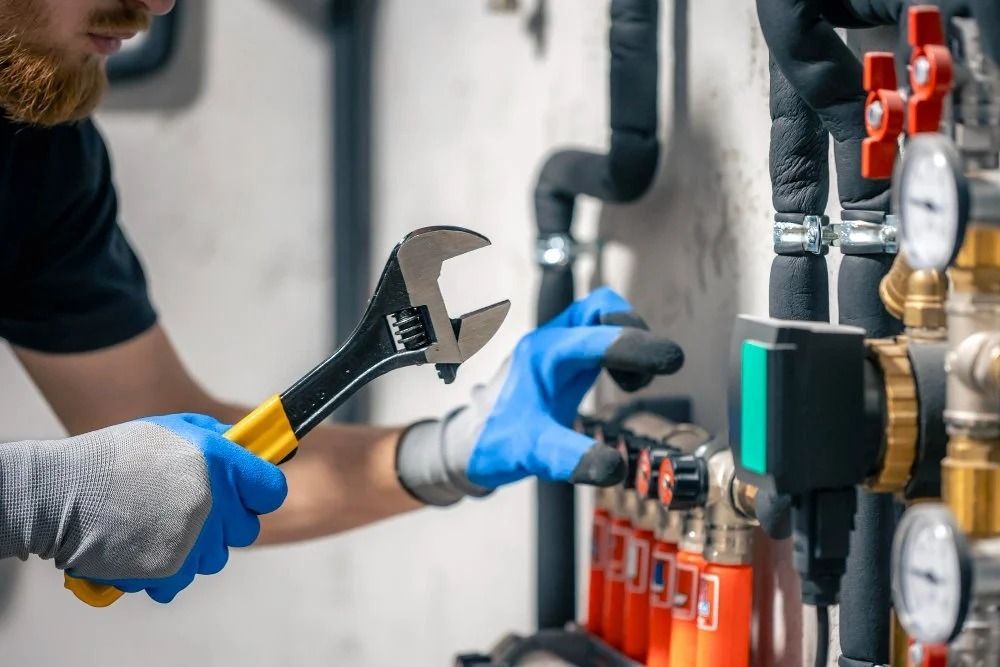
That diagnostic approach matters because heat pumps are more than outdoor air conditioners running backward. A part can be working well enough to avoid a complete shutdown while still causing high energy use and uneven comfort.
How to Prepare a Vacant Rental Home Safely
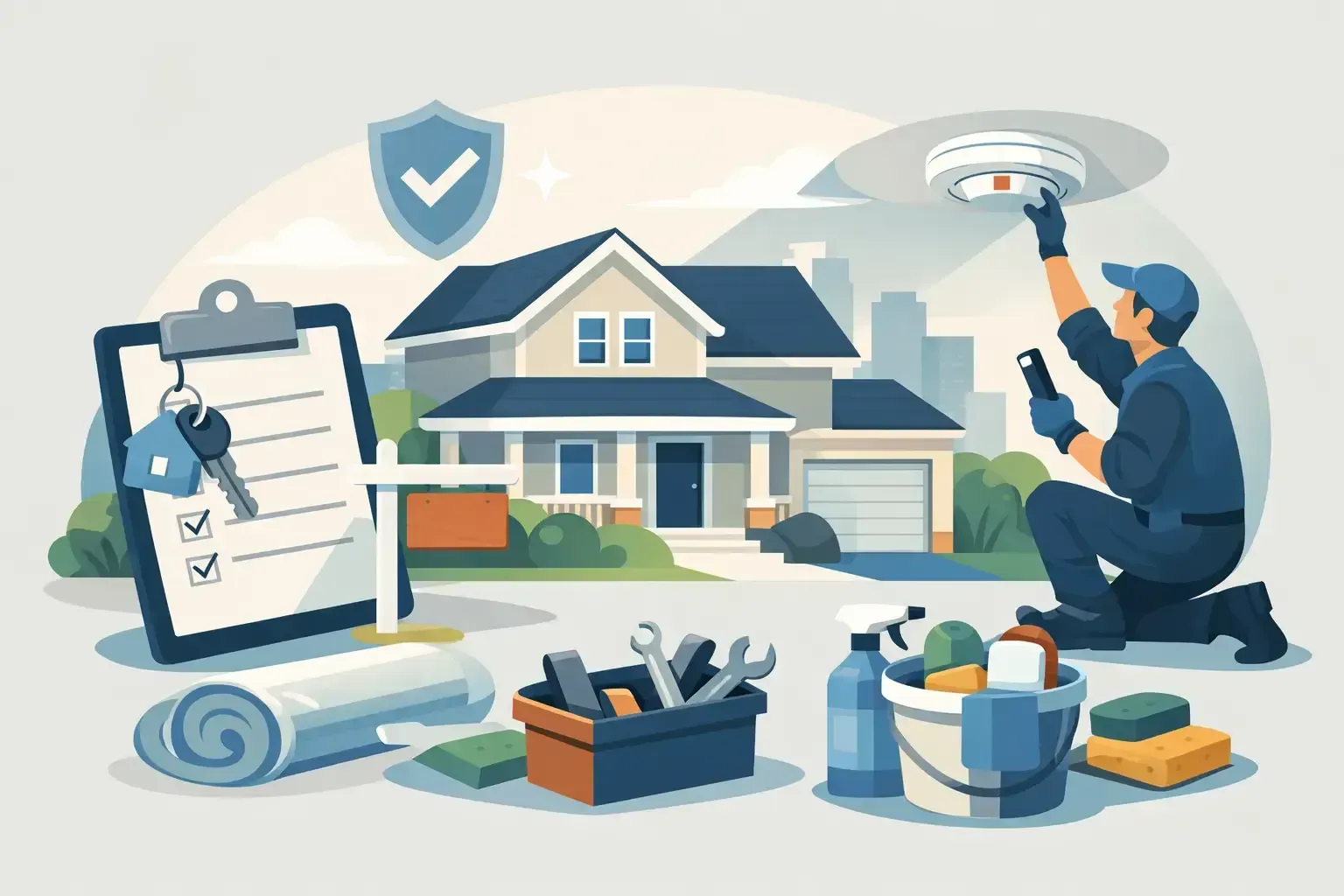
A vacant rental can go from routine turnover to expensive repair faster than most owners expect. A slow leak, a tripped breaker, a failed furnace, or a frozen sprinkler line can cause damage while no one is there to notice it. Knowing how to prepare a vacant rental home means protecting the property first, then making it clean, safe, and ready for qualified applicants.
For Boise-area landlords and property managers, the right approach depends on the season, how long the home will sit empty, and the condition left by the prior tenant. A one-week vacancy between tenants needs a focused turnover. A home that may be vacant for months needs a more deliberate plan for utilities, weather exposure, security, and regular checks.
Start With Documentation and a Full Walk-Through
Before cleaning, painting, or scheduling repairs, document the condition of the home. Walk through every room, garage, storage area, exterior space, and mechanical area with the prior move-out records in hand. Take clear, date-stamped photos and video of walls, flooring, appliances, windows, fixtures, doors, and any visible damage.
This is not just for the security deposit process. Good documentation helps you distinguish normal wear from new damage, create a clear repair scope, and avoid missing problems that become more difficult to identify after cleaners or vendors have been through the property.
Turn on lights, open cabinets, flush toilets, run faucets, test appliances, and look under sinks. Pay attention to small warning signs: moisture under a vanity, a loose outlet, a bathroom fan that does not run, a sticking exterior door, or a refrigerator that is not holding temperature. Small repairs are usually easier and less costly before a new tenant moves in.
If the prior tenant has fully vacated, collect all keys, garage remotes, gate cards, mailbox keys, and access codes. Re-keying or changing exterior lock codes between tenancies is a basic security step. Do not assume every copy of a key was returned.
Handle Safety Repairs Before Cosmetic Work
A rental home should be safe and functional before it is attractive. Fresh paint will not make up for a loose handrail, an inoperative smoke alarm, or an overloaded electrical circuit.
Start with the systems that could create immediate risk. Test smoke and carbon monoxide alarms according to the home’s layout and local requirements. Replace batteries where appropriate, confirm units are within their service life, and make sure tenants will be able to hear alarms from sleeping areas. Check that fire extinguishers, if provided, are present and accessible.
Electrical issues deserve prompt attention. Test GFCI outlets in kitchens, bathrooms, garages, laundry areas, and exterior locations. Look for damaged receptacles, missing cover plates, flickering lights, exposed wiring, or breakers that trip repeatedly. A breaker that trips is doing its job, but the underlying cause should be evaluated rather than ignored.
Also inspect stairs, decks, railings, walkways, and exterior lighting. A loose step, uneven path, or dark entry is both a liability concern and an avoidable frustration for incoming tenants. Make repairs before showings whenever possible.
Inspect the Home’s Major Systems
Vacancy is an ideal time to assess the systems that tenants rely on every day. It is easier to service a furnace, replace a failing disposal, or repair a toilet when access is clear and no one is living around the work.
HVAC and ventilation
Replace or inspect the HVAC filter, test heating and cooling operation, and listen for unusual noise during startup. In the Treasure Valley, a furnace problem discovered during the first cold stretch can quickly become an urgent call. If the home will be vacant through winter, keep the heat set high enough to protect plumbing, even if the unit is empty.
Check bathroom exhaust fans, range hoods, and dryer vents as well. Poor ventilation can contribute to moisture damage, odors, and mold concerns, particularly after a home has been closed up.
Plumbing and water protection
Run every fixture long enough to spot weak flow, slow drains, leaks, or sewer odors. Check the water heater area, washing machine connections, dishwasher supply line, refrigerator water line, and irrigation controls. Look closely at ceilings below bathrooms and kitchens for staining that may point to an older or active leak.
For a short vacancy, it often makes sense to leave water service on so inspections and showings can continue. For a longer vacancy, the decision depends on weather, the home’s condition, insurance requirements, and how often the property will be checked. If water is shut off, make sure the process is handled properly and that the property is clearly marked for anyone entering later.
Sprinklers and exterior systems
Irrigation needs seasonal attention, not guesswork. In cold weather, a system that has not been properly winterized can suffer costly freeze damage. In warmer months, check for broken heads, leaking valves, poor coverage, and overspray onto walkways or neighboring property. Backflow devices may also have testing requirements that should not be overlooked.
A vacant home still needs curb appeal, but overwatering an empty lawn is not property care. Adjust the schedule for the season and arrange for basic lawn and landscape upkeep during the vacancy.
Clean Deeply, Then Repair What Cleaning Reveals
Deep cleaning should happen after major repair work, not before. A contractor repairing drywall, servicing a furnace, or replacing flooring can undo a freshly cleaned home in an afternoon.
Once repairs are complete, clean the property to a standard you would be comfortable moving into yourself. That includes appliances inside and out, cabinets, drawers, blinds, baseboards, bathrooms, light fixtures, closets, and garage surfaces. Remove abandoned items from sheds, crawl spaces, and exterior areas if the lease and local rules allow.
Cleaning often exposes issues that were easy to miss earlier. Scrubbed walls may reveal nail holes or damaged drywall. An emptied refrigerator may reveal a worn door gasket. A clean shower can make failing caulk or grout much more obvious. Address these items while the unit is vacant rather than treating them as minor flaws a new tenant must report.
Prepare the Home for Showings and New Tenants
A rent-ready home should feel cared for, not merely emptied. Replace burned-out bulbs with matching bulbs, touch up paint where it is genuinely needed, and make sure doors open and latch properly. Clean windows and entry glass, remove flyers and debris, and check that house numbers are visible from the street.
Before advertising the property, verify that every appliance included with the rental is operational. Test the oven, cooktop, dishwasher, refrigerator, garbage disposal, washer, dryer, garage door opener, and thermostat. If an appliance is unreliable, repairing or replacing it before move-in is usually better than starting a new tenancy with a maintenance issue.
Use a final turnover checklist to confirm the essentials:
- All keys, remotes, codes, and mailbox access have been secured or changed.
- Smoke alarms, carbon monoxide alarms, GFCIs, lights, and exterior lighting have been tested.
- Heating, cooling, plumbing fixtures, appliances, and garage access are working properly.
- Leaks, trip hazards, damaged railings, and visible electrical concerns have been corrected.
- The home is clean, odor-free, and free of personal property or construction debris.
- Seasonal irrigation, winterization, and exterior maintenance needs have been addressed.
Set a Vacancy Plan If the Home Will Sit Empty
Longer vacancies require regular oversight. Arrange scheduled property checks, especially during freezing weather, heavy rain, or extreme heat. An occupied-looking home is generally less vulnerable than one with packages piling up, dark entryways, and an unmanaged yard.
Keep a record of each check, including the date, conditions observed, utility status, and any action taken. This creates accountability and helps catch changes early. If you use a property service provider, confirm who is responsible for emergency response, vendor coordination, and communication when an issue is found.
M Property Services can help local owners coordinate electrical, HVAC, handyman, and sprinkler-related turnover needs without the hassle of calling several unrelated contractors. The benefit is not just convenience. It is having one accountable point of contact who understands that a vacant rental needs careful attention before a small problem becomes a turnover delay.
A well-prepared rental gives the next tenant a better first impression and gives the owner fewer surprises. Schedule the work in the right order, verify the systems people depend on, and keep checking the home until the next set of keys is in responsible hands.