Electrical Outlet Protection for Safer Homes
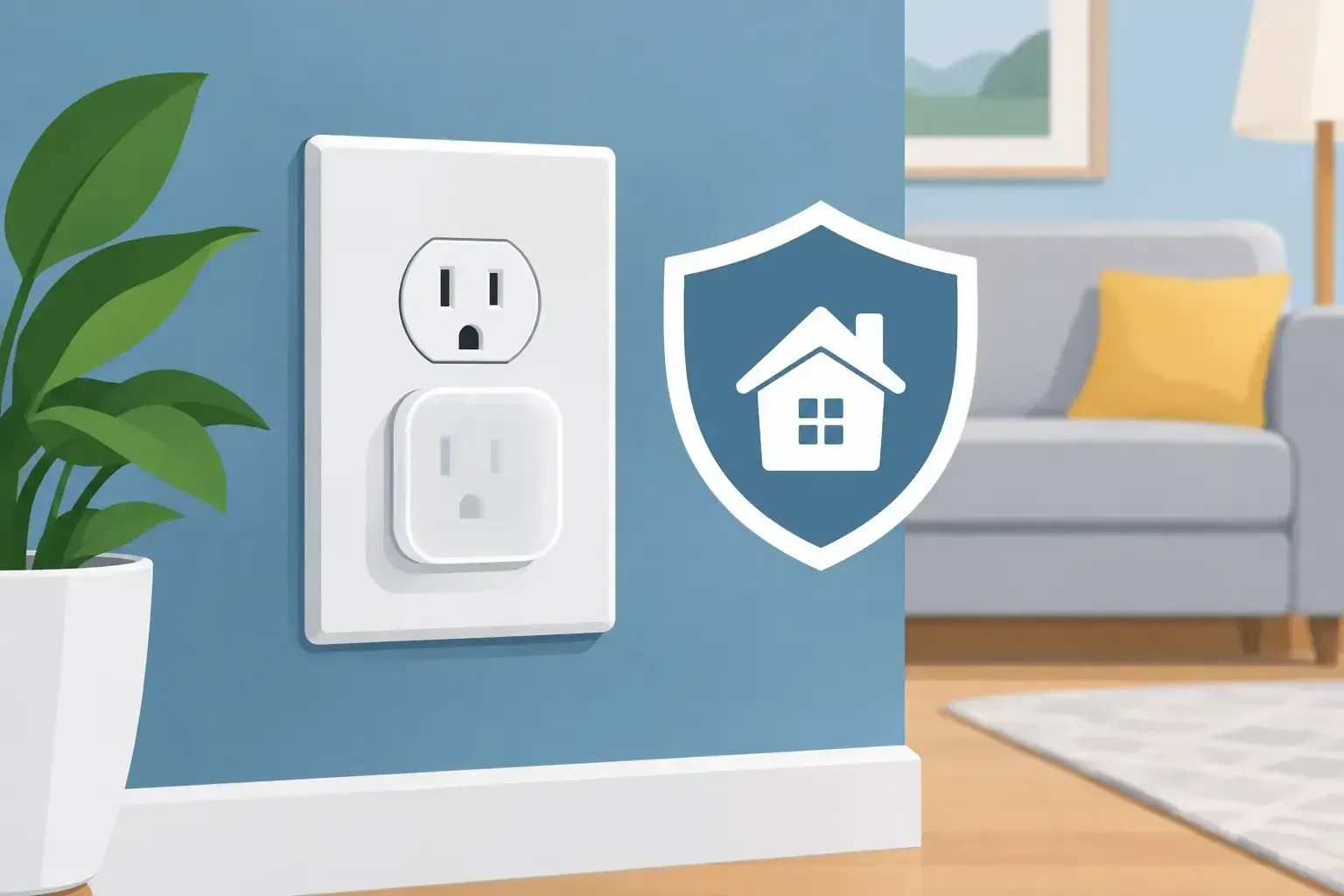
A loose outlet beside a child’s bed, a power strip buried behind a television stand, or a bathroom receptacle that will not reset can look like small household issues. They are not always small. Effective electrical outlet protection prevents shock hazards, reduces fire risk, and helps homeowners catch wiring concerns before they damage a wall, appliance, or person.
For Boise-area homeowners, landlords, and property managers, the goal is not to turn every outlet into a project. It is to know which protections belong in each space, recognize warning signs early, and call a qualified electrical professional when the issue goes beyond a simple cover plate.
What Electrical Outlet Protection Actually Includes
Outlet protection is more than plastic plugs for homes with toddlers. It is a combination of properly installed devices, safe everyday use, and electrical safeguards that respond when something goes wrong.
At the most basic level, every outlet should have an intact faceplate, a secure receptacle, and wiring that is properly grounded where grounding is required. The outlet should hold a plug firmly without wobbling, should not feel hot, and should not show discoloration, cracks, buzzing, or scorch marks.
More advanced protection comes from the outlet or breaker itself. Ground-fault circuit interrupters, commonly called GFCIs, shut off power quickly when they detect electricity flowing where it should not, such as through water or a person. Arc-fault circuit interrupters, or AFCIs, are designed to detect dangerous arcing conditions that can occur from damaged wiring or loose connections. Tamper-resistant receptacles use internal shutters to block foreign objects from entering the slots.
Each device solves a different problem. A plug cover may help keep a child from inserting an object into an outlet, but it does not correct a missing ground, overloaded circuit, or moisture-related shock hazard.
Where Outlet Protection Matters Most
Some rooms place more stress on an electrical system than others. Kitchens, bathrooms, garages, laundry rooms, unfinished basements, exterior areas, and locations near plumbing are especially important because moisture and electricity do not mix. GFCI protection is commonly used in these areas to reduce the risk of electric shock.
Bedrooms and living areas deserve attention too. These rooms often collect chargers, televisions, space heaters, computers, lamps, and extension cords. A single receptacle may end up serving more equipment than it was designed to handle. If plugs are stacked through adapters, cords are run under rugs, or a power strip is powering high-wattage equipment, the setup needs to change.
Rental properties need a more deliberate approach. Tenants may not notice a loose outlet, and a damaged receptacle can worsen with daily use. Regular turnover inspections should include a visual check of outlets, switches, exterior receptacles, and GFCI test buttons. This is a practical step that helps protect residents and reduces avoidable repair calls.
Bathrooms, Kitchens, and Outdoor Outlets
Water-prone locations should never rely on luck. A bathroom outlet near a sink, a kitchen counter receptacle, or an exterior outlet exposed to weather should be protected by the right equipment and kept in good repair.
Outdoor outlets also need weather-resistant covers that protect the receptacle while a cord is plugged in. A standard flat cover may protect an unused outlet, but it does not provide adequate protection for a plugged-in extension cord during rain or snow. In the Treasure Valley, seasonal weather changes make this detail worth checking before using outdoor lighting, tools, or holiday decorations.
Childproofing Without Creating New Problems
If young children visit or live in the home, tamper-resistant outlets are generally a better long-term option than removable plastic outlet caps. The built-in shutters open only when equal pressure is applied to both slots, as happens when a plug is inserted correctly. There is nothing loose to remove, misplace, or find on the floor.
Plastic caps can still be useful as a temporary measure for unused outlets, but they are not ideal everywhere. A determined child may remove them, and small pieces can become a choking concern. For a home being updated room by room, replacing worn or unprotected receptacles with tamper-resistant models is often the cleaner solution.
Do not cover outlets with furniture so tightly that plugs bend or cords become pinched. Furniture placement is part of outlet safety. A receptacle that is difficult to reach may encourage improvised extension-cord setups, which can create more risk than the original layout problem.
Warning Signs That Call for Electrical Service
An outlet that works is not necessarily an outlet that is safe. Some warning signs point to a loose connection, damaged wiring, overloading, or a failing receptacle. These should be addressed rather than watched.
Call for professional electrical service if you notice any of the following:
- An outlet feels warm, smells burnt, sparks repeatedly, or has visible discoloration.
- Plugs fall out easily, fit loosely, or only work when held at a certain angle.
- A breaker trips repeatedly or a GFCI will not reset after appliances are unplugged.
- Lights flicker when equipment turns on, or outlets and switches make buzzing sounds.
- An outlet has been damaged by water, impact, pest activity, or a failed appliance.
A single small spark when plugging in a device can sometimes occur as electrical contact is made. Repeated sparking, a large spark, heat, or a burning odor is different. Stop using that outlet and have it checked.
Safe Habits That Protect Your Outlets and Appliances
Most outlet problems are preventable with a few straightforward habits. Plug high-demand appliances directly into a wall outlet when the manufacturer calls for it. Portable heaters, microwave ovens, refrigerators, window air conditioners, and similar equipment can overload ordinary power strips or extension cords.
Use surge protectors for sensitive electronics, but understand what they do. A surge protector can help shield equipment from voltage spikes. It is not a substitute for GFCI protection, proper grounding, or a correctly sized circuit. It also has a limited service life. If it has taken a major surge, shows damage, or no longer indicates protection, replace it.
Avoid daisy-chaining power strips or extension cords. If a room regularly needs more outlets, the lasting answer is usually an electrical upgrade, not another adapter. Adding properly located receptacles can make the room safer and more convenient.
Keep cords visible and in good condition. Replace cords with cracked insulation, bent plugs, or loose ends. Do not run them under rugs, through doorways, or across areas where they can be stepped on, pinched, or damaged by furniture.
When an Upgrade Is Worth It
Older homes may have two-slot outlets, worn receptacles, limited kitchen circuits, or outlet locations that no longer suit modern use. An upgrade may be worthwhile when you are renovating, adding appliances, finishing a basement, preparing a rental for a new tenant, or constantly relying on extension cords.
The right solution depends on the home. In some cases, replacing a worn receptacle is enough. In others, a circuit may need GFCI or AFCI protection, a new dedicated circuit, corrected grounding, or a panel evaluation. Current code requirements can also come into play when electrical work is altered or expanded, so it is wise to have the scope reviewed instead of assuming one replacement fits every situation.
This is not the place for trial-and-error repairs. Turning off a breaker is a necessary safety step, but it does not confirm that every wire in the box is safe, properly identified, or de-energized. Electrical work should be completed by someone who can diagnose the full condition of the circuit and make code-compliant repairs.
A Simple Outlet Safety Check for Property Owners
Walk through the property twice a year and look at outlets in high-use and moisture-prone areas. Test GFCI outlets using the built-in Test and Reset buttons, following the device instructions. Check that exterior covers close properly, faceplates are unbroken, and plugs fit securely.
For landlords and property managers, add outlet checks to move-in, move-out, and maintenance inspection routines. Documenting visible damage and addressing it promptly protects the property, supports tenant safety, and prevents minor repairs from becoming urgent calls.
Electrical outlet protection is one of those quiet parts of property care that earns attention when it fails. A few careful checks, sensible upgrades, and timely professional service can keep your home or rental safer without adding unnecessary complication. When an outlet does not look, feel, or operate normally, treat it as a reason to act early.