A Guide to Furnace Maintenance for Homeowners
September 24, 2026
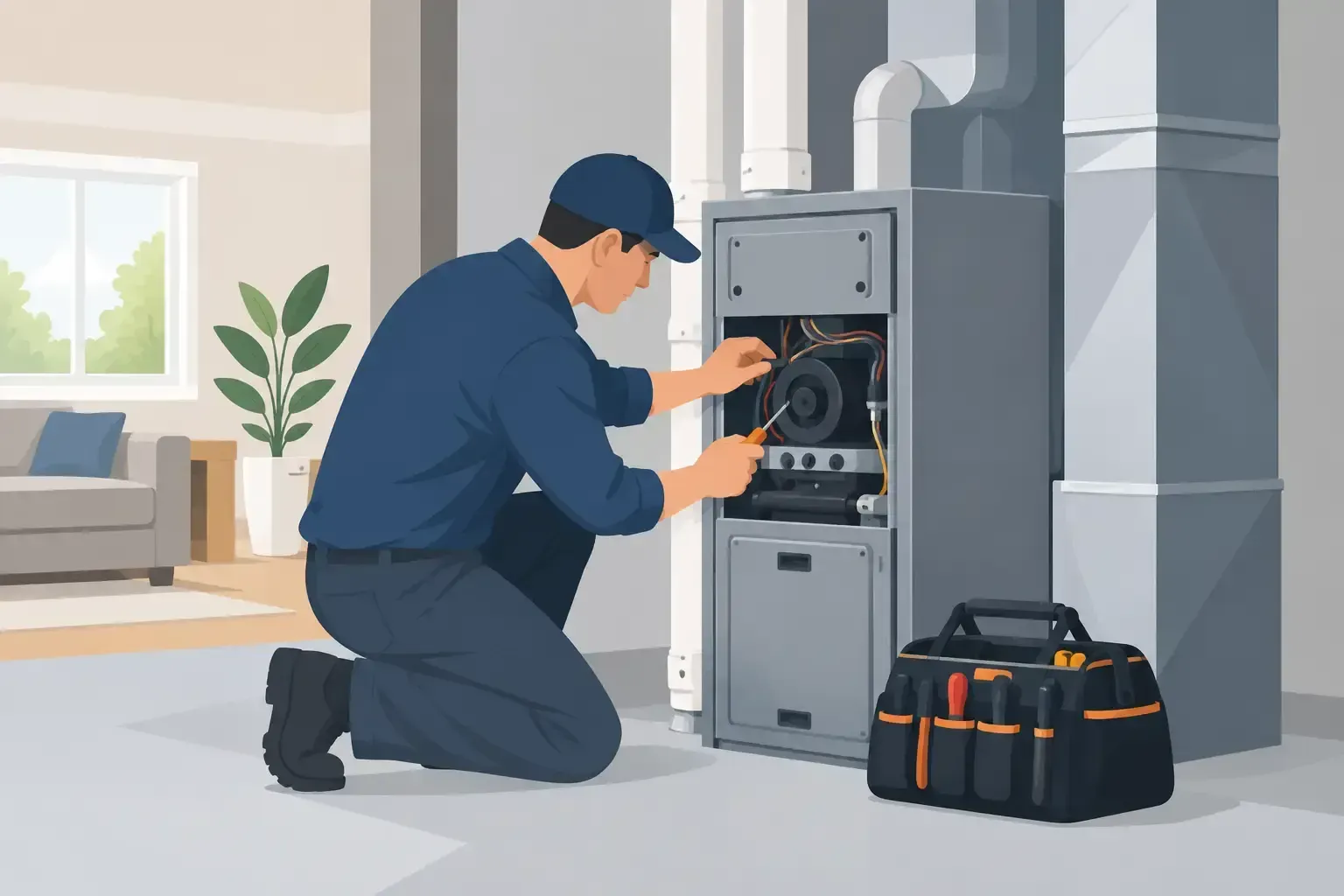
A furnace rarely picks a convenient time to fail. It usually happens on the first cold stretch of the season, when the system has been sitting idle for months and your household needs heat immediately. This guide to furnace maintenance for homeowners focuses on the practical work you can safely handle, the warning signs that deserve a professional visit, and the habits that help prevent a small issue from becoming a no-heat call.
For Boise-area homes, a dependable furnace is not just about comfort. It supports safe indoor temperatures, protects plumbing during freezing weather, and helps keep utility costs under control. A little routine attention goes a long way, but furnace maintenance also has limits. Gas connections, electrical components, combustion testing, and internal repairs are jobs for a qualified HVAC professional.
Start With the Tasks That Protect Airflow
Restricted airflow is one of the most common causes of furnace strain. When air cannot move freely through the system, the furnace has to work harder to deliver heat. That can increase energy use, create uneven temperatures, and in some cases cause the system to overheat and shut down.
The first place to look is the air filter. Check it monthly during heating season, especially if you have pets, allergies, recent remodeling dust, or a busy household. Replace a disposable filter when it looks dirty or according to the manufacturer’s guidance. Many homes need a new filter every one to three months, but the right schedule depends on the filter type and how much the system runs.
Do not assume a more restrictive filter is always better. High-efficiency filters can improve particle capture, but some systems are not designed for the added airflow resistance. If rooms are suddenly receiving less air after a filter change, ask an HVAC technician which filter rating is appropriate for your equipment.
Keep supply registers and return grilles open and clear of furniture, rugs, curtains, and storage. Closing several vents to force heat into another room often creates more problems than it solves. Your furnace and duct system were designed for a certain amount of air movement. If one area of the home is consistently cold, the cause may be duct leakage, insulation gaps, balancing needs, or an issue with the system itself.
A Homeowner’s Furnace Maintenance Routine
A quick visual check at the start of fall and periodically through winter can catch obvious problems early. Turn off power to the furnace before removing access panels, and do not disassemble parts you are not trained to service.
Look for these four basics:
- A clean filter installed in the correct direction, with the airflow arrow pointing toward the furnace.
- Clear space around the furnace, with no paint, gasoline, boxes, cleaning chemicals, or other combustible materials stored nearby.
- Unobstructed exterior intake and exhaust pipes on high-efficiency gas furnaces, free from leaves, snow, nests, or debris.
- A thermostat that responds correctly, has fresh batteries if applicable, and is set to heat at a reasonable temperature.
While the furnace is running, listen and look. Normal operation includes the sound of the blower starting and stopping, but repeated clicking, banging, rattling, scraping, or a loud new hum should not be ignored. Note when it happens and whether the heat still reaches every room. Specific observations help a technician diagnose the problem more efficiently.
For a high-efficiency furnace, also inspect the condensate drain line or pump area for visible leaks, standing water, or signs of blockage. Do not pour chemical drain cleaners into the system. A blocked condensate line can shut down the furnace, and the correct repair depends on the equipment design.
Why Annual Professional Service Is Worth Scheduling
Homeowner maintenance protects the system between service visits, but an annual tune-up covers checks that require training, instruments, and access to internal components. For most furnaces, early fall is the best time to schedule it, before the first sustained demand for heat. If you missed that window, service is still worthwhile during the heating season, provided the furnace is operating safely.
A qualified technician typically inspects the heat exchanger for concerns, verifies burner and ignition operation, checks electrical connections, tests safety controls, evaluates blower performance, and confirms that venting and combustion are operating properly. The exact scope varies by furnace type, age, condition, and manufacturer recommendations.
This is not just a matter of keeping the warranty paperwork tidy. A cracked heat exchanger, improper venting, faulty flame sensor, or failing ignition component may not be visible to a homeowner. Professional testing is especially important for gas furnaces because combustion and carbon monoxide safety are not areas for guesswork.
M Property Services can help homeowners who want one dependable point of contact for seasonal HVAC maintenance alongside other property care needs. Whether you manage a rental or maintain your own home, keeping service records and noting repairs can make future decisions clearer.
Pay Attention to Carbon Monoxide Safety
Every home with fuel-burning equipment should have working carbon monoxide alarms. Install them according to the manufacturer’s instructions and local requirements, commonly outside sleeping areas and on each level of the home. Test them regularly and replace batteries or the entire alarm as required by its manufacturer.
If a carbon monoxide alarm sounds, treat it as an emergency. Get everyone, including pets, outside to fresh air and call 911 or your local emergency services from a safe location. Do not re-enter the home until responders say it is safe. Do not try to diagnose or restart the furnace first.
Other signs that deserve prompt professional attention include a gas smell, soot around furnace components or vents, a yellow or irregular burner flame where a steady blue flame is expected, headaches or nausea that improve when you leave the house, or a furnace that repeatedly trips a safety switch. These symptoms do not always point to the same problem, but they should never be brushed off.
Small Changes That Reduce Furnace Work
Maintenance is only part of efficient heating. The condition of the house affects how hard the furnace must run. Start with simple measures: weatherstrip drafty exterior doors, seal obvious gaps around windows and utility penetrations, and make sure attic insulation is performing as intended. On sunny winter days, opening curtains on south-facing windows can add some warmth; closing them after dark can reduce heat loss.
Use a programmable or smart thermostat carefully. Lowering the temperature while the home is empty can reduce heating demand, but an aggressive setback may not be ideal for every household. Homes with poor insulation, older equipment, or residents who need steady temperatures may be better served by a modest adjustment rather than a large daily swing.
For vacant rental properties during freezing weather, keep the thermostat set high enough to protect pipes, even if nobody is staying there. The lowest safe setting depends on the home’s insulation, plumbing location, and outdoor temperatures. A local property professional can help identify higher-risk areas before winter arrives.
Know When a Repair Should Not Wait
Some furnace issues can wait for a scheduled appointment, such as a minor thermostat concern or a room that feels cooler than the rest of the house. Others call for quicker action. Arrange service promptly if the furnace blows cold air, cycles on and off every few minutes, trips the breaker, leaks water, makes sharp mechanical noises, or cannot maintain the thermostat setting.
Before calling, check the simple items: thermostat mode, filter condition, furnace switch, breaker, and any error code displayed on the unit. Resetting a breaker once may be reasonable if it has tripped, but do not repeatedly reset it. A breaker that trips again is signaling an electrical or equipment issue that needs diagnosis.
Avoid the temptation to keep restarting a furnace that locks out or shuts down. Safety controls are designed to stop operation when the system detects a problem. Repeated resets can mask the issue and may cause further damage.
A well-maintained furnace does not guarantee that a part will never fail, particularly as equipment ages. What it does provide is a better chance to catch wear early, preserve safe operation, and make repair decisions before the house is cold. Replace the filter, keep the area clear, schedule professional service, and respond quickly when the system tells you something has changed.