That diagnostic approach matters because heat pumps are more than outdoor air conditioners running backward. A part can be working well enough to avoid a complete shutdown while still causing high energy use and uneven comfort.
Eagle Backflow Testing Service You Can Count On
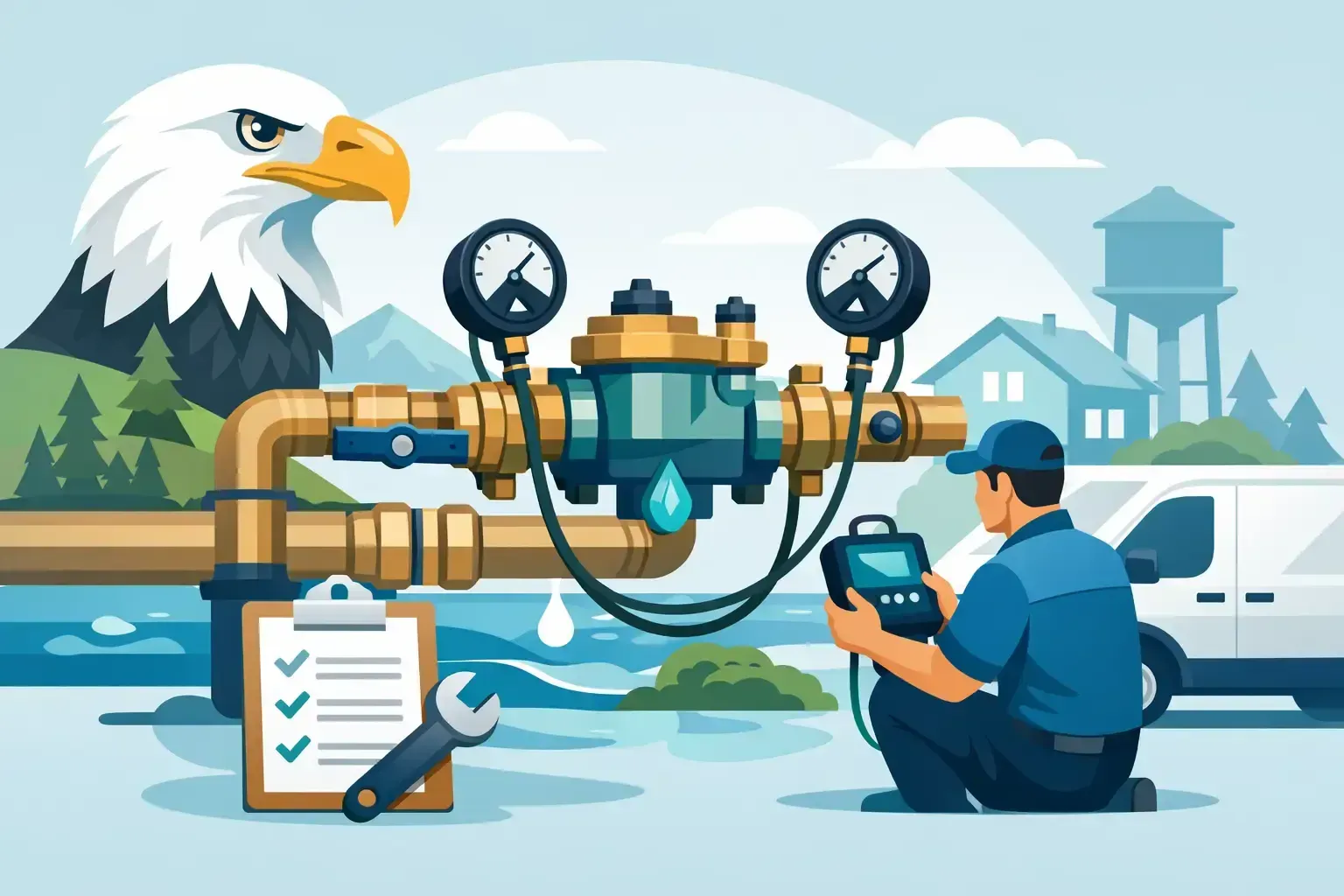
A sprinkler system should keep your lawn healthy, not create a risk to your drinking water. An Eagle backflow testing service helps confirm that the backflow prevention assembly on your irrigation system is working as intended before a small, hidden issue becomes a water-quality concern or a compliance problem.
For homeowners, landlords, and property managers, this is one of those services that is easy to put off because the device is often out of sight. But annual testing is typically required for irrigation systems connected to the public water supply, and a failed test can require prompt attention. The right technician makes the process clear, efficient, and properly documented.
What a Backflow Preventer Does
Your irrigation system is connected to a water source, but the water moving through sprinkler lines is not the same as the water coming from your kitchen faucet. Fertilizer, soil, lawn chemicals, standing water, and other contaminants can be present in irrigation piping.
A backflow prevention assembly is designed to stop that water from flowing in the wrong direction and entering the potable water supply. It creates a protective barrier between the irrigation system and the drinking water system.
That protection matters most when water pressure changes unexpectedly. A water main break, nearby construction, high water demand, or a sudden pressure drop can create conditions where water moves backward through a connection. A properly functioning backflow device helps prevent that cross-connection from becoming a health and safety issue.
Why Annual Backflow Testing Matters in Eagle
Backflow assemblies contain internal valves, springs, seals, and moving parts. Like any mechanical component exposed to water, weather, and seasonal use, they can wear out, stick, leak, or fail to seal correctly. You cannot reliably tell whether the device is working simply by looking at it.meowners commonly schedule service to add outlets where extension cords have become permanent, replace outdated switches, install ceiling fans, update interior or exterior lighting, or add dedicated circuits for appliances and equipment.
A certified tester uses specialized equipment to measure the assembly's performance under controlled conditions. The test verifies whether the device opens, closes, and holds pressure as required. It is a precise process, not a quick visual inspection.
Your water provider may require annual testing and may have specific deadlines or reporting procedures. Those requirements can vary by service area and property type, so it is wise to schedule early rather than waiting for a notice or a last-minute deadline. Early scheduling also gives you time to address a repair if the device does not pass.
For rental properties, staying ahead of testing helps avoid a preventable maintenance issue during the busy spring and summer season. For homeowners, it provides confidence that the irrigation system is protecting the water supply as designed.
What to Expect From an Eagle Backflow Testing Service
A professional appointment should be straightforward. The technician identifies the backflow assembly, inspects it for visible damage or leaks, and connects calibrated testing equipment. Water to the irrigation system may need to be briefly shut off or isolated while the assembly is tested.
The actual test is usually efficient when the assembly is accessible and in good condition. Accessibility makes a real difference. If the device is buried behind landscaping, blocked by stored items, frozen, damaged, or located inside a locked enclosure, additional time may be needed before testing can begin.
Once testing is complete, you should receive clear results. If the assembly passes, the record can be retained for your files and handled according to the applicable reporting process. If it fails, a dependable provider should explain what failed, what repair may be needed, and what the next step looks like. A failed test does not always mean the entire assembly needs replacement. Sometimes a repair kit, cleaning, adjustment, or replacement of a worn component is enough. The right answer depends on the device, its condition, and the nature of the failure.
Testing, Repairs, and Replacement Are Different Services
Backflow testing confirms performance on the day of the appointment. It does not repair a damaged assembly, replace aging parts, or correct installation issues. Keeping those services distinct helps homeowners understand the cost and avoid surprises.
If repairs are needed, ask for a clear explanation and a quote before work begins. Depending on the assembly and the issue, repairing the existing device may be the practical choice. Replacement may make more sense when the device is badly corroded, repeatedly failing, obsolete, improperly installed, or more costly to repair than replace.
Weather can also affect the decision. In the Boise area, hard freezes can damage exposed irrigation components. A cracked body, broken fittings, or freeze-related damage may not become obvious until water is turned back on. That is one reason spring startup, backflow testing, and sprinkler inspections often work well as part of a coordinated seasonal maintenance plan.
How to Prepare for Your Appointment
A little preparation helps the visit go smoothly. Make sure the technician can reach the backflow assembly and that gates, utility areas, or exterior access points are available. If the device is behind a locked fence, arrange access ahead of time.
Remove leaves, mulch, planters, or stored equipment that may cover the assembly. Do not attempt to disassemble it yourself or force stuck valves open. A backflow device is a code-sensitive component, and an incorrect adjustment can create a leak, damage the assembly, or affect test results.
If you have received a notice from your water provider, keep it available. It may include the assembly information, due date, or reporting instructions that help ensure the correct device is tested and documented.
Questions Worth Asking Before You Schedule
The lowest advertised price is not always the best value if it leaves out reporting, repair guidance, or clear documentation. Before choosing a provider, confirm that the technician is qualified to perform the required test and ask what is included in the service.
It also helps to know how failed assemblies are handled. Some providers only test, while others can diagnose related irrigation issues and provide repair options. Neither approach is automatically better. If your device is newer and accessible, testing alone may be all you need. If you manage several properties or want one point of contact for sprinkler, electrical, HVAC, and general property maintenance needs, broader service capability can save time and reduce coordination work.
M Property Services approaches backflow work with the same practical standard used across property maintenance: perform the work carefully, explain the findings plainly, and give customers a clear path forward when a repair is needed.
Common Signs You May Need More Than a Test
Annual testing is the normal starting point, but certain problems call for attention sooner. A visible leak around the assembly, persistent dripping from a relief valve, reduced sprinkler performance, cracked fittings, or water pooling near the device should not be ignored.
These symptoms do not always mean the backflow preventer itself has failed. A valve issue, damaged irrigation line, pressure problem, or winter damage could be involved. Still, they are good reasons to have a qualified professional inspect the system instead of guessing at the cause.
Keep the Work Timely and Documented
Backflow testing is a small service with a large purpose: protecting the community water supply while keeping your property in line with applicable requirements. Schedule before the deadline, provide easy access to the device, and address failed results before they become a larger repair or compliance issue.
If your irrigation system is due for testing, treat the appointment as a practical part of spring property care. A properly tested assembly gives you one less thing to worry about when it is time to turn the water on and enjoy the season.