Last Updated: November 2, 2026
Quick Summary
The most common rental property maintenance issues for landlords are plumbing problems like leaks, clogs, and running toilets, plus HVAC and water heater failures that trigger urgent tenant calls. Sorting every request into emergency, urgent, priority, or routine tiers helps you respond fast to habitability risks while batching minor fixes. Seasonal inspections and a preventive maintenance checklist catch small problems before they become expensive emergencies.
- Plumbing tops the list because water damage compounds by the hour, so treat reported moisture as urgent.
- Use a four-tier system: emergency same day, urgent within 24-48 hours, priority within 3-7 days, routine within one to two weeks.
- Document every request with a timestamp, the tenant's description, and your response to show you acted reasonably.
- Run seasonal inspections covering roof, gutters, HVAC, filters, smoke detectors, and pipe insulation.
- Call a licensed pro for electrical work, gas and furnace repairs, water heater replacement, and permit-tied repairs.
Table of Contents
- Why Rental Property Maintenance Issues Catch Landlords Off Guard
- Plumbing Problems: Leaks, Clogs, Toilets, and Sinks
- HVAC and Water Heater Failures That Drive Tenant Calls
- How to Prioritize Rental Maintenance Requests by Urgency
- The Landlord Maintenance Request Form That Prevents Disputes
- Your Rental Property Inspection Checklist for Every Season
- A Rental Property Preventive Maintenance Checklist That Saves Money
- When to Call a Licensed Pro for Rental Property Repairs
- Frequently Asked Questions
Why Rental Property Maintenance Issues Catch Landlords Off Guard
Most rental property maintenance problems don't announce themselves. They sit quietly behind a wall, under a sink, or inside an aging water heater until a tenant calls at the worst possible moment. Across the Treasure Valley, small rental maintenance issues often turn into expensive emergencies, and delayed maintenance typically costs far more than planned maintenance.
That's the core tension in rental property maintenance. Landlords want to protect cash flow, so they defer small fixes. Tenants want problems solved fast, so they report everything at once. The gap between those two instincts is where budgets blow up and relationships sour.
Below, we'll walk through common issues that generate tenant calls, how to rank them by urgency, and the checklists that help keep them from becoming emergencies. But first, here's what most guides get wrong: they list problems without telling you which ones to fix tonight and which can wait until Monday.
Plumbing Problems: Leaks, Clogs, Toilets, and Sinks
Plumbing tops the list because water damage compounds by the hour. A slow leak under a sink can rot a cabinet base before anyone notices. A running toilet can quietly waste water and drive up the utility bill.
The most common plumbing calls we see include:
- Dripping or burst supply lines
- Clogged drains in kitchens and bathrooms
- Running or leaking toilets
- Cracked sink basins and loose faucets
- Garbage disposal jams and leaks
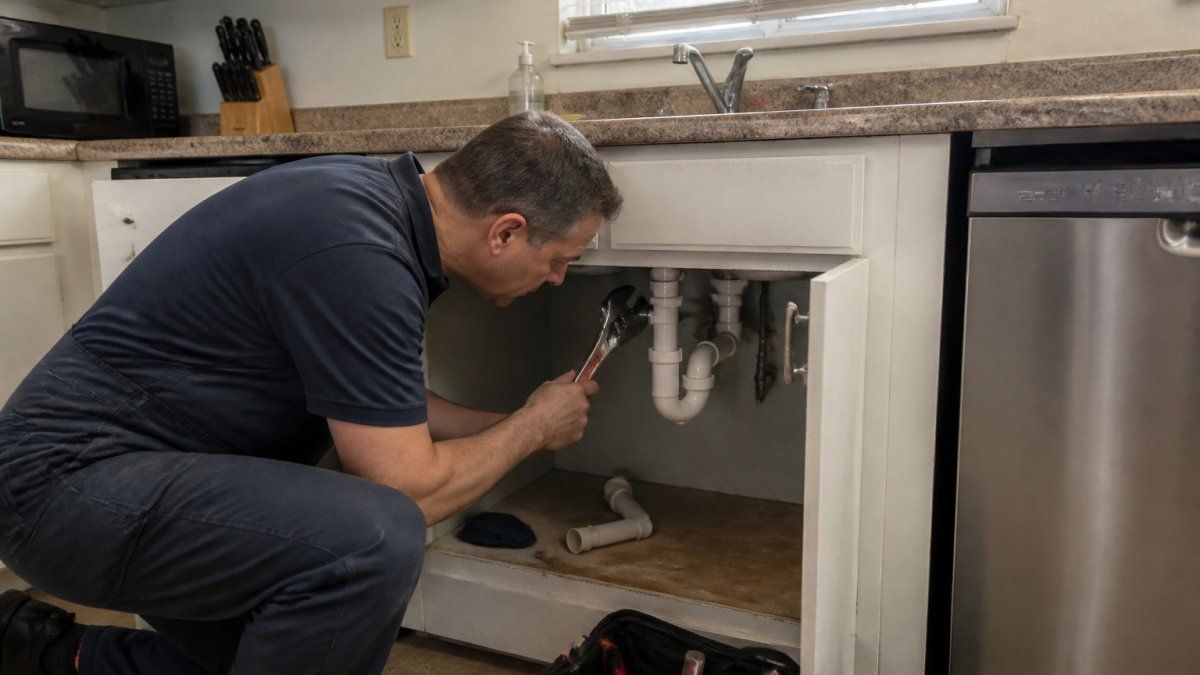
Watch out: ignoring a small leak because the tenant hasn't complained is one of the most common and costly mistakes. Water finds a path, and that path usually ends at drywall, flooring, or a downstairs ceiling. If a tenant reports moisture, treat it as urgent.
HVAC and Water Heater Failures That Drive Tenant Calls
Heating and cooling failures generate the angriest calls because they hit comfort and, in extreme temperatures, safety. A dead furnace in winter or a failed air conditioner in summer turns a routine week into an emergency.
The usual suspects:
- Furnace that won't ignite or short-cycles
- Air conditioning that blows warm air
- Clogged filters choking airflow
- Thermostat failures and mismatched settings
- Water heaters that leak, rumble, or stop producing hot water
Water heaters deserve their own attention. A tank that's rusting at the base or tripping the breaker is often closer to failure than it looks. Replacing a water heater on your schedule beats replacing one on a holiday weekend. Regular HVAC service also protects you from the surprise breakdowns that fill a tenant's call log.
How to Prioritize Rental Maintenance Requests by Urgency
Not every request deserves the same response time. Sorting by urgency protects your budget, keeps tenants safe, and, just as important, keeps you on the right side of habitability law. Landlords are generally expected to maintain a safe, sanitary, and habitable unit, and local rules vary on repair deadlines once written notice is given, so verify your local requirements before you set policy.
Use this four-tier system as a starting point, then adjust the response windows to match your local code and lease terms:
| Tier | Examples | Target Response | Why It Lands Here |
|---|---|---|---|
| Emergency | No heat in freezing weather, active water leak or flooding, sewage backup, no working locks, gas smell, no running water | Same day, often within hours | Immediate safety or habitability risk; delay can cause injury, property damage, or code violation |
| Urgent | Broken water heater, failed refrigerator, non-working toilet (only one in unit), electrical outlet failure | Within 24-48 hours | Habitability concern but not immediately dangerous; tenant cannot reasonably live without it |
| Priority | Slow leak, malfunctioning appliance with a workaround, pest sighting, damaged screen or window seal | Within 3-7 days | Will worsen if ignored but has a temporary mitigation |
| Routine | Dripping faucet, cosmetic damage, minor landscaping, squeaky door | Scheduled within one to two weeks | No safety or habitability impact; can be batched with other work |
Three rules keep this fair and defensible. First, safety and habitability always win, if a request could injure someone or make the unit unlivable, it jumps to the top regardless of tier. Second, document every request with a timestamp, the tenant's description, and your response, so you can show you acted reasonably if a dispute arises. Third, put your response-time commitments in the lease so tenants know what to expect and you have a written standard to point to.
For a fuller walkthrough of handling repair decisions, our landlord's guide to rental property repairs covers how to triage and follow through.
The Landlord Maintenance Request Form That Prevents Disputes
A written request form turns "he said, she said" into a clear record. It also helps you prioritize fast, because you get the details you need up front.
Build your form around these fields:
- Tenant name, unit, and contact info
- Date and time the issue started
- Location in the unit (room, fixture)
- Description of the problem
- Photos or short video attached
- Whether the tenant has attempted any fix
- Permission to enter and preferred times
- Priority as reported by the tenant
Keep it digital so requests are time-stamped and searchable. When a dispute arises over response time or damage, this log is your best defense.
Your Rental Property Inspection Checklist for Every Season
Inspections catch problems before tenants do. A seasonal walkthrough also gives you a paper trail showing you maintain the property.
Run this checklist each season:
- Spring: roof and gutters, exterior drainage, window seals, lawn and irrigation
- Summer: air conditioning performance, filters, exterior paint, pest signs
- Fall: furnace check, weatherstripping, smoke detector batteries, gutter clearing
- Winter: pipe insulation, heating function, snow and ice planning, draft checks
Photograph what you find and note the date. This is the difference between "we maintain this property" and being able to prove it. For a ready-to-use version, grab our full rental property preventive maintenance checklist.
A Rental Property Preventive Maintenance Checklist That Saves Money
Preventive maintenance is the cheapest repair you'll ever make. The goal is to spend small amounts on a schedule so you avoid large, unplanned bills. A modest annual maintenance reserve can help cover routine preventive work. The exact amount depends on the age and condition of your property, so build your reserve around your own repair history.
Work through this list on a recurring basis:
- Replace HVAC filters monthly during heavy use
- Test smoke and carbon monoxide detectors
- Flush the water heater annually
- Check under sinks for moisture
- Test garbage disposals and run water through unused drains
- Inspect door locks and deadbolts
- Clear dryer vents to reduce fire risk
- Check caulking around tubs and windows
- Look for signs of pests or mold
- Inspect the roof and gutters before and after storm season
- Test GFCI outlets and check for tripped breakers
- Walk the exterior for drainage, grading, and foundation cracks
A rental property preventive maintenance checklist works best when it lives on a calendar, not in a drawer. Set reminders and assign each task a season. Pair each task with a simple record: the date, who did the work, what they found, and any photos. That record becomes your defense if a tenant later claims a problem went unaddressed, and it helps you spot recurring issues, the same slow leak, the same clogged drain, before they become expensive.
For a ready-to-use version, grab our full rental property preventive maintenance checklist.
When to Call a Licensed Pro for Rental Property Repairs
Some jobs are fine for a handyperson; others need a licensed trade. Getting this line right protects you legally and keeps tenants safe.
Call a licensed professional for:
- Electrical work beyond swapping a bulb or outlet cover
- Gas line and furnace repairs
- Water heater replacement
- Any repair tied to permits or code
- Structural or roof work
- Backflow testing and other compliance tasks
Watch out: unlicensed repairs can void warranties, fail inspection, and create liability if someone gets hurt. A common mistake is hiring the cheapest bid for a job that requires a license. If you're unsure whether a small fix needs a pro, it's worth checking local licensing requirements before you hire. You can also see whether property maintenance companies handle small repairs.
Rental property maintenance rewards the landlord who plans ahead and responds fast. The eight issues above will show up eventually, and how you handle them decides whether they cost a little or a lot. M Property Services brings electrical, HVAC, handyman, and backflow testing work under one roof, so you have a single point of contact for multiple trades. We're licensed and certified across several trades, and we're a local, family-owned business. Get a quote from M Property Services and put one trusted team on your maintenance list.
Frequently Asked Questions
What are the most common rental property maintenance issues landlords face?
The issues that generate the most tenant calls are plumbing leaks and drain clogs, HVAC breakdowns, water heater failures, and appliance problems like garbage disposals and refrigerators. Roof leaks and weather damage follow, along with doors and locks that stop working and smoke detectors that need testing. Most of these are preventable with routine maintenance, and catching them early keeps small repairs from turning into property damage that affects habitability.
How should landlords prioritize rental maintenance requests?
Sort every request into three tiers. Emergency repairs come first: no heat, no water, sewage backups, gas smells, or anything threatening safety or habitability. Urgent requests like a leaking fixture or a broken lock get handled within a day or two. Routine items such as cosmetic fixes or a slow drain can be scheduled. Put this tiering in your lease so tenants know what qualifies as an emergency and how to report it.
How often should landlords inspect a rental property?
A practical schedule is a full inspection once or twice a year, plus a quick walkthrough at move-in and move-out. Add a seasonal maintenance pass before winter and before summer to check the heating system, air conditioning, roof, and exterior. Regular inspections catch delayed maintenance before it becomes a lease violation issue, and a written rental property inspection checklist keeps each visit consistent and documented.
Can landlords require tenants to handle minor maintenance?
Leases often assign small tasks to tenants, such as replacing light bulbs, furnace filters, or smoke detector batteries, and keeping the unit reasonably clean. Larger repairs and anything tied to habitability, plumbing, HVAC, or structural repairs stay with the landlord. Spell out the split in the lease and in your landlord maintenance request form so responsibilities are clear and tenants know how to report a problem that is not theirs to fix.