Can a Handyman Install Light Fixtures Safely?
October 2, 2026
A new light fixture can make a kitchen brighter, update an entryway, or finally replace that dated ceiling fan in a rental. But the question people search - “can handyman install light fixtures” - has a more careful answer than a simple yes or no. The right person for the job depends on what is already in the ceiling or wall, what the new fixture requires, and whether the electrical system can safely support it.
For a straightforward replacement, an experienced, qualified handyman may be able to help. When wiring needs to be added, a circuit is questionable, a fixture is heavy, or local electrical requirements apply, the work may call for a licensed electrical professional. The goal is not just getting the light to turn on. It is making sure it is mounted securely, wired correctly, and safe for years of daily use.
Can a Handyman Install Light Fixtures?
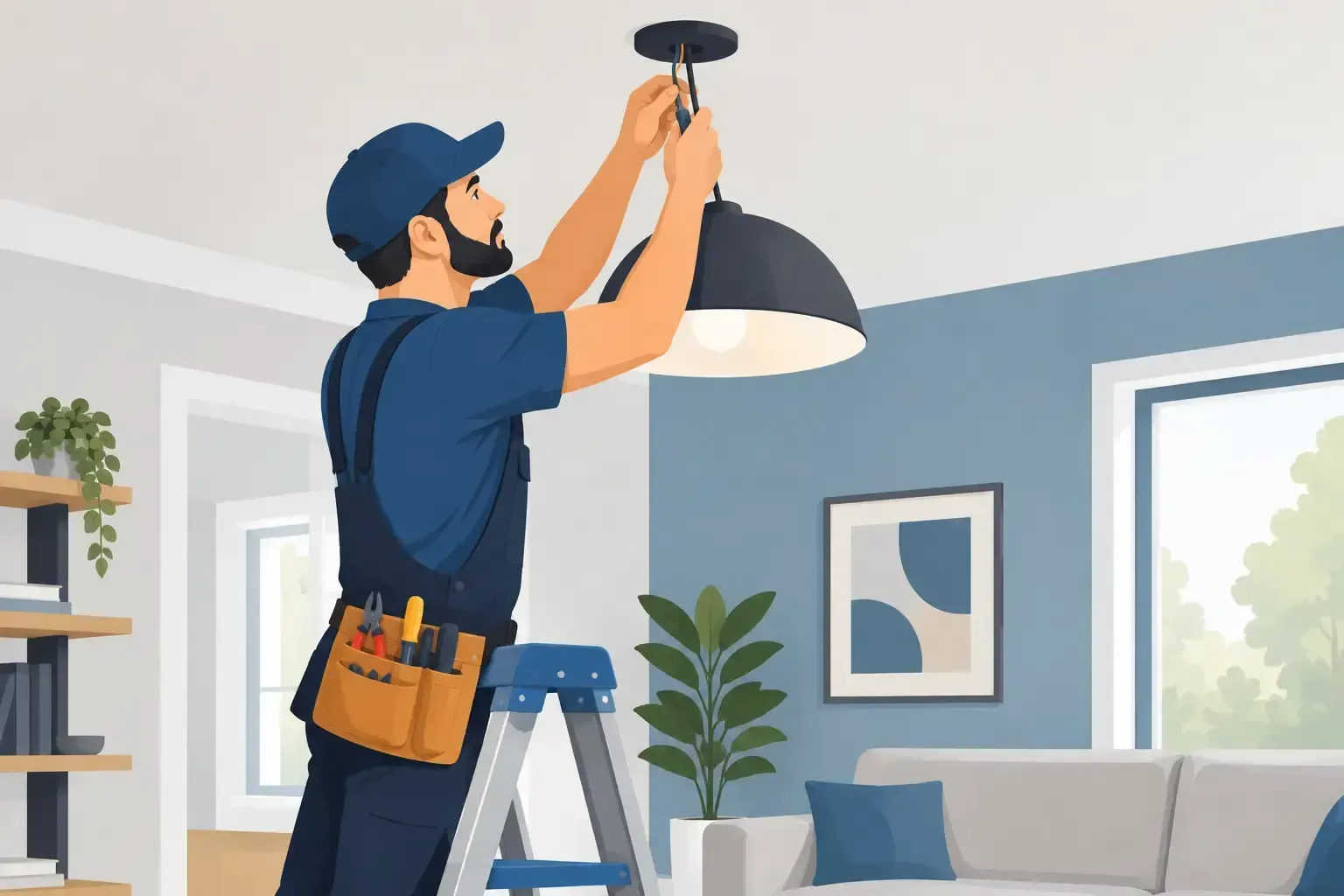
A handyman can often replace an existing light fixture when the electrical box, wiring, and switch are already in good condition. Examples include swapping a hallway ceiling light for a similar model, replacing a bathroom vanity light, or installing a new exterior fixture in the same location.
That said, “existing” does not automatically mean “simple.” Older homes may have aging wiring, loose connections, ungrounded boxes, or ceiling boxes that were never designed to carry the weight of a fan or large chandelier. A new fixture may also require a different mounting system than the old one.
The safest approach is to evaluate the job before scheduling it. A capable service provider should be comfortable explaining what is included, what they see at the fixture location, and when electrical work needs to be handled by a properly licensed professional. Homeowners should not have to guess whether a job is being done within the right scope.
When a Fixture Replacement Is Usually Straightforward
A replacement is generally less complicated when the new fixture uses the existing wiring and mounting location, the circuit is working properly, and the electrical box is firmly secured. The fixture should be compatible with the box and should not exceed its listed weight capacity.
Simple jobs can still require care. Power must be turned off and verified before anyone handles wires. Wire connections need secure connectors, the grounding path must be correct, and all wiring has to fit safely inside the box. The fixture must be attached to the approved mounting hardware, not just to drywall or a decorative ceiling cover.
Outdoor fixtures deserve extra attention because weather exposure changes the requirements. A porch light or garage light needs a weather-rated fixture where appropriate, a proper exterior box, and a sealed installation that keeps water away from the wiring. A light that works on installation day can become a problem later if moisture reaches the connections.
When You Need an Electrical Professional
Some light fixture projects are clearly beyond a basic replacement. In these situations, the work should be evaluated and completed by a qualified electrical professional with the right licensing for the job.
New wiring or a new fixture location
Adding a light where none exists means running cable, making connections, and often opening walls or ceilings. The same is true when moving a fixture across a room, relocating a wall sconce, or changing the layout of recessed lights. These changes can involve circuit capacity, wire sizing, box placement, and code requirements.
Ceiling fans and heavy fixtures
A ceiling fan creates movement and vibration, while a large chandelier creates significant hanging weight. Neither should be supported by a standard box unless that box is specifically rated and securely attached for the application. A fan that wobbles or a heavy fixture attached to inadequate framing is not a cosmetic issue. It is a safety concern.
Wiring that looks old or damaged
Brittle insulation, discolored wires, loose boxes, aluminum wiring, missing grounds, or repeated breaker trips are signs to pause the project. Replacing the visible fixture will not correct a problem behind it. A qualified electrician can identify the underlying issue and recommend the appropriate repair.
Bathrooms, kitchens, and other special locations
Areas near water often have additional requirements related to fixture ratings, clearances, and protection. Bathroom lighting, kitchen work, laundry spaces, and exterior installations should be planned with safety rules in mind, not treated as ordinary decorative upgrades.
Smart switches and dimming problems
A new LED fixture may flicker, hum, or fail to dim properly when paired with an older dimmer. Smart switches can require neutral wiring that may not be present in every switch box. These are common issues, but they are not solved by trial and error with live wiring.
What Homeowners Should Check Before Scheduling Service
A few details help determine the right scope and provide a more accurate quote. Start by identifying whether you are replacing an existing fixture or adding a new one. Take note of the fixture type, where it will be installed, and whether the existing light currently works reliably.
If possible, keep the new fixture packaging or installation instructions available. The fixture’s weight, mounting requirements, bulb type, and indoor or outdoor rating all matter. For ceiling fans, chandeliers, and pendant lights, measurements are useful as well. A fixture that looks right online may hang too low over a table, block a cabinet door, or be oversized for the room.
It also helps to consider access. A vaulted ceiling, stairwell, high exterior wall, or attic with limited clearance can make an otherwise basic installation more involved. Good planning prevents surprises and avoids a rushed decision once the work has started.
Safety Is More Than Turning Off the Switch
Turning off a wall switch does not guarantee that the wiring in a fixture box is safe to handle. The switch may control only one conductor, circuits can be mislabeled, and wiring configurations vary. Electrical work should begin with the correct breaker turned off and the circuit verified de-energized with appropriate testing equipment.
There are other risks that are easy to overlook. Overcrowding a box can damage wire insulation. Mixing incompatible components can create loose connections. Installing a fixture without a proper ground can leave a metal housing unsafe if a fault occurs. These details are why light fixture installation should be treated as electrical work, not simply as a decorating task.
A professional should also leave the installation neat and serviceable. That means no exposed conductors, no loose fixture canopy, no missing cover plates, and no wires pinched by screws or sharp edges. The fixture should operate correctly, sit level, and remain secure after normal use.
Choosing the Right Provider for the Job
When you call for light fixture installation, ask direct questions. Does the provider handle the type of electrical work your project requires? Are they licensed and insured as needed for the scope? Will they inspect the existing box and wiring before mounting the fixture? Can they explain what would change the original estimate?
Be cautious of anyone who promises to install any fixture without asking about its weight, location, condition of the existing wiring, or whether you are adding new wiring. An honest provider recognizes the difference between a routine swap and a job that requires a deeper electrical assessment.
For Boise-area homeowners and property managers, M Property Services offers the convenience of a multi-trade property care partner while keeping safety and code-conscious work at the center of the decision. That matters when a light fixture project reveals a broader issue, such as a damaged box, an outdated switch, or a maintenance need elsewhere in the home.
The Best Next Step for Your Fixture Project
If your new light is a like-for-like replacement on a sound existing box, the job may be quick and uncomplicated. If there is any question about wiring condition, box support, fixture weight, water exposure, or adding a new location, get the right qualified professional involved before the fixture goes up.
A light fixture should add comfort and value to your home, not introduce a hidden electrical risk. A brief assessment up front is often the simplest way to protect the property, the people in it, and the finished look you want.