Best HVAC Tune Up Benefits for Boise Homes
September 20, 2026
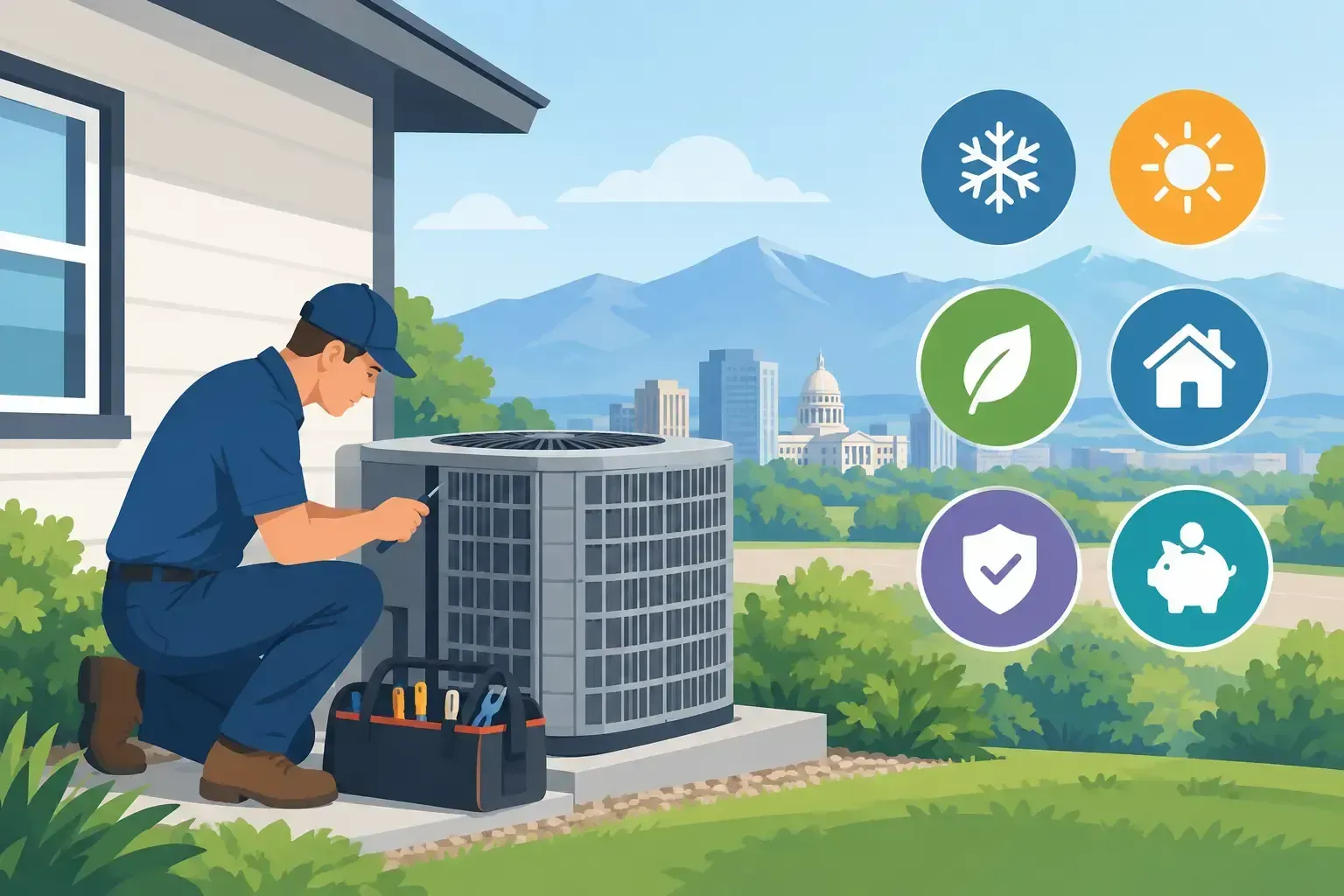
A Boise summer afternoon is a poor time to find out that your air conditioner has been working harder than it should. The same is true when a cold snap arrives and a furnace begins short-cycling, making odd noises, or failing to keep rooms comfortable. The best HVAC tune up benefits are not just about avoiding an inconvenient breakdown. They are about protecting a system that affects your comfort, utility costs, indoor air quality, and property budget year-round.
A professional tune-up gives a trained technician the chance to inspect, clean, test, and adjust key components before small issues become larger repairs. For homeowners, landlords, and property managers, that preventive approach is often simpler and more affordable than waiting for a no-heat or no-cooling call.
Best HVAC Tune Up Benefits: What You Actually Gain
An HVAC system is a group of mechanical and electrical parts that must work together under demanding conditions. Dust accumulates, electrical connections loosen, moving parts wear, and drains can clog. A tune-up addresses those routine concerns while giving you a clearer picture of your equipment's condition.
Lower energy use without sacrificing comfort
When airflow is restricted or components are not operating correctly, heating and cooling equipment has to run longer to reach the thermostat setting. A dirty blower assembly, clogged filter, weak capacitor, or outdoor condenser coated with debris can all reduce efficiency.
During a tune-up, a technician checks the system's operation and identifies conditions that make it work harder than necessary. Cleaning and proper adjustment can help the equipment deliver more consistent comfort with less wasted runtime. Savings vary by the age, condition, and type of system, so no honest contractor should promise a specific dollar amount. Still, correcting preventable efficiency problems is one of the most practical reasons to schedule maintenance.
Fewer surprise breakdowns
Many equipment failures start with warning signs that are easy to miss. A worn contactor, fraying wiring, weak capacitor, failing blower motor, or refrigerant concern may not stop the system immediately. Left unaddressed, though, it can lead to a shutdown when the equipment is under the greatest demand.
A tune-up cannot prevent every repair. Parts can fail unexpectedly, especially in older systems. What it can do is catch visible wear, abnormal readings, drainage problems, and operating issues early enough to plan a repair rather than react to an emergency.
That matters for rental properties as much as owner-occupied homes. A maintenance visit creates an opportunity to address a developing concern on your schedule, reducing disruption for tenants and helping property managers avoid urgent coordination after hours.
Longer equipment life
Replacing an HVAC system is a significant home expense. While regular service will not make equipment last forever, it can reduce avoidable stress on the parts that keep it running. Motors, compressors, electrical controls, burners, and coils all benefit when the system has proper airflow, clean components, and safe operating conditions.
Think of a tune-up as routine property care, not a guarantee against eventual replacement. Age, installation quality, equipment design, usage patterns, and past repair history all affect service life. But allowing a system to operate with dirty coils, poor airflow, or neglected electrical components can shorten its useful life unnecessarily.
More dependable comfort in every room
A system can technically be running while still doing a poor job. Maybe the upstairs bedrooms are too warm in summer, the living room feels drafty in winter, or the thermostat setting never seems to match how the house feels. Some of those concerns come from insulation, duct design, window exposure, or thermostat location. Others are related to HVAC performance.
A tune-up helps separate maintenance needs from larger system or home-performance issues. The technician can verify temperature operation, check airflow-related components, inspect filters, and look for obvious concerns affecting delivery. If a bigger repair or improvement is needed, you have useful information to make a decision instead of guessing.
Safety Checks Matter During Heating Season
For gas furnace owners, safety is a central benefit of seasonal maintenance. A furnace uses combustion, fuel connections, venting, electrical controls, and safety switches. These components need professional attention, particularly before heavy winter use.
A qualified HVAC technician may inspect the heat exchanger for visible concerns, test safety controls, examine the ignition system, verify venting where accessible, and look for signs of combustion-related problems. Carbon monoxide detectors should also be installed and maintained according to manufacturer instructions. They are an important household safety layer, but they do not replace furnace service.
Electrical checks matter for both furnaces and air conditioners. Loose connections, worn wire insulation, overheated components, and failing capacitors can create reliability and safety concerns. A technician should address findings clearly and explain what is urgent, what can be monitored, and what repair options are available.
What a Professional HVAC Tune-Up Usually Includes
The exact scope depends on whether the visit is for heating, cooling, or a heat pump system. It also depends on the equipment's condition and the service provider's maintenance checklist. A thorough visit commonly includes work such as:
- Inspecting accessible electrical connections, controls, and safety devices
- Checking the air filter and evaluating airflow concerns
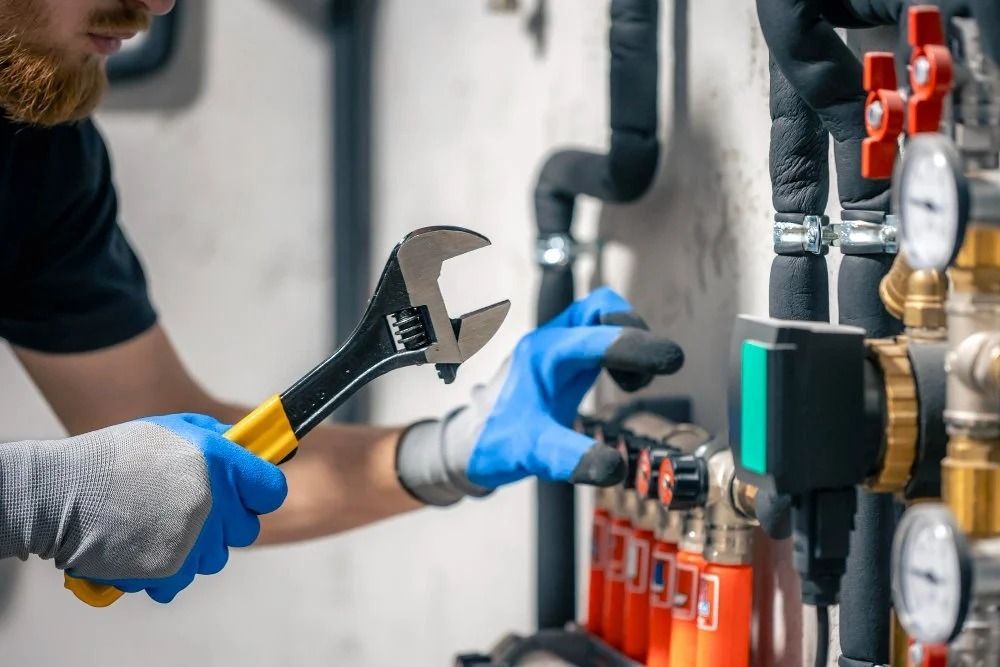
- Cleaning or inspecting coils, burners, blower components, and condensate drainage as appropriate
- Testing thermostat operation, startup, shutdown, and system performance
- Checking refrigerant-related operation on cooling equipment when needed
- Looking for leaks, unusual sounds, worn components, and signs of needed repair
This is why a low-priced "inspection" is not always the same as a true tune-up. Ask what is included, whether cleaning is part of the service, and how repair recommendations are documented. Clear scope and straightforward pricing help you compare services fairly.
When Should You Schedule HVAC Maintenance?
For most Boise-area homes, spring is a sensible time to prepare air conditioning before sustained hot weather. Early fall is a good window for furnace service before the heating season begins. Scheduling before peak demand also gives you more flexibility if a repair is recommended.
Heat pumps work through both heating and cooling seasons, so they may need maintenance attention twice a year or according to the manufacturer's guidance. Homes with pets, construction dust, heavy system use, or indoor air quality concerns may also need more frequent filter checks and cleaning.
Do not wait for the seasonal appointment if you notice burning odors that do not quickly clear, repeated breaker trips, water around indoor equipment, loud new noises, weak airflow, short cycling, or inconsistent temperatures. Those symptoms deserve a professional evaluation rather than another thermostat adjustment.
Tune-Up or Replacement: When Maintenance Is Not Enough
A tune-up is valuable even if your system is nearing the end of its life because it can help you understand its condition. But maintenance cannot correct every problem. Equipment that needs frequent major repairs, uses an obsolete refrigerant, has a cracked heat exchanger, or cannot maintain comfort despite proper service may warrant a replacement discussion.
The right choice depends on repair cost, equipment age, efficiency, warranty status, and your plans for the property. A dependable contractor should explain the findings without pressuring you toward a replacement that does not make financial sense. Sometimes a targeted repair and continued maintenance is the responsible answer. Other times, investing in new equipment avoids repeated disruption and rising repair costs.
For a local homeowner or property manager, consistency matters as much as technical skill. M Property Services approaches seasonal HVAC care with clear communication, practical recommendations, and attention to the details that protect your home.
The best time to schedule a tune-up is before your system has to prove itself on the hottest or coldest day of the year. Put it on the property maintenance calendar, replace filters as needed between visits, and address unusual changes early. That small amount of planning can keep a routine service visit from becoming an urgent repair call.